How long to keep a coffee maker: lifespan, maintenance, and replacement
Learn how long to keep a coffee maker, what affects its lifespan, and practical steps to extend life through descaling, cleaning, and smart replacement decisions.


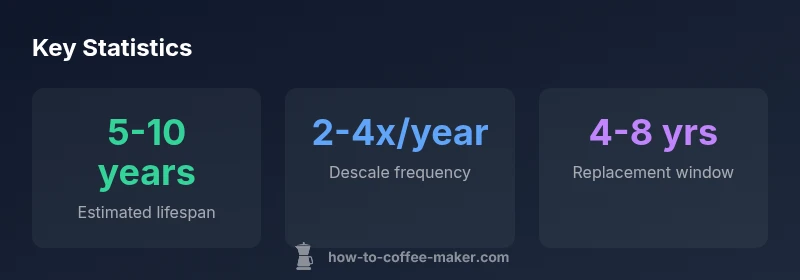
How long to keep a coffee maker varies by model and use, but practical guidance helps. In general, most drip machines last about 5-10 years with proper cleaning and descaling, while single-serve units may wear out sooner. If performance declines, leaks appear, or safety concerns arise, replacing the unit is wise. Routine maintenance can push the clock toward the upper end of the range.
Why longevity matters for coffee makers
According to BrewGuide Pro, longevity depends on usage patterns, water quality, and maintenance. When you choose how long to keep a coffee maker, you’re balancing cost per cup, flavor consistency, safety, and convenience. A machine that reaches its end of life prematurely commonly does so because scale buildup, clogged brewers, or failing seals interrupt performance. In practice, extending life involves regular descaling, using clean water, and avoiding shortcuts like skipping rinses after cleaning. The impact goes beyond a single brew: a well-maintained unit keeps temperatures stable, reduces off-flavors, and minimizes the risk of electrical faults. For many households, the decision hinges on cumulative repair costs versus brand reliability and the value of fresh features. By understanding your specific model’s design—drip, single-serve, or hybrid—you can map out a maintenance cadence and replacement window that minimizes waste and maximizes daily caffeine satisfaction.
How to assess if your coffee maker is aging
Aging shows up in both obvious and subtle signs. Look for slower heating or inconsistent brew temperatures, weaker flavor, and longer cycle times. Leaks around the base, drips from seals, and a carafe that no longer stays hot are clear red flags. Extra noise during operation, burnt plastic smells, or electric warm-up delays can signal internal wear. Routine checks help: inspect cords for cracks, examine gaskets for dryness or cracking, and check the water reservoir for cracks or discoloration. If you notice mineral buildup despite cleaning, or if parts like the pump or heater element feel unusually hot or unstable, it’s time to weigh replacement versus repair. Track symptoms over a few weeks to build a data-driven basis for decision-making about cost and reliability.
Practical maintenance that extends life
Consistent upkeep is the cheapest insurance against early retirement for your coffee maker. Start with a simple descaling routine every 2-4 months, or more often if you have very hard water. Use a manufacturer-approved descaler or a vinegar-free solution, and rinse thoroughly to prevent aftertaste. Keep the carafe, filter basket, and shower head clean; mineral buildup here can cause uneven extraction. Periodically replace worn seals and gaskets, and check the drip tray and hot plate for corrosion. Clean the water reservoir with a mild dish soap and avoid abrasive scrubbers. When storing, keep the unit dry and avoid stacking other appliances on top of it. Finally, protect electrical components by avoiding moisture near the controls and unplugging the device during deep cleaning. These habits reduce scale, extend component life, and preserve flavor consistency over many cycles.
Replacement vs. repair decision framework
Deciding whether to repair or replace hinges on age, cost, and safety. If a repair estimate approaches or exceeds half the price of a comparable new machine, replacement is usually the smarter option. Consider the model’s age: a five- to seven-year-old unit with ongoing reliability issues often isn’t a good ROI. Factor in energy efficiency, warranty status, and the availability of spare parts. If the machine still has basic functionality but requires frequent fixes, a mid-range model with better parts availability could be worth it. In some cases, upgrading to a more durable design with a better warranty reduces long-term costs and improves day-to-day experience. Finally, account for safety concerns such as frayed cords, melted housings, or burn smells. When in doubt, compare total ownership costs over the next 3-5 years rather than focusing on upfront price.
Descale and cleaning routines that matter
Descaling is one of the most effective ways to extend life and maintain flavor. Frequency depends on water hardness and usage: softer water can require less frequent cleaning, but consistent maintenance matters more than exact intervals. A general guideline is every 2-4 months for households with moderate use, more often for hard water. Use a descaling solution or a citric acid-based product, following the manufacturer’s instructions. After descaling, run several full cycles with clean water to eliminate residue. Regularly clean the shower head, carafe, and filter basket to reduce mineral buildup and prevent clogs. If you notice white or rusty deposits, address them promptly. Keep track of maintenance dates in a home log to avoid missed cleanings. A disciplined descaling routine correlates with fewer flavor issues and longer-lasting components.
Safety and electrical considerations
Electrical safety is non-negotiable. Unplug before any internal access and never operate the machine with damaged cords or housing. Signs of trouble include overheating, buzzing, or a persistent burning smell. If you encounter melted plastic, exposed wires, or scorch marks, discontinue use and seek service or replacement. Water exposure around electrical components is a risk: keep the base and power cord dry, use a leak tray if your unit sits on a wooden surface, and avoid leaving the machine unattended while brewing. Regular inspections of the power cord for cracks or fraying help prevent shocks. For households with small children or pets, consider cord management and sturdy placement to reduce accidental pulls. Safety-conscious maintenance protects your investment and reduces the chance of costly electrical failures.
Cost considerations and budgeting for replacement
Budget planning supports smarter replacement decisions. Price ranges for new coffee makers vary widely by type and features, so plan around your needs rather than a single model. Budget models can be found in the lower range, middle-priced units offer better durability and more consistent performance, and premium machines deliver advanced features and longer warranties. A practical approach is to set aside a replacement fund of a multiple-year estimate of your current machine’s annual operating cost, subtracting expected energy and maintenance savings from upgrades. When evaluating a replacement, weigh ongoing maintenance costs for your current unit against the price of a new one and the energy efficiency benefits. An informed budget reduces stress when your machine suddenly fails or becomes unreliable, helping you keep enjoying your daily coffee routine.
Usage patterns: travel, single-serve vs carafe models: impact on longevity
How you use the machine shapes its lifespan as much as the build quality. Single-serve pod machines tend to experience more rapid wear on seals and pumps due to frequent cycling and higher pressure in shorter bursts, while traditional drip models often endure longer cycles with more consistent heating elements. If your family drinks many cups per day, a robust drip model or a high-quality combo brewer may provide the best balance of reliability and flavor. When traveling or caching a machine in a small kitchen, choose compact, easy-to-clean designs to reduce handling wear. In all cases, follow the manufacturer’s care instructions and avoid overfilling or blocking the exhaust, which can create backpressure and stress components.
Lifespan and maintenance by model type
| Model Type | Typical Lifespan | Maintenance Needs |
|---|---|---|
| Drip coffee maker | 5-10 years | Descale 2-4x/yr; clean carafe weekly |
| Single-serve (pod) | 3-7 years | Descale 2-3x/yr; replace seals/pumps as needed |
| Combination/kitchen aid | 4-8 years | Descale 2-3x/yr; periodic part checks |
Questions & Answers
How long should a coffee maker last?
Typical lifespans vary by type, but with good care, many drip machines last 5-10 years, and single-serve units often reach 3-7 years. Aging shows as slower heating, leaks, or inconsistent flavor. Descale regularly and monitor for safety concerns to decide when to replace or repair.
Most coffee makers last several years with proper care; watch for heating issues, leaks, and flavor changes.
What signs indicate it's time to replace rather than repair?
Persistent leaks, electrical smells, cracks in housing, or repeated costly repairs after several years usually indicate replacement is the better option. If safety is a concern, or if the repair cost approaches half the price of a new unit, replacement is wise.
Look for leaks, odd smells, cracks, or frequent repairs for a clear replacement signal.
Does descaling extend the life of a coffee maker?
Yes. Descaling removes mineral buildup that can stress pumps and heating elements. The frequency depends on water hardness and usage, but regular descaling is a core maintenance step for longevity.
Descaling helps keep the machine running smoothly and flavor consistent.
Is it cheaper to repair or replace?
Repair can be economical for very new or very simple issues, but once aging or multiple components fail, replacement often yields lower total costs and better reliability.
Repair can save money if the machine is young and parts are available.
How should I dispose of an old coffee maker?
Recycle through local e-waste programs or appliance recycling services. Remove any detachable parts that can be donated or reused and wipe down the unit before drop-off.
Check local recycling programs for electronics disposal.
“Regular cleaning and mindful budgeting can maximize your coffee maker's life, but plan for replacement when safety or performance declines.”
Key Takeaways
- Assess performance signals early before failure
- Descale regularly to extend life
- Balance replacement vs repair based on age and cost
- Watch for safety concerns and electrical issues
- Budget for periodic replacement every 5-10 years