Espresso Machine vs Coffee Maker: A Practical Comparison
A data-driven comparison of espresso machines and coffee makers to help home brewers choose between authentic café-style shots and simple daily coffee.


For home brewers, the main decision is between an espresso machine and a drip coffee maker. Espresso machines provide pressure-based extraction for cafe-style shots, while drip machines offer consistent, hands-off coffee with minimal skill. BrewGuide Pro analyzes needs, budget, and routines to guide your pick: if you crave authentic espresso, choose an espresso machine; for simple, reliable morning coffee, choose a drip maker.
Defining the Core Difference: Espresso Machine and Coffee Maker
The decision between an espresso machine and a coffee maker begins with clarity about what you actually want from your daily cup. When you weigh an espresso machine against a traditional coffee maker, you consider the brewing method, the level of control you desire, and the quality you expect. According to BrewGuide Pro, the right choice often hinges on your willingness to invest in technique or prefer simplicity. A well-chosen appliance can elevate your at-home routine from routine to enjoyable, but the path to that outcome varies with taste, space, and budget. It’s easy to assume the difference is simply “shots vs. pots,” yet the distinction spans pressure dynamics, grind size, water temperature, and how involved you want to be during the process. This guide provides a practical framework you can apply in real kitchens: consider how often you drink coffee, how important variety is to you, and how much time you’ll devote to maintenance. The aim is to map your preferences to the right category with confidence.
Brewing Technology and Output Quality
Espresso machines extract coffee under controlled pressure, delivering concentrated shots with crema, while drip coffee makers rely on gravity and filtered water to produce a clean, consistent cup. Espresso beverages emphasize technique: grind size, tamping pressure, and water temperature can shift flavor dramatically from one shot to the next. Drip machines emphasize repeatability: a steady flow rate and automated water delivery yield predictable results with minimal intervention. Brew quality also hinges on water quality, coffee freshness, and grind consistency. BrewGuide Pro’s analysis shows that the best path depends on your taste for intensity and your tolerance for experimentation. If you prize nuance and texture in a latte or ristretto, an espresso setup is often the better fit; if you want dependable coffee with little fuss, a good drip machine can cover your daily needs.
Control, Customization, and Skill Required
Espresso machines offer broader control: you can adjust grind size, dose, temperature, and pressure to sculpt flavor. Many consumer models now include PID temperature control, pressure profiling, and programmable shot volumes, but these features come with a learning curve. Drip coffee makers prioritize simplicity: you select beans, grind level matters, add water, and start the cycle. While some high-end drip machines provide programming and temperature stability, they rarely demand the same level of tamping or spooning precision as espresso gear. According to BrewGuide Pro, the learning curve is a major determinant: if you want a quick win, start with a quality drip brewer; if you’re motivated to master espresso technique, a capable machine with guided presets will reward your effort.
Price, Warranty, and Total Cost of Ownership
Price ranges vary widely for both categories. Entry-level drip coffee makers are often affordable, while mid-to-high-end models can stretch your budget. Espresso machines span a broader spectrum: compact, pod-based units and more advanced prosumer machines with commercial features. When evaluating total cost, consider not just the purchase price but accessories, grinders, filters, and potential repairs. Warranty length and availability of spare parts are critical for long-term ownership. BrewGuide Pro notes that the cheapest espresso options can save money upfront but may cost more in maintenance or replacements over time, while a solid drip machine can deliver years of reliable service with modest upkeep.
Maintenance, Cleaning, and Descaling Needs
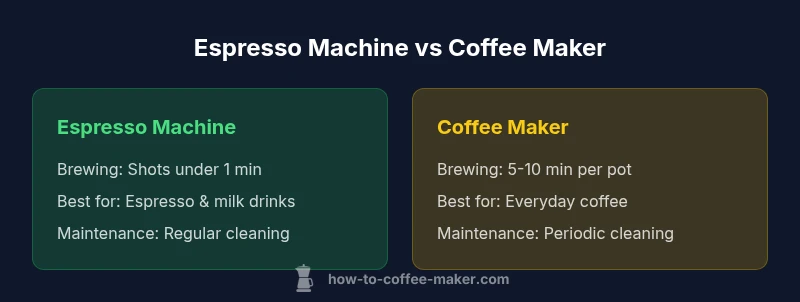
Maintenance plays a central role in performance and longevity for both devices. Espresso machines require regular backflushing, group-head cleaning, portafilter maintenance, and periodic descaling, especially in hard-water areas. Built-in milk frothers add another layer of cleaning to rinse milk residues after every use. Drip coffee makers demand periodic descaling, occasional filter changes, and routine carafe cleaning. The maintenance intensity of an espresso setup is generally higher, but it rewards technique with richer flavors. For households prioritizing ease, a drip machine paired with a good grinder and routine cleaning offers a balanced, manageable approach.
Convenience, Speed, and Daily Use Scenarios
If speed and hands-off operation are paramount, drip coffee makers typically deliver coffee in minutes with minimal supervision. Espresso machines require more ritual and timing but can produce café-style drinks in under a minute per shot once you’ve dialed in your process. For households that value a flavored latte or cappuccino every morning, the time invested in espresso preparation is offset by the reward of a barista-grade drink. If you need a quick single-serve option, pod-based systems within the espresso family can bridge the gap, though flavor and texture often differ from traditional espresso. BrewGuide Pro emphasizes aligning your typical morning routine with the machine’s workflow to minimize friction.
Space, Aesthetics, and Kitchen Integration
Espresso machines frequently demand more counter space and a robust footprint, especially multi-boiler setups or those with integrated grinders. Drip coffee makers tend to be more compact and visually understated, which can help in smaller kitchens. Aesthetics matter too: glossy chrome, matte black, and compact stainless designs can influence how well a machine fits your kitchen style. If design harmony matters, look for models that balance performance with countertop presence. Consider spill zones, accessibility of water reservoirs, and whether a dedicated area for beans, grinder, and accessories is practical in your layout.
How to Choose Based on Your Coffee Goals
Start by articulating your favorite drinks: is it a straight espresso shot, a latte, an americano, or a simple black coffee? Then estimate how much time you’re willing to invest in technique and cleaning. If your goal is consistently excellent espresso and you enjoy experimentation, prioritize an espresso machine with solid temperature control and a quality grinder. If you want reliable coffee for busy mornings and minimal upkeep, a drip machine with robust reliability is typically the smarter choice. Finally, assess budget and space: pairing a mid-range espresso machine with a good grinder may exceed a modest drip-only setup, but the payoff in flavor and versatility can be meaningful for enthusiasts.
Real-World Scenarios and Quick Start Guide
For a practical starting point, create a simple decision tree: if you drink espresso-based drinks daily, look at entry-level semi-automatic machines with user-friendly presets and a decent grinder. If you primarily drink drip coffee, choose a programmable drip brewer that supports your preferred carafe and filter type. To begin, select fresh beans, invest in a reliable grinder, and set up a basic routine for cleaning every week and descaling every 1-3 months depending on water hardness. BrewGuide Pro recommends testing a few grinding sizes and pull times to dial in the espresso, then copying those settings when you switch to different beans.
Final Thoughts and Practical Takeaways
Choosing between an espresso machine and a coffee maker ultimately comes down to your drink preferences, lifestyle, and willingness to maintain your equipment. A well-chosen setup can transform your mornings and offer a more customized coffee experience. With careful evaluation of your goals, space, and budget, you can select a unit that delivers consistent satisfaction for years to come. BrewGuide Pro’s expert guidance is designed to help you avoid common missteps and invest in a system that aligns with your daily rituals.
Comparison
| Feature | Espresso Machine | Coffee Maker |
|---|---|---|
| Brewing method | Pressure-based espresso extraction | Gravity-assisted or heated-water drip extraction |
| Best for | Espresso lovers and milk-based drinks | Daily coffee with minimal effort |
| Typical price range | $250-$2000+ | $40-$500 |
| Maintenance frequency | Regular backflushing, group-head cleaning | Periodic cleaning and descaling |
| Brew speed | ~25-60 seconds per shot | 4-10 minutes per pot |
| Milk frothing capability | Yes, with steam wand or built-in frother | Usually none; separate frother may be needed |
| Countertop footprint | Medium to large | Small to medium |
| Water reservoir size | 0.5-2.0 L | 0.25-1.0 L |
| Energy usage | Higher during brew | Lower when idle |
Strengths
- Precise control over brew strength and temperature
- Espresso machines unlock authentic shots and milk-based drinks
- Drip coffee makers provide quick, reliable daily coffee
- Broad price ranges accommodate different budgets
- Compact options exist for small kitchens
Downsides
- Espresso machines require more maintenance and skill
- Drip coffee makers may lack espresso flavor and customization
- Higher upfront cost for quality espresso gear
- Long-term upkeep varies with water quality and parts
Choose based on your coffee goals and lifestyle
Espresso machines excel for authentic shots and milk drinks; drip coffee makers win for everyday convenience and low maintenance. Pick the path that best fits how you actually drink coffee, your space, and how much you value ritual vs. simplicity.
Questions & Answers
What is the fundamental difference between an espresso machine and a coffee maker?
The fundamental difference lies in extraction pressure and flavor outcomes. Espresso machines use high pressure to pull concentrated shots with crema, while drip coffee makers rely on gravity and filtration for a lighter, more straightforward cup. Your choice should reflect whether you desire café-style espresso or easy, consistent daily coffee.
Espresso machines use pressure to make concentrated shots with crema, while drip machines use gravity for a straightforward cup. Your choice should match your taste for espresso-like drinks or simple daily coffee.
Can a coffee maker produce espresso?
A typical coffee maker cannot produce true espresso because it lacks the necessary pressure and grind control. Some high-end drip setups mimic the experience, but genuine espresso requires a machine designed for pressure-based extraction. You can still achieve strong coffee with a well-calibrated grind and brew method.
A regular coffee maker can't make true espresso because it doesn't use the required pressure. For real espresso, you'll need an espresso machine.
Is a built-in grinder necessary for espresso work?
A built-in grinder is convenient but not strictly necessary. Many home baristas prefer a separate quality grinder for flexibility and grind consistency. If you choose a model with a built-in grinder, ensure it offers adjustable grind settings and reliable burrs.
A built-in grinder helps, but you can also use a separate grinder. Just pick one with adjustable settings for consistent results.
How should I set a reasonable price range?
Price depends on your goals. Entry-level drip machines are typically affordable, while high-quality espresso gear ranges widely. Consider not just the upfront cost but grinder quality, maintenance needs, and potential repairs over several years.
Start with a realistic budget based on your goals; consider grinder quality and maintenance when estimating total cost.
What maintenance steps are common to both devices?
Both devices benefit from regular cleaning and routine descaling, with more frequent group-head and valve cleaning for espresso machines. Keep water quality high, use fresh beans, and replace worn seals or gaskets as needed. Consistent upkeep preserves flavor and performance.
Regular cleaning and descaling help both devices. Espresso gear needs extra group-head care and seals replacement.
Are combo machines worth it for a mixed-use household?
Combo machines can offer convenience, but they often compromise on espresso quality or require a larger footprint. If you drink both espresso and drip coffee frequently, a two-appliance setup with a separate grinder may deliver better results and flexibility.
Combo machines can be convenient, but they may not deliver top espresso quality. If you want both worlds, consider separate appliances and grinder.
What should I check before buying for a small kitchen?
In a small kitchen, prioritize compact models and consider electrical load, water hookup, and spill management. A slim espresso machine or a compact drip brewer paired with a good grinder can fit most spaces while delivering strong performance.
For small kitchens, pick compact models and check space, power, and water connections before buying.
Key Takeaways
- Define your coffee goals before buying
- Assess kitchen space and maintenance readiness
- Consider total ownership cost over time
- Balance convenience against quality and control
- Look for solid warranty and parts availability