What to Do with Old Coffee Maker: A Practical Guide
Discover practical, eco-friendly options for an old coffee maker—repair, donation, recycling, or repurposing—along with safety tips and local e-waste guidance.


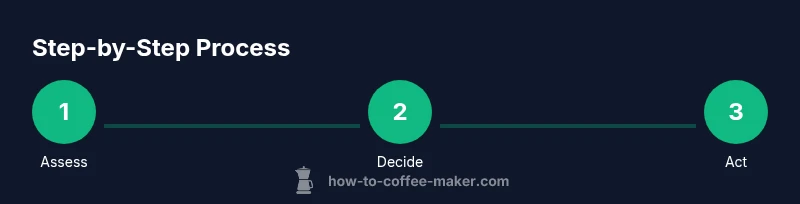
You will learn what to do with old coffee maker and how to retire it responsibly: assess its condition, decide whether to repair, donate, recycle, or repurpose, and follow local guidelines for e-waste. Tools and safety steps are included so you can handle unplugging, cleaning, and disposal confidently. This guide from BrewGuide Pro shows practical options, cost considerations, and how to avoid common mistakes.
Assessing Your Old Coffee Maker: Working vs. Not Working
According to BrewGuide Pro, start by safely assessing whether the unit still functions and whether repairs are cost-effective. Unplug the machine and inspect for visible damage: cracked housing, frayed cords, or burned smells indicate it should be retired from service. If there are no obvious hazards, perform a basic test: fill the reservoir with water, power on, and observe whether the heater engages and the brew cycle completes without leaking. If the brewer cycles poorly, the carafe won’t seal, or there are persistent odd noises, these red flags suggest it may be more economical to retire the unit than pursue risky repairs. The goal is to determine whether you can safely reuse parts, donate, or recycle, rather than press the device into service indefinitely. Document problems with photos and keep the model number handy for parts or disposal inquiries. Safety is the priority when liquids are near outlets or when cords show wear.
- Look for signs of life: light indicators, heat, and a proper brew.
- Note potential fixes that are easy to swap, like gaskets or seals, if the model supports replacement parts.
- If there are persistent leaks, electrical smells, or overheating, stop used testing and proceed to safe disposal or recycling.
Repair vs Replace: How to Decide
Deciding whether to repair or replace hinges on a few practical factors. Consider the age of the unit, the availability of replacement parts, and the efficiency of older electronics compared with newer models. If replacement parts are scarce or very costly relative to a new device, replacement may save time, energy, and ongoing maintenance. For models with straightforward part swaps (gaskets, seals, and simple switches) that still perform well, repair can be a reasonable choice. Energy efficiency is another factor: a newer machine may use less water and electricity, offsetting the cost of a new unit over time. If you’re unsure, obtain quotes for parts and a professional diagnosis, then weigh those against the cost of a new unit with similar features. This decision also affects whether you donate or recycle the old unit as-is. Remember to keep documentation handy for warranties or part compatibility checks.
- Compare ongoing maintenance needs vs. replacement cost.
- Check compatibility and availability of parts for your exact model.
- If repair is likely to be partial or patchy, plan for a complete replacement instead.
Donating, Selling, or Rehoming: Where to Start
If the unit still holds value or can be safely used by someone else, explore donation or resale options first. Many charities and community organizations accept small appliances in working condition, but always call ahead to confirm acceptance and delivery requirements. If you want to recoup some value, consider listing the machine locally with clear photos, noting any functional quirks and the model number. Include a minimal cleaning to improve appeal, but avoid making exaggerated claims about performance. For items that are beyond repair, many people will still appreciate components like glass carafes or replacement lids, so consider offering parts separately. When donating or selling, provide any original manuals or accessories that improve the unit’s usefulness. By taking these steps, you extend the life of a usable machine and keep it out of landfills.
- Contact local charities to confirm appliance acceptance.
- Document any issues honestly to reduce buyer or donor disappointment.
- Gather original accessories for better resale or donation value.
Recycling and Safe Disposal: Local Rules and Programs
Electronic waste has special rules in many communities, so recycling or safe disposal should be your default option when the unit is nonfunctional or irreparably damaged. Start by locating an approved electronics recycling program or a municipal e-waste event. Many retailers and municipalities offer take-back programs for small appliances, often requiring that items be emptied of water and cleaned. Before recycling, unplug the machine, drain any remaining water, and remove removable parts that are easier to recycle separately, such as glass carafes or plastic lids, when allowed. Never place electrical appliances in regular trash if your local rules prohibit it; improper disposal can harm the environment and violate regulations. Always follow the specific disposal instructions from your local authority. If the device contains a detachable power cord, consider reusing or recycling that cord separately if permitted.
- Search for certified e-waste recyclers in your area.
- Prepare the unit by cleaning and draining fluids before drop-off.
- Bring model number details to ensure correct routing for recycling.
Creative Reuse Ideas: Upcycling Your Old Coffee Maker
Even when a machine cannot brew coffee anymore, some of its components can find new life in other projects. The glass carafe can become a plant holder or a decorative jar, while the warming plate can be repurposed as a small decorative warmer or craft station. The metal housing may be repurposed for light DIY projects or upcycled storage in a garage. If the unit is damaged beyond reuse, salvageable parts can be sourced by hobbyists or makers who enjoy refurbishing devices. Always ensure that any repurposing is safe and does not expose you to hot surfaces or electrical components accidentally. Document your repurposing ideas and take safety precautions, especially with heat-related elements and sharp edges. Upcycling reduces waste and can spark creativity in your home.
- Start with simple, non-electrical repurposes for carafes and lids.
- Use the heating plate for non-powered warmth or craft storage projects.
- Share upcycling ideas with local DIY groups for additional inspiration.
Common Mistakes to Avoid: Safety and Compliance
Avoid common mistakes that can create hazards or inefficiencies. Do not attempt to disassemble electrical components without proper training, especially near live wiring. Do not pour leftover coffee or water down the drain if your plumbing or local sewer system has restrictions; residue can clog pipes or violate disposal guidelines. Avoid assuming that a nonworking unit is worthless; even broken appliances can yield useful parts for repair enthusiasts. Do not ignore local disposal rules or skip e-waste options, as improper disposal can harm the environment and lead to penalties. Finally, never store damaged units indoors in a high-traffic living area where curious children or pets could interact with sharp edges or hot surfaces. Following local guidelines and safety practices helps you dispose of the old coffee maker responsibly while protecting your home and community.
Quick Start Checklist: A Ready-to-Use Action Plan
- Safety first: unplug, drain, and assess for hazards.
- Document model and issues with clear photos.
- Decide if repair is feasible or if disposal is needed.
- If donating, contact organizations and prepare the unit for drop-off.
- If recycling, locate an approved e-waste facility and follow their instructions.
- Consider upcycling ideas for parts that remain usable.
Tools & Materials
- Screwdriver set (Phillips and flathead)(Phillips head #2 and a small flathead; useful for removing panels)
- Pliers (needle-nose preferred)(For handling small components and wires safely)
- Gloves (work gloves) or disposable gloves(Protect hands from sharp edges and hot surfaces)
- Safety glasses(Eye protection for any disassembly or prying tasks)
- Soft cloths or towels(Clean surfaces and wipe away residue)
- Bucket or container(Catch any standing water from the reservoir)
- Plastic bags or sealable containers(Store small parts or components for donation/ recycling preparation)
- Trash bags and labeling materials(Contain waste and keep track of parts for disposal)
- Access to a computer or smartphone(Look up local e-waste programs and donation options)
Steps
Estimated time: 30-60 minutes
- 1
Inspect safety and condition
Unplug the unit and visually inspect for damage such as frayed cords, exposed wiring, or cracked housings. Look for signs of overheating like melted plastic or a burnt smell. If anything seems risky, stop and prioritize disposal or professional evaluation.
Tip: Document any issues with photos for repair quotes or disposal inquiries. - 2
Drain water and clean surfaces
Pour out any remaining water from the reservoir and wipe the interior with a damp cloth. Remove detachable parts that can be safely cleaned, such as the carafe lid and filter basket. Dry everything thoroughly before moving to a new path (donation, recycling, or reuse).
Tip: Avoid mixing cleaning residues with drain paths unless permitted by local rules. - 3
Assess repair viability
Check if essential parts are available for your model and whether a repair would improve efficiency or lifespan. Contact a repair technician or search for compatible replacement components online. If parts are scarce or the cost is high, prioritize replacement or disposal.
Tip: Keep the model number and any serial numbers handy when requesting parts. - 4
Choose a disposal path
If the unit is nonfunctional, identify an approved e-waste recycler or a local take-back program. If the machine still works, consider donating or selling it locally for others to reuse. Gather manuals and accessories to improve donor or buyer interest.
Tip: Call ahead to confirm acceptance and any packaging requirements. - 5
Prepare for recycling or donation
Disassemble only what you can do safely and according to local guidelines. Separate any removable components that are accepted by recyclers or donors. Place them in labeled containers and keep everything organized to streamline drop-off.
Tip: Do not tear into large electrical modules if you lack proper safety training. - 6
Execute upcycling ideas (optional)
If you enjoy DIY, repurpose the carafe as a plant vase or storage container and reuse the warming plate for craft projects. Ensure all repurposed items are cleaned and do not pose a hazard. Share your projects with a local makers group for feedback.
Tip: Always test final uses for heat safety and avoid creating direct contact with hot surfaces. - 7
Locate local resources
Use local government and charity websites to find drop-off points, recycling events, or take-back programs. Keep a note of the addresses and operating hours. This makes future disposal easier and reduces environmental impact.
Tip: Bookmark trusted sources or add a reminder for recycling events in your calendar.
Questions & Answers
What should I do first with an old coffee maker?
First unplug the unit and assess its safety. Note visible damage and determine if it can be repaired or should be recycled or donated.
First unplug the unit and assess its safety, noting any obvious damage.
Is it safe to disassemble a coffee maker at home?
Disassembly can be risky due to electrical components. If you are unsure, avoid opening the device and use-certified disposal or repair channels.
Disassembly can be dangerous; if you're unsure, don’t do it yourself.
How do I know if it can be donated?
Many charities accept working or gently used appliances. Contact local organizations to confirm acceptance and any preparation steps.
Check with local charities to see if they accept the appliance.
Where can I recycle an old coffee maker?
Look for certified e-waste recyclers or local take-back programs; many municipalities offer drop-off events for small appliances.
Use certified e-waste programs or recycling events in your area.
What parts can be salvaged for upcycling?
Glass carafes, lids, and even the warming plate can inspire DIY projects; separate only safe components for reuse.
Carafe and lids are great for DIY projects, if safe to handle.
Are there safety concerns I should know?
Always unplug and drain fluids first. Keep water away from electrical parts and wear gloves when handling sharp edges.
Unplug first and avoid water near electricity.
Key Takeaways
- Assess condition before choosing a path.
- Donating or recycling reduces waste.
- Use certified e-waste programs for disposal.
- Safely repurpose parts when possible.
- Document details for smooth processing.