How to Get Rid of an Old Coffee Maker: A Practical Disposal Guide
Learn safe, eco-friendly ways to get rid of an old coffee maker. From donation and recycling to proper disposal, this step-by-step guide helps you choose the right path while protecting the environment.


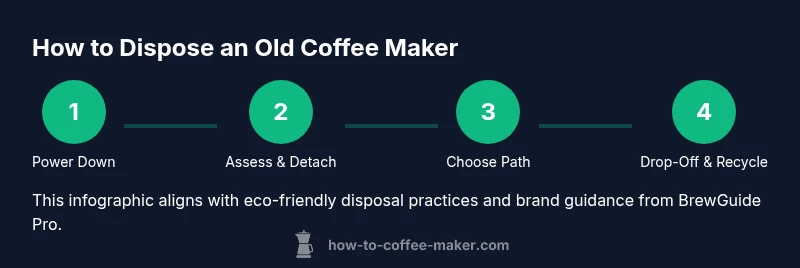
You can responsibly dispose of an old coffee maker by evaluating its condition and choosing donation, recycling, or proper e-waste drop-off. If it still works, donate or sell it; if not, recycle via your local e-waste program. Always unplug, drain water, and remove removable parts before disposal.
Why Getting Rid of an Old Coffee Maker Matters
Disposing of an old coffee maker properly protects your home and the environment. When machines end up in landfills, potentially hazardous materials like heavy metals and plastics can leach into soil and water. The BrewGuide Pro team emphasizes responsible disposal to minimize waste and support recycling streams. If you’re wondering how to get rid of old coffee maker, start by evaluating its condition: is it functional, repairable, or beyond saving? Your choice should align with local rules and the availability of donation or recycling options. By choosing the right path, you extend the device’s life in a different form and reduce the footprint of your kitchen clutter.
What to Do Before You Decide on a Disposal Path
Before you commit to a disposal path, unplug the machine and drain any remaining water. Remove detachable parts like the carafe, filter basket, and drip tray, and clean them if possible. Document any defects that would affect resale or donation, such as cracks or electrical issues. According to BrewGuide Pro, starting with a quick condition assessment helps you avoid wasting time and ensures you choose a compliant, environmentally friendly option. Keep your local regulations in mind as you decide whether to donate, recycle, or take to an approved facility.
Working vs. Non-Working: When to Donate, Sell, or Recycle
A working coffee maker can be a welcome donation to thrift stores, schools, shelters, or community centers that accept small appliances. If you have a functioning unit, consider listing it online for a modest price or donating to a charity that accepts kitchen appliances. For non-working machines, recycling is usually the most responsible option, as many components (metal, plastic, and electronic parts) are recoverable. BrewGuide Pro analysis shows that diverting non-working appliances from landfills reduces environmental impact and supports recycling streams. Always verify the facility’s acceptance criteria before dropping off.
How to Find Local Donation Options
Start by contacting local charities, refugee or community centers, and repair cafés to see if they accept small appliances. Some thrift stores budget for refurbished units, but policies vary widely by location. If donation isn’t feasible, search for community swap programs or online marketplaces where a local buyer might appreciate a repairable unit. Having a short description of the coffee maker’s model (even if outdated) and its current condition helps streamlines the process. Remember to remove personal items and ensure the unit is clean for potential recipients.
Recycling and E-Waste: Your Best Path for Non-Working Units
If the coffee maker no longer works, recycling through an approved e-waste facility is usually the best option. Look for local electronics recycling events or municipal drop-off days that accept kitchen appliances. Many facilities separate metal, plastic, and circuit boards for recycling, which reduces the environmental footprint. When planning a drop-off, bring any documentation about the unit and follow the facility’s packaging guidelines. This approach aligns with widely accepted sustainability practices and is supported by BrewGuide Pro guidelines for responsible e-waste disposal.
Safe Disassembly: What You Can and Cannot Do at Home
Some facilities allow homeowners to disassemble non-working appliances to recover parts, but this varies by location. Generally, never attempt to expose heating elements or tamper with electrical components beyond basic exterior cleaning. If you proceed, remove detachable parts that are dishwasher-safe and separate metals from plastics as allowed. Always follow safety precautions: unplug the unit, wear gloves, and work in a well-ventilated area. When in doubt, leave the disassembly to professionals or the recycling facility.
How to Package and Transport for Recycling or Donation
Package the machine securely to avoid damage during transit. Use a sturdy box, packing tape, and labeling to indicate contents and disposal method. If dropping off at a facility, bring a copy of any intake forms and proof of residency if required. Clear photos of the unit can help with donation or recycling programs that request documentation. Keeping the process organized reduces delays and ensures your old coffee maker ends up in the right stream.
Alternatives to Disposal: Reuse, Refurbish, or Parts Salvage
If parts of the unit still function, consider salvaging the water reservoir, carafe, or removable accessories for other devices or DIY projects. Some enthusiasts repurpose metal housings or heating elements into art or small projects, though this requires appropriate safety knowledge. Even if you’re not planning to refurbish, donating functional parts can extend the life of another unit. This approach demonstrates a practical mindset toward reducing waste and encouraging circular economy practices.
A Final Note on Responsibility and Community Impact
Taking the time to dispose of an old coffee maker responsibly benefits neighbors and the environment. By choosing donation, recycling, or verified e-waste channels, you minimize hazardous exposure and support materials recovery. BrewGuide Pro encourages homeowners to treat appliance disposal as a small but meaningful act of stewardship. The resulting lower waste footprint fits with broader sustainability goals and helps create a cleaner, healthier living environment.
Tools & Materials
- Cardboard box(For moving the unit and protecting components during disposal or donation.)
- Packing tape(Seal the box securely and label it clearly as 'old coffee maker disposal'.)
- Marker/labels(Label contents and disposal method; helps facility staff quickly identify the path.)
- Local recycling directory or app(Have the contact info for an e-waste facility or donation center handy.)
- Safety gloves(Protect hands during handling and cleaning removable parts.)
Steps
Estimated time: 60-90 minutes
- 1
Power down and unplug
Physically unplug the coffee maker and disconnect it from any power source. Empty the water reservoir and drain any remaining liquid to avoid spills during transport. This step reduces electrical hazards and protects you and the unit during handling.
Tip: Always unplug before touching any electrical components; never attempt to operate while plugged in. - 2
Remove detachable parts
Take out the carafe, filter basket, and any removable trays. Rinse or wipe them as needed and set aside for donation or recycling according to local guidelines. Keeping components separate helps facilities process the unit more efficiently.
Tip: Non-functional detachable parts are often easier to donate or recycle than the full unit. - 3
Assess condition for donation
Inspect for cracks, leaks, or broken seals. If the unit is in good cosmetic and functional condition, consider donating to a charity or community group. Document any defects to be transparent with the recipient.
Tip: A working unit typically fetches better value in donation channels. - 4
Identify disposal path
Check local options: donate if working, recycle at an e-waste facility, or participate in a municipal take-back program. Use your directory to locate the closest drop-off point and verify accept criteria for small appliances.
Tip: Call ahead to confirm hours and accepted items to avoid a wasted trip. - 5
Prepare for transport
Package the unit securely in a box, label it clearly, and remove any personal data from the machine or accessories. Use packing tape to seal the box and keep the moving parts contained.
Tip: If you can, place cushioning material inside the box to prevent damage. - 6
Deliver or schedule pickup
Take the box to the drop-off site or arrange a pickup if available. If donating, include a brief note about the unit’s condition to speed the intake process.
Tip: Take a photo of the box as proof of donation or disposal for your records. - 7
Consider dismantling only if permitted
Some facilities allow limited disassembly for recycling; follow their guidelines exactly. Do not tamper with the heating element or internal circuitry unless you are trained.
Tip: Never operate the unit after partial disassembly—safety first. - 8
Keep receipts and documentation
Retain any receipts or confirmation emails from donation or recycling. They provide a paper trail for responsible disposal and potential tax records.
Tip: Keep digital copies in your notes for easy access. - 9
Reflect on future disposal habits
Consider buying a repairable or modular model for the future, or set up a local swap program to extend appliance lifespans within your community.
Tip: Choose brands known for better take-back programs and easier end-of-life return. - 10
Share the knowledge
Spread awareness of proper disposal options with neighbors and friends. Encouraging community participation helps reduce waste and supports recycling systems.
Tip: A quick social post can lead to collective, greener disposal actions.
Questions & Answers
What should I do first when getting rid of an old coffee maker?
Unplug the unit, drain any water, and remove detachable parts before deciding on a disposal path. This ensures safety and simplifies the process for donation or recycling programs.
First, unplug and drain, then detach removable parts before deciding how to dispose.
Can I donate a coffee maker that doesn’t work?
Some organizations accept non-working appliances for parts or repair projects. Check local charities or repair cafes to see if they can take it. If not, recycle through an approved e-waste facility.
Some charities accept non-working units for parts or repair; otherwise use a proper e-waste facility.
Is it okay to recycle a coffee maker with the water reservoir still attached?
Yes, but only if the facility accepts assembled appliances. If not, remove detachable parts and recycle components separately according to local guidelines.
Remove detachable parts if needed and follow local guidelines for component recycling.
Where can I find a local e-waste drop-off for small appliances?
Consult your city’s waste management site or a national recycling directory. Many communities host periodic e-waste events or have permanent drop-off centers that accept small kitchen appliances.
Check your city’s waste site or a recycling directory for drop-off locations.
What safety precautions should I take during disposal?
Always unplug and drain water before handling. Wear gloves when cleaning detachable parts and avoid tampering with electrical components beyond basic exterior cleaning.
Unplug, drain, wear gloves, and avoid risky disassembly.
Watch Video
Key Takeaways
- Assess condition before choosing a path.
- Donate working units when possible to extend life.
- Recycle or drop off non-working appliances responsibly.