How to Know If Your Coffee Machine Needs Descaling
Learn how to tell when your coffee machine needs descaling with practical signs, safe methods, and a step-by-step guide to restore flavor and performance.


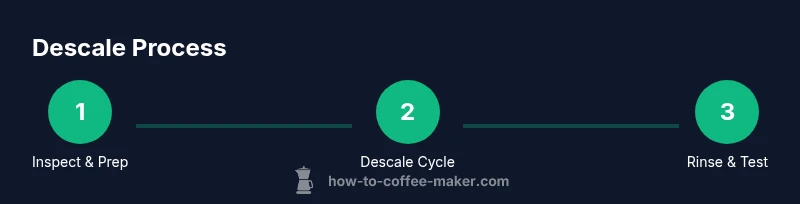
Commonly, you’ll know your coffee machine needs descaling when the brew tastes flat, the extraction slows, or you notice white mineral streaks in the reservoir or on the group head. If you see these signs, prepare a manufacturer‑approved descaler, run a cleaning cycle, then rinse until the water runs clear. Descale promptly to restore flavor and efficiency for long-term reliability.
Why descaling matters for coffee quality and machine longevity
Coffee lovers rely on consistent flavor and reliable performance. Mineral buildup, commonly called scale, forms when hard water deposits calcium and magnesium on heating elements, flow channels, and internal surfaces. Over time, this scale impedes heat transfer, reduces water flow, and creates uneven extraction. According to BrewGuide Pro, mineral scale is the most common culprit behind flavor drift and longer brew times in home brewers, and it can shorten a machine’s life if ignored. Descaling removes these deposits and helps restore heating efficiency, which stabilizes extraction temperature and crema quality. Regular descaling also simplifies daily cleaning and lowers energy use by keeping components working as designed. Always start with your model’s manual for any model-specific cautions, especially around steam wands, gaskets, and removable parts. When done correctly, descaling can revive flavor clarity, aroma, and consistency across cups. This maintenance practice is essential for any serious home barista.
Signs your coffee machine may need descaling
Many indicators point to scale buildup. Common signs include a decline in flavor strength and aroma, longer brew times, and weaker or uneven extraction. You may also notice white or chalky deposits around the nozzle, reservoir, or group head. In espresso machines, you might see slower pressure build or a change in shot volume. If you routinely run hard water through the machine, scale is more likely to accumulate quickly. Regularly inspecting for these symptoms helps you decide when to descale before issues escalate. Remember that some signs overlap with general wear, so use the descaling signs in combination with performance changes to determine the right timing.
How hard water and usage affect scale buildup
Water hardness directly influences how fast scale forms. Hard water contains higher mineral content, which accelerates deposition on heating elements and circuits. Frequent use—several brews daily—also increases the total mineral load passing through the machine. If your local water report shows high hardness, plan for more frequent descaling. Using a water filter or softening system before filling the reservoir can substantially slow scale formation. Additionally, periodic backflushing or cleaning of removable parts reduces residual minerals that might contribute to buildup. Understanding your water profile and usage pattern helps tailor a descaling schedule that protects flavor and equipment longevity.
Descaling options: commercial products vs natural alternatives
There are two broad approaches to descaling: commercial descalers designed for coffee machines and natural alternatives where allowed by the manufacturer. Commercial descalers are formulated to safely dissolve mineral deposits without harming seals or coatings when used as directed. Always confirm compatibility with your model’s materials before proceeding. Some users opt for diluted white vinegar as a DIY descaler, but vinegar can be harsh on rubber gaskets and certain plastics. If your manufacturer explicitly allows vinegar, use a fully diluted solution and complete multiple rinses to remove any vinegar aftertaste. In all cases, avoid mixing descalers with other cleaners and follow the dosage and cycle instructions precisely to prevent damage and ensure effective descaling.
How to plan a descaling schedule and prevent future buildup
A proactive plan helps maintain performance and flavor. Start by checking your local water hardness and your machine’s recommended descaling interval. Keep a log of when you descale and the results of taste tests. To reduce future scale, use filtered or softened water for all brews and consider a pre-filtration system if your water is very hard. Clean removable parts regularly and rinse thoroughly after descaling cycles to prevent residue build-up. Finally, schedule routine maintenance checks with your brand’s guidelines so the device remains covered under warranty and performs at peak efficiency.
Tools & Materials
- Commercial descaler (food-safe)(Choose a descaler compatible with your machine; follow manufacturer dosage directions.)
- White vinegar(Only if your manual permits it; use diluted 1:1 and perform thorough rinses afterward.)
- Water(Fresh, cold water for rinsing and cycles.)
- Measuring cup(Accurately measure descaler and water amounts.)
- Soft cloth and small brush(For exterior cleaning and removing mineral deposits on removable parts.)
- Dish soap(Mild soap for cleaning removable parts after descaling.)
- Access to sink and drain(Needed to rinse parts and run cycles with used solution.)
Steps
Estimated time: 40-60 minutes
- 1
Power down and prepare
Turn off and unplug the machine. Allow it to cool, then remove the water reservoir and any removable trays or baskets. This reduces the risk of electric shock and makes it easier to access areas that collect scale.
Tip: Keep a towel handy for any spills and consult the user manual for model-specific disassembly notes. - 2
Remove and rinse parts
Take out the water reservoir, basket, and any removable parts. Rinse under warm running water to remove loose debris and residue. Dry parts thoroughly before reassembly to prevent stagnant moisture.
Tip: Use a soft brush to dislodge mineral particles from hard-to-reach corners. - 3
Prepare descaling solution
Mix the descaler with water according to the product instructions in a clean container. If using vinegar, ensure a fully diluted 1:1 solution only if your manufacturer allows it. Avoid mixing cleaners.
Tip: Double-check the dosage on the label to avoid over-concentration that could damage seals. - 4
Run the descaling cycle
Fill the reservoir with the descaling solution and start a cleaning or descaling cycle if your machine offers one. If not, run a brew cycle with the solution through the system, pausing as directed for soak times.
Tip: If the machine has a pre-programmed descaling mode, use it as it’s designed for your internals. - 5
Rinse cycles
After the descaling phase, drain the reservoir and run 2–3 full rinse cycles with fresh water to remove all residues. Ensure the water runs clear before the next brew.
Tip: Use a dedicated rinse cycle if your model has one; otherwise perform consecutive brew/rinse sequences. - 6
Reassemble and test
Reinsert all parts, fill with fresh water, and run a test brew to confirm the flavor and temperature are back to normal. If any off-flavors persist, repeat a rinse or run an additional cleaning cycle.
Tip: If the flavor remains off, consider a second descaling cycle and re-check seal integrity.
Questions & Answers
How often should I descale my coffee machine?
Frequency depends on water hardness and usage. In general, descale when you notice flavor changes, slower brewing, or visible scale, and follow your manufacturer’s recommended interval.
Descale when you notice flavor changes or slower brewing, especially if your water is hard. Always follow your machine’s manual for intervals.
Can I use vinegar to descale my coffee machine?
Vinegar can be used only if the manufacturer explicitly allows it. If allowed, dilute fully and rinse thoroughly afterward to remove all vinegar traces.
Only use vinegar if your manual says it’s okay, and make sure to rinse completely to avoid tastes in your coffee.
What are the signs that descaling is needed?
Look for flat-tasting coffee, slower extractions, longer warm-up times, or visible mineral deposits on the reservoir or group head.
Watch for flat taste, slower brewing, and mineral deposits on the machine.
Is descaling the same as cleaning?
Descaling targets mineral deposits inside the machine. Cleaning removes surface grime and residue. Both keep performance high but serve different purposes.
Descale removes mineral buildup inside; cleaning handles surface grime and residue.
What should I do after descaling?
Run several rinse cycles with fresh water, then brew a test cup to ensure no aftertaste remains. If flavor is off, repeat rinses.
Rinse well and do a test brew. If flavor is off, rinse again.
Can I descale while the machine is in use?
Descale should be performed when the machine is idle or in a dedicated cycle, not while actively brewing. Allow cycles to complete before descaling.
Better to descale when idle or during a specific cycle, not during active brewing.
Watch Video
Key Takeaways
- Inspect signs of scale before descaling.
- Use manufacturer-approved descalers and follow dosage.
- Rinse thoroughly after descaling to remove residues.
- Reduce future buildup with softened water and regular cleaning.
- Keep a maintenance log for predictable care.