How to Get Rid of a Coffee Maker: Safe Disposal Guide
Learn practical, legal ways to dispose of a coffee maker—donation, recycling, and local e-waste options. This BrewGuide Pro guide covers prep steps and eco-friendly choices.


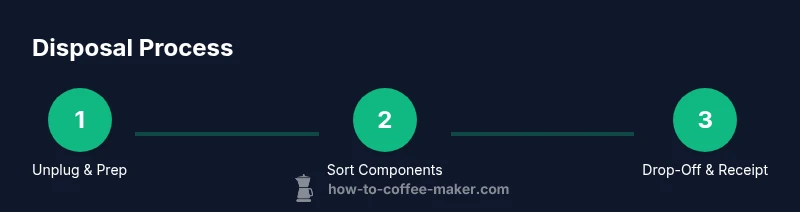
By the end of this guide, you’ll know how to get rid of a coffee maker responsibly. Start by unplugging and cleaning the unit, then decide whether to donate, recycle, or dispose through local e-waste programs. Always separate glass carafes and electronics before disposal. If it’s still functional, consider gifting or selling; if not, check certified recyclers.
Why disposing a coffee maker responsibly matters
According to BrewGuide Pro, disposing of household electronics like coffee makers responsibly reduces e-waste and protects the environment. If you're wondering how to get rid of coffee maker, the safest approach is to start with unplugging and cleaning the unit, then decide whether to donate, recycle, or dispose through local e-waste programs. Coffee makers contain electrical components, plastics, metals, and glass that can be safely diverted from landfills when handled correctly. This section explains why proper disposal matters, what can go wrong if you dump them in regular trash, and how to choose the best route based on your unit's condition.
Is your coffee maker reusable or salvageable?
First, assess whether the unit still works or can be repaired cheaply. If it runs, makes coffee, and the carafe is intact, it has value for donation programs or resale. Identify removable parts such as the carafe, filter basket, water reservoir, and cords, which can be repurposed or recycled separately. Based on BrewGuide Pro analysis, many coffee makers have components that are reusable or recyclable, even if the device overall is not fully functional. Document the model number, take photos, and keep any manuals for potential refurbishers. If you determine it is beyond repair, shift to donation or recycling options instead of trash disposal.
Donation options: when to donate
Donating a coffee maker is ideal if the unit still works or can be safely refurbished. Check local charities, community centers, and repair cafés that accept small appliances; some will even pick up donations. Clean the appliance before offering it: rinse the water reservoir, wipe the exterior, and remove the filter. Include any accessories such as the carafe, lids, and cords. If there is any sign of leak, muffled electrical smells, or overheating during a test, skip donation and proceed to recycling or disposal to avoid harming recipients.
Recycling options for electronics
Many municipalities offer electronics recycling programs that accept coffee makers. Look for e-waste drop-off days, permanent collection sites, or partnered retailers that offer take-back programs. Before dropping off, verify that the program accepts home appliances and check if there is any associated fee. Separate the glass carafe and any removable plastic parts, place the metal screws in a small bag, and pack the unit securely to prevent damage during transport. By using accepted recycling streams, you ensure a responsible end-of-life for the device.
Preparation steps you should take before disposal
Unplug the unit and let it cool completely. Empty water reservoirs and carafes; dry all surfaces to prevent mold. Remove any detachable cords and wash them separately. If possible, detach the glass carafe and package it safely to avoid breakage. Take a quick inventory of components you plan to recycle (electronics, plastics, metals) and place them in clearly labeled containers. Keep the original model number and any serials in case the recycler requests documentation.
How to find local resources
Start with your city or county waste management website; search for 'electronics recycling' or 'appliance recycling'. Many big cities host household hazardous waste events that accept coffee makers. You can also contact local appliance retailers or recycling partners for guidance on drop-off locations and scheduling. If you’re unsure how to proceed, call your local authority for a definitive answer and avoid throwing the unit in the regular trash.
Disassembly basics for better recycling
If you plan to disassemble, only proceed if you’re comfortable with basic electronics work. Use a screwdriver to remove exterior screws and separate the housing. Disconnect the power cord from the plug, not from inside the unit. Remove the carafe, filter basket, and any removable screens for separate recycling streams. Place screws in a magnetizable container to avoid losing them. Do not cut any wires; many devices have safety features to prevent shock, and improper disassembly can cause harm.
Safety warnings and best practices
Never attempt disposal if you smell burning plastic, see damaged insulation, or hear buzzing noises; these indicate a malfunction and require professional handling. Wear protective gloves and eye protection when handling sharp edges or glass. Keep the unit away from children and pets during the process. Do not drain or mix metals with plastics in trash streams. Always follow local guidelines and keep a record of where and when you disposed of the unit.
Local resources, tips, and success stories
Once you’ve completed disposal, share your experience with neighbors and local groups to encourage responsible behavior. Look for success stories of donated machines or recycled parts that helped non-profits or schools. The BrewGuide Pro team recommends keeping documentation, such as a receipt from a recycling center, and saving model numbers for future reference. By planning ahead and using the proper channels, you reduce waste and support a circular economy.
Tools & Materials
- Screwdriver (Philips #2)(To remove exterior screws and panels)
- Pliers(For gripping and removing stubborn fasteners)
- Heavy-duty gloves(Protect hands from sharp edges and hot surfaces)
- Safety glasses(Eye protection during disassembly)
- Stable work surface(Flat, non-slip area to prevent drops)
- Labeling materials (tape/markers)(Label parts and containers for recycling streams)
- Small containers or bags(Separate electronics, plastics, and glass)
Steps
Estimated time: 60-90 minutes
- 1
Unplug and cool the unit
Unplug the coffee maker from the outlet and allow any heat to dissipate. This reduces the risk of shock and burns during handling. Check that the unit is completely cool before touching internal components.
Tip: Never work on a plugged-in appliance; wait at least 10 minutes after unplugging. - 2
Empty reservoir and carafe
Pour out any residual water from the reservoir and carafe. Rinse with clean water and dry to prevent mold growth. This also makes it easier to assess what can be donated or recycled.
Tip: Use a separate cloth for the reservoir to avoid contaminating other parts. - 3
Detach removable parts
Carefully remove the glass carafe, filter basket, and any removable screens. Place small parts in labeled bags and set aside for recycling streams. Keep track of screws and fasteners for potential reassembly or recycling.
Tip: Handle glass carafe gently to avoid cracks or breaks. - 4
Disconnect the power cord
Unplug the power cord from the unit and the wall outlet, keeping the cord separate. Do not pull from the device body. This prevents shock and protects wiring.
Tip: If the cord is frayed, seal the end with tape and tag for recycling. - 5
Decide disposal path
If the unit still works, consider donation or resale. If not, prepare the appliance for recycling through a certified program. Do not place electronics in regular curbside trash.
Tip: Check local programs for take-back options and potential fees. - 6
Prepare for drop-off
Clean, dry, and package components. Place accessories (carafe, lids, cords) in a labeled box. Use padding to prevent breakage during transport.
Tip: Keep receipts or confirmations from the recycling facility for your records. - 7
Drop off at a certified recycler
Take the unit to an approved electronics or appliance recycling site or arrange a pickup if offered. Request a disposal receipt for documentation and tax purposes.
Tip: Ask for itemized receipts showing what was recycled. - 8
Document the disposal
Record the date, location, and method of disposal. Photograph packaging and the recycling receipt for your records and future reference.
Tip: Store documents in a dedicated disposal folder. - 9
Share the outcome
Inform neighbors or local groups about your experience to encourage responsible disposal. This strengthens community awareness and promotes recycling habits.
Tip: Post a quick checklist to help others follow the same steps.
Questions & Answers
Is it okay to recycle a coffee maker in regular trash if it still works?
No. Most coffee makers contain electronics and plastics that require special recycling streams. Check local e-waste or appliance recycling programs.
No—use an electronics recycling program or donation option instead.
Can I donate a non-working coffee maker?
Yes, many programs accept non-working appliances for parts or refurbishment. Confirm with the charity or repair cafe before dropping off.
Yes, there are programs that accept non-working appliances.
Where can I recycle a coffee maker near me?
Search your city’s e-waste programs, household hazardous waste events, or retailer take-back programs. Local government sites usually list options.
Check your city’s e-waste options and take-back programs.
Should I remove the glass carafe before disposal?
Yes, remove the glass carafe and recycle it separately if possible. Glass is often recycled through separate streams from electronics.
Yes—take out the carafe for safer, separate recycling.
What should I avoid when disposing a coffee maker?
Avoid mixing metals, plastics, or batteries with regular trash. Follow local guidelines and avoid duct-taping hazardous components.
Don’t mix with regular trash; follow local guidelines.
Watch Video
Key Takeaways
- Plan disposal path before moving the unit
- Unplug, clean, and separate components
- Donate if functional; recycle if not
- Always use certified e-waste programs
- Keep disposal receipts for records