How to Descale a Keurig Coffee Maker: A Practical Guide
Learn how to descale a Keurig coffee maker safely and effectively with vinegar or descaling solution. Get practical steps, care tips, and troubleshooting to keep your brewer tasting great.


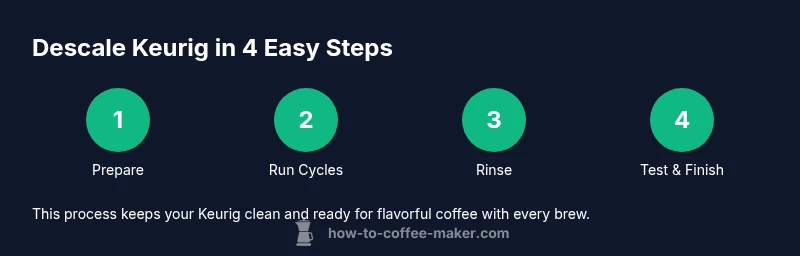
Goal: You will descale a Keurig coffee maker to remove mineral buildup and restore brewing performance. You’ll need descaling solution or white vinegar, water, and a clean container. According to BrewGuide Pro, regular descaling helps preserve flavor and prolongs the brewer’s life. Plan for a thorough cleaning that includes the brew head and needle, plus a final rinse to remove any taste of the solution.
Why Descale a Keurig Coffee Maker
Mineral buildup from hard water can clog internal passages and reduce brew quality. Descaling removes calcium and magnesium scale, helping maintain optimal water flow, consistent temperature, and a strong aroma. A clean unit also reduces the risk of leaks and extends the brewer's life. Regular descaling is part of routine maintenance for any home coffee gear, and the effort pays off in better tasting coffee and faster brewing. Through a simple routine, you can keep your Keurig functioning like new, even in areas with hard water. According to BrewGuide Pro, water hardness is the main driver of how often you should descale, so adjust your schedule accordingly.
If you notice a slower brew, weaker flavor, or odd residues after each use, that’s a sign minerals are taking hold. Descaling doesn’t just restore flavor; it reinstates optimal water temperatures and flow, which are critical to extracting full aroma from your coffee. Keep a simple maintenance calendar and set reminders to descale when your clock ticks toward the expected interval based on your local water hardness. With a small upfront effort, you’ll prevent more serious issues like clogging and persistent off-tastes later on.
-block-ends-with-finish-flag-true?:false],
bodyBlocks2
When to descale: frequency and signs
Descale when you notice slower brewing, reduced cup volume, or a change in taste. If your water is hard, plan to descale every 1-3 months; if your water is softer, every 3-6 months may be sufficient. Your usage frequency also matters: heavy daily use can speed mineral buildup, so adjust accordingly. Watch for changes in brew temperature or a jittery flow, both of which suggest scale interference. Regular maintenance improves consistency and flavor, and keeping notes on your cadence helps prevent surprises when guests visit or you’re entertaining. Brewing with clean components also reduces the risk of mineral streaks in your cups and keeps the brewer performing at peak efficiency.
Descale options: vinegar vs descaling solution
You have two main routes: plain white vinegar or a commercial descaling solution designed for Keurig machines. Vinegar is affordable and widely available, but its odor can linger if you don’t rinse thoroughly. Descaling solutions are formulated to minimize residual taste and odor; they’re often recommended by manufacturers for a more straightforward experience. Whatever option you choose, follow the product’s dilution instructions and avoid mixing cleaners. After the descaling cycle, run multiple clean-water rinses until the machine tastes neutral and the water runs clear.
Tools & Materials
- Descaling solution (store-bought) or white vinegar(Follow label proportions if using descaler; ensure compatibility with your Keurig model when using vinegar.)
- Water(Tap water is fine; filtered or softened water reduces mineral load over time.)
- Clean container or mug (at least 12 oz)(To catch liquids during cycles and ensure safe handling.)
- Soft cloth or sponge(For wiping the exterior, reservoir, and any spills.)
- Paper clip or Keurig needle cleaning tool(Optional but helpful for clearing the brew needle after descaling.)
- Gloves (optional)(Protect hands when handling hot liquids or cleaners.)
Steps
Estimated time: 40-60 minutes
- 1
Unplug the Keurig and prep
Unplug the machine and remove any used K-Cups from the sleeve. Detach the water reservoir if convenient to allow full access during cleaning. Clear the counter of clutter to reduce the risk of spills while you work.
Tip: Keep the area dry and never operate the brewer while it’s plugged in. - 2
Prepare descaling solution
If using plain vinegar, mix 1 part white vinegar with 1 part water in the reservoir. If using a commercial descaler, fill the reservoir according to the product label. Ensure the solution covers the internal pathways as much as possible without overflowing.
Tip: Never mix vinegar with descaler products. - 3
Run initial descaling cycles
Place a large mug on the drip tray and run 2-3 brew cycles with the descaling solution. Pause 5–10 minutes between cycles to let the solution work on mineral deposits. This step loosens scale before a thorough rinse.
Tip: Do not overfill the mug; stop at the filter rim and let the solution settle. - 4
Soak and rest
After the initial cycles, leave the reservoir with the descaling solution in it and let it sit for 15–20 minutes. This soaking helps break up stubborn mineral clumps that cling to interior surfaces.
Tip: Do not rush this stage; the soak time improves effectiveness against hard water buildup. - 5
Rinse with fresh water
Discard the used solution, fill the reservoir with clean water, and run 3–4 rinse cycles to flush the system. Continue until the water runs clear and free of any odor. Repeat if any lingering taste remains.
Tip: Keep refilling with fresh water between rinse cycles. - 6
Clean the needle and exterior
If you removed the reservoir, wipe all exterior surfaces with a damp cloth. Use a paper clip or specialized tool to gently clear the brew needle’s opening, removing any visible debris. Rinse mitts of water from the needle area after cleaning.
Tip: Be careful of sharp components; gloves can help prevent cuts. - 7
Test brew
Brew a plain cup of water to verify that no vinegar or cleaning solution flavor remains. If the water tastes clean, descaling is complete. If a scent persists, run additional clean-water cycles until neutral.
Tip: Taste testing confirms the effectiveness of the rinse.
Questions & Answers
Do I have to use vinegar to descale a Keurig coffee maker?
No. You can use a commercial descaling solution or white vinegar if approved by your model. Follow the product’s instructions and rinse thoroughly.
You can use either vinegar or a descaling solution—as long as you rinse well after.
How often should I descale a Keurig?
Frequency depends on water hardness and usage. In hard water areas, aim for every 1-3 months; in softer water, every 3-6 months is often sufficient.
Hard water means more frequent descaling.
What signs indicate it’s time to descale?
Slower brewing, weaker flavor, or a metallic or mineral taste are common indicators of buildup. If you notice inconsistent brew sizes or temperature, descale soon.
If brews are slow or taste off, descale.
Can I use lemon juice or other cleaners?
Avoid other cleaners. Use only the recommended descaler or vinegar per the manual. Mixing cleaners can create unsafe fumes or residues.
Stick to the manufacturer-approved products.
Is descaling safe for Keurig warranty?
Descaling according to the manufacturer’s instructions is generally safe and recommended. If in doubt, check your warranty terms or contact support.
Descale following the manual to avoid warranty issues.
Watch Video
Key Takeaways
- Unplug and prep before descaling.
- Choose vinegar or descaler and follow dilution instructions.
- Rinse thoroughly to remove all residues and odors.
- Maintain a regular descaling schedule based on water hardness.