Can You Clean a Coffee Maker with Apple Cider Vinegar? A Practical Guide
Learn if you can clean a coffee maker with apple cider vinegar, and follow a practical, step-by-step method with safety tips, rinsing guidance, and model considerations from BrewGuide Pro.


You can safely clean many coffee makers with apple cider vinegar by cycling a vinegar solution through the brew system and rinsing with plain water. Use a 1:1 ratio of apple cider vinegar to water, run a full brew cycle, then repeat with clean water 2–3 times. Always check the user manual before use, and avoid vinegar on machines with enamel coatings.
Can apple cider vinegar clean coffee makers safely? Key considerations
According to BrewGuide Pro, many home brewers turn to kitchen staples like apple cider vinegar to descale mineral buildup. The BrewGuide Pro team found that ACV can help dissolve deposits in most drip and single-serve machines, but compatibility varies by model and finish. Before you begin, always read the owner's manual for vinegar guidance, as some manufacturers discourage acidic cleaners due to enamel or gasket concerns. Different machines respond differently; plastic components can tolerate acidity better than metal parts, while seals and o-rings may be sensitive to frequent acid exposure. Also, avoid adding flavorings or sweeteners to the cleaning solution, since residual traces can affect taste. If you own an expensive or feature-rich espresso machine, you may prefer a manufacturer-approved descaler instead. Start with a small test run if your machine supports it, and monitor for changes in aroma, odor, or leaks. If anything seems off, stop and contact customer support. Safety first always, especially around hot equipment and electrical connections.
How apple cider vinegar cleaning works
Apple cider vinegar contains acetic acid, which helps break down mineral buildup like calcium and magnesium in coffee makers. When you run the vinegar solution through the brew pathway, acids loosen scale from inside the boiler, tubes, and passageways, allowing loose deposits to be flushed out during the rinse. Brew guides from home-appliance experts emphasize using only plain water for final rinses to ensure no residual acidity or flavor remains in the brew cycle. According to BrewGuide Pro analysis, the acid activity of ACV is a practical descaling option for routine maintenance on many models, especially when mineral buildup is moderate and the machine lacks sensitive coatings. Remember: the goal is to loosen deposits, not to aggressively attack seals or plastics with repeated cycles.
Compatibility and risks by machine type
Drip coffee makers and single-serve pods are commonly cited as the easiest candidates for ACV cleaning, but not all models tolerate acidic cleaners. Plastic carafes and interior components generally fare better than metal boilers, chromed surfaces, or gasketed assemblies. Espresso machines with exposed brass or soft metals, or units with enamel-coated boilers, may be more prone to wear from repeated acid exposure. If your machine’s documentation permits vinegar, use a cautious approach: limit the number of cycles, keep concentrations to a moderate level, and ensure thorough rinsing. BrewGuide Pro reminds readers to avoid vinegar-based cleaning if your heater or seals appear damaged or if the machine previously emitted odd odors after cleaning. If in doubt, switch to a manufacturer-recommended descaler.
The basic cleaning cycle outline (high-level)
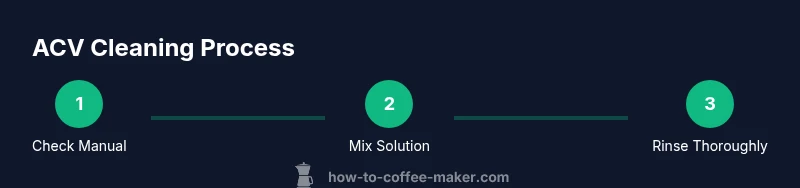
A typical ACV cleaning cycle involves a vinegar-to-water mix, a run-through of the brew path, and multiple rinses. The exact sequence will vary by model, but the pattern is consistent: introduce the solution, allow a brief dwell to let deposits loosen, flush with fresh water, repeat, and then run several final water-only cycles to purge any residual acidity. Always end with an explicit water-only rinse to ensure clean-tasting coffee. This approach is intended to remove scale buildup while avoiding harsh cleaning agents; however, it is not a substitute for regular maintenance and following manufacturer guidelines. The objective is to restore normal flow and taste while protecting seals and coatings.
Rinsing, drying, and restoring flavor after ACV cleaning
A thorough rinse is essential to remove all vinegar remnants. Run two to three full water cycles, using fresh water each time, until the reservoir smells of neutral water only. After the final rinse, wipe down exterior surfaces and allow the machine to dry completely before the next use. Run a couple of plain-water brews to confirm there’s no lingering vinegar aroma or taste. If a faint scent persists, repeat an extra rinse cycle. Regular maintenance—such as using filtered water and periodic descaling—helps keep mineral buildup low and flavor consistent.
Maintenance mindset: safety, smart repeats, and model-specific cautions
ACV cleaning is a practical option for many households, but it’s not universal. Schedule descale sessions based on nightly usage, water hardness, and visible deposits, and avoid overdoing vinegar cleans in quick succession. Always consider the machine’s tolerance to acid, especially for espresso machines or appliances with delicate seals, copper tubing, or enamel coatings. When in doubt, perform a small test on a seldom-used part of the circuit (per manufacturer guidance) and consult customer support if something seems off. Keeping a regular cleaning cadence with manufacturer-approved descalers (or distilled water rinses) can reduce long-term wear and maintain taste quality.
Quick tips for safe, effective ACV cleaning
- Start with clean water only if your reservoir or plumbing shows heavy scale buildup. - Use only a 1:1 ACV-to-water ratio for the principal cleaning cycle, and reduce strength if you notice any harsh effects. - Never pour ACV directly into a hot boiler; always allow it to cool briefly before circulating. - Always do multiple, thorough rinses to ensure no sour or acidic notes remain in the brew. - If your model includes a cleaning light or indicator, follow the manufacturer’s signaling sequence during the process.
Tools & Materials
- Apple cider vinegar(Use plain, unflavored ACV with no added sweeteners or flavors)
- Water(Tap water is fine if it’s not heavily mineralized; use filtered water for best results)
- Measuring cup(For preparing the 1:1 vinegar-to-water mix)
- Carafe or clean container(To hold the cleaning solution and catch drips during cycles)
- Soft cloth or sponge(For wiping exterior surfaces and the carafe before and after cleaning)
- Owner’s manual(Check for vinegar compatibility and model-specific cautions)
- Brush or pipe-cleaner(Optional for gently loosening stubborn mineral deposits in hard-to-reach areas)
- Gloves(Heat-resistant gloves helpful if the unit is hot during the process)
Steps
Estimated time: 30-60 minutes
- 1
Check compatibility
Review the owner’s manual to confirm vinegar is an approved cleaner for your model. If unclear, contact the manufacturer or use a manufacturer-recommended descaler. This step prevents accidental damage to seals or coatings.
Tip: If the manual lists specific cleaners, choose those instead of ACV. - 2
Gather materials
Assemble ACV, water, a measuring cup, and a clean reservoir. Have a carafe ready to hold the solution and a clear workspace to avoid spills.
Tip: Organize everything within arm’s reach to keep the workflow smooth. - 3
Prepare cleaning solution
Mix a 1:1 ratio of apple cider vinegar to water in the carafe. This creates a mild, effective descaler without overly strong acidity.
Tip: Label the solution so you don’t confuse it with plain water later. - 4
Run the vinegar cycle
Pour the solution into the machine’s reservoir and run a full brew cycle without coffee. If your machine has a cleaning mode, use it instead of a standard brew.
Tip: If your unit has a hotplate or warming cycle, do not start it with the vinegar solution in place. - 5
Rinse with plain water
After the vinegar cycle completes, fill the reservoir with clean water and run 2–3 full water cycles to purge vinegar residues.
Tip: Use fresh water for each rinse to maximize residue removal. - 6
Test brew and dry
Brew a small batch of plain water and discard to ensure the final rinse removed all acidity. Wipe down surfaces and let components dry before next use.
Tip: Taste a small cup of the brewed water; if you detect vinegar, run an extra rinse.
Questions & Answers
Is apple cider vinegar safe for all coffee makers?
No. Some machines, especially those with delicate enamel, brass components, or certain seals, may not tolerate ACV. Always check the manual or manufacturer guidance before proceeding.
Not all machines tolerate ACV. Check your manual or contact support before you begin.
What if my coffee tastes like vinegar after cleaning?
A thorough rinse with multiple plain-water cycles usually resolves this. If the flavor persists, repeat the rinse or run a few cycles with just water and a fresh paper filter.
If there’s any vinegar taste, run extra water cycles until it’s gone.
Can I use white vinegar instead of apple cider vinegar?
White vinegar is a common descaler, but it’s more pungent. If you choose white vinegar, dilute and rinse thoroughly; always verify compatibility with your model.
White vinegar can be used, but rinse well and check compatibility.
How often should I clean with ACV?
Clean with ACV when you notice mineral buildup or on a routine basis based on water hardness and usage. Avoid over-cleaning with acids which can stress seals over time.
Clean as needed based on buildup and usage.
Will ACV damage the machine?
Yes, on machines with sensitive coatings or seals. If the manufacturer warns against acids, don’t use ACV and opt for approved descalers.
ACV can damage some parts; follow the manual.
Should I re-season or re-calibrate after ACV cleaning?
Re-seasoning isn’t usually required for modern machines, but ensure no residue remains and the unit brews correctly before returning to normal use.
Usually not needed; just ensure it’s rinsed well and works.
Watch Video
Key Takeaways
- Check compatibility before cleaning.
- Use a 1:1 ACV-to-water mix.
- Rinse thoroughly with plain water.
- Avoid vinegar on sensitive coatings.
- Follow manufacturer guidance for best results.