Is It OK to Clean a Coffee Maker with Vinegar? A Practical Guide
Learn safe, effective vinegar cleaning for coffee makers, including dilution, rinsing, machine-specific cautions, and maintenance tips to keep brewers brewing at their best.


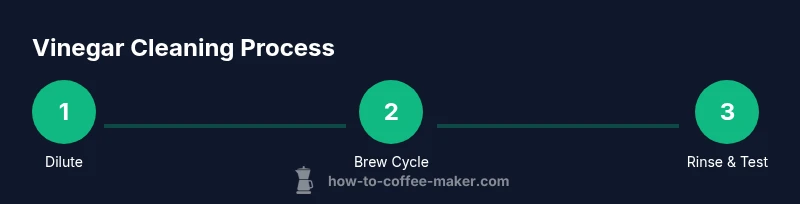
Yes, you can clean many home coffee makers with distilled white vinegar diluted 1:1 to descale mineral buildup. Run a cleaning cycle, then flush with several full cycles of clean water until the aroma and taste are neutral. Avoid vinegar on machines with sealed components or specialized cleaners unless the manufacturer approves.
Is vinegar cleaning safe for coffee makers?
is it ok to clean a coffee maker with vinegar? This question surfaces often among home brewers seeking an inexpensive, proven descaling method. Vinegar is a weak acid that can dissolve mineral deposits from hard water, which accumulate inside boilers, tubes, and carafes. For many drip and pour-over machines, approved routines involve a vinegar rinse followed by multiple water-only cycles to flush residue. However, safety depends on your model. Some espresso machines, single-serve pods, or sealed components may have seals or gaskets that could be compromised by acidic solutions. Always consult the user manual and look for any manufacturer notes about vinegar use. When used correctly, vinegar cleaning can help restore performance and extend the life of a coffee maker, while also reducing mineral buildup that dulls flavor. This article covers practical steps, best practices, and safe alternatives that align with BrewGuide Pro’s guidelines. According to BrewGuide Pro, understanding your machine’s construction is essential before selecting a cleaning method and ensuring you complete a thorough rinse cycle to avoid lingering acidity.
How vinegar works to descale coffee makers
Vinegar’s acidity helps break down calcium carbonate and mineral scale that accumulate on internal surfaces, valves, and heating elements. When a vinegar solution travels through the brew system, it slowly dissolves mineral plugs, improving water flow and heat transfer. The effectiveness hinges on dilution, contact time, and complete rinsing. If mineral deposits are light, a single cycle may suffice; for heavier buildup, a second pass or periodic maintenance schedule may be needed. It’s important to note that vinegar is powerful enough to disrupt some protective coatings or seals over time if used improperly. BrewGuide Pro emphasizes comparing vinegar-based methods with purpose-made descalers and considering your machine’s material compatibility.
Preparation: choosing the right vinegar and dilution
Not all vinegars are created equal for cleaning appliances. The standard choice is distilled white vinegar with about 5% acidity. A 1:1 dilution with water is typically recommended for descaling. Some users opt for a 1:2 ratio (vinegar to water) for lighter buildup, then increase only if necessary and safe for their model. Always fill the reservoir with the solution or run it through the brewing system exactly as your manual describes. Use filtered or distilled water to minimize mineral interference in subsequent cycles. After cleaning, prepare to perform multiple thorough rinses with clean water to remove any scent or flavor transfer. BrewGuide Pro notes that maintaining a neutral rinse protocol is crucial for preserving coffee flavor while ensuring machine longevity.
When to avoid vinegar: machine types and manufacturer guidelines
Certain machines are more sensitive to acidic cleaners. Espresso machines with delicate gaskets or pressure seals may not tolerate vinegar well, especially if they have aluminum components or specialized hardware. Pod-based systems and some commercial brewers often come with strict cleaning guidelines that discourage vinegar use. In these cases, opt for the manufacturer’s recommended descaler or citric acid solution. If you’re uncertain, contact customer support or refer to the appliance’s official website for an explicit stance on vinegar. The BrewGuide Pro team recommends erring on the side of caution when the manual does not explicitly approve vinegar use, and evaluating alternative descalers before proceeding.
Post-cleaning: rinsing, checking, and flavor testing
After the vinegar cycle, flush the system with clean, cold water through several full brew cycles. You want to ensure all acidity and dissolved minerals are removed, which typically requires 2–4 rinse cycles depending on the machine and water hardness. Smell the steam and taste a small amount of water to confirm neutral flavor. If any vinegar scent persists, run additional rinses. Dry any removable parts and allow the unit to air-dry before reassembly. This step helps prevent mold and keeps the next brew tasting fresh. BrewGuide Pro suggests documenting your rinsing steps to maintain consistency across cleanings.
Long-term care: maintaining a vinegar-cleaned machine
Regular maintenance reduces the frequency of heavy-scale cleaning. Consider routine water filtration, periodic descaling using manufacturer-approved products, and mindful monitoring of taste changes. After vinegar cleaning, establish a schedule based on your water hardness and usage: some households descale every 1–3 months, others only when mineral buildup becomes noticeable. Keeping a clean reservoir, carafe, and brew basket helps prevent residue transfer. The key is consistency—consistent care yields consistently better-tasting coffee and a longer-lasting machine, as highlighted by BrewGuide Pro.
Alternatives to vinegar for sensitive machines
If your machine warns against acidic cleaners, alternatives include citric acid-based descalers, which are milder yet effective, and commercially formulated descalers designed for coffee makers. Citric acid is often gentler on seals while still dissolving mineral buildup. Always follow the product label and rinse thoroughly after use. Some users also rely on hot water washes with baking soda for odor control, but this should be tested on a small area first or avoided on delicate components. BrewGuide Pro advocates evaluating the safest option for your specific model and prioritizing thorough rinsing regardless of the cleaner used.
Tools & Materials
- Distilled white vinegar (5% acidity)(Use for the cleaning solution; avoid flavored vinegars)
- Water (filtered or distilled)(For diluting vinegar and rinsing cycles)
- Measuring cup or graduated jug(To mix equal parts vinegar and water)
- Clean container for collecting rinse water(Helps monitor disposal; keep area tidy)
- Soft cloth or sponge(For wiping exterior and lid seals)
- Brush or old toothbrush(For scrubbing the carafe and filter basket if needed)
Steps
Estimated time: 60-90 minutes
- 1
Prepare cleaning solution
Mix distilled white vinegar with an equal amount of water in the reservoir or a measuring container, depending on your machine's cleaning flow. The goal is a 1:1 dilution that effectively dissolves mineral buildup without overly stressing components.
Tip: Label the mixture and use fresh, filtered water to avoid introducing extra minerals. - 2
Run the cleaning cycle
Start a cleaning brew or run the solution through the machine as you would a normal brew cycle. Do not operate empty of water; ensure the machine has enough liquid to avoid overheating.
Tip: If your machine lacks a dedicated cleaning cycle, run a standard brew cycle with the vinegar solution. - 3
Pause and soak deposits
If your model allows, pause halfway through to let the solution sit for 10–15 minutes. This helps mineral deposits loosen before finishing the cycle.
Tip: Avoid letting vinegar sit too long in sealed components to prevent potential damage. - 4
Rinse with clean water (cycle 1)
Discard the vinegar solution and run a full cycle with clean water to remove most of the acidity.
Tip: Use hot water for the rinse if your machine supports it to improve odor removal. - 5
Rinse with clean water (cycle 2+)
Repeat the rinse cycle at least 2–4 times or until the smell and taste of vinegar are gone. Some machines require more cycles due to stubborn buildup.
Tip: Taste a small amount of water from a cup to verify neutrality. - 6
Clean removable parts
Wash the carafe, filter basket, and any removable components with warm, soapy water, then rinse thoroughly.
Tip: Avoid abrasive scrubs that could scratch surfaces. - 7
Dry and reassemble
Dry all parts completely before reassembling. Allow the machine to air-dry before use to prevent mold or odor.
Tip: Wipe the exterior with a damp cloth to remove residual moisture.
Questions & Answers
Is it safe to use vinegar in all coffee makers?
Not every machine tolerates vinegar. Drip and some manual machines tolerate it when used correctly, but many espresso machines and pod systems have seals or components that may be compromised. Always check the manual or manufacturer guidance before proceeding.
Vinegar can be safe for many machines, but always check your manual first to avoid damaging seals or warranties.
How many times should I rinse after cleaning with vinegar?
Rinse with clean water through at least two full brew cycles, and repeat until there is no vinegar smell or taste. Depending on hardness and model, you may need more cycles.
Rinse multiple times until there’s no vinegar scent or taste remaining.
Can vinegar affect the flavor of my coffee afterward?
If you rinse thoroughly, there should be no residual vinegar flavor. Inadequate rinsing can lead to off-flavors in subsequent brews.
If you rinse well, you won’t notice vinegar in your coffee.
What is the best dilution for vinegar cleaning?
A common approach is a 1:1 mixture of distilled white vinegar to water. Some buildup may require adjustments, but avoid overly concentrated solutions that risk damaging components.
Typically, a 1:1 vinegar-to-water mix works well, but always test with your machine’s guidelines.
Are there safer alternatives to vinegar?
Yes. Citric acid-based descalers or manufacturer-approved descalers are commonly recommended. They often provide similar mineral removal with potentially less risk to seals.
Citric acid cleaners or manufacturer descalers are good alternatives if vinegar is not advised.
How often should I descale a coffee maker by hardness level?
Descale frequency depends on water hardness and usage. Start with a regular schedule and adjust based on buildup and performance observed over time.
Descale as buildup appears or as your water quality dictates, then track performance.
Watch Video
Key Takeaways
- Follow manufacturer guidance first and foremost.
- Use a 1:1 vinegar-to-water dilution for most descaling tasks.
- Rinse thoroughly with multiple water cycles until vinegar odor is gone.
- Maintain regular descaling to prevent heavy mineral buildup.