When Making Coffee: A Practical Guide for Home Brewers
A comprehensive guide to when making coffee at home, covering grind, water, temperature, timing, and method-specific tips for pour-over, espresso, and more.


With this guide, you will master when making coffee: choose the right grind, temperature, and brew time for your method; measure water and coffee accurately; and follow a reliable sequence from grinding to pouring. You’ll understand how small adjustments affect flavor, extraction, and consistency, whether you’re using an espresso, pour-over, or automatic brewer.
Understanding When Making Coffee: A Time and Temperature Primer
Flavor and consistency begin with timing and temperature. When making coffee, the extraction process is driven by how hot the water is and how long it spends with the grounds. Warm, stable temperatures unlock soluble compounds gradually, while too-quick a contact time can produce sour flavors, and too-long contact can taste bitter or heavy. Blooming—where hot water first meets the grounds—helps release trapped aromas and sets the stage for even extraction. For most brewing methods, aim for a controlled ramp to your target temperature and maintain it through the brew window. A consistent routine reduces variability and makes flavors reproducible over days and even weeks.
Core Variables That Shape Flavor
Every cup is a balance of several variables: grind size, coffee dose, water quality, brew time, and the coffee-to-water ratio. Start with a clean grinder and burrs; avoid blade grinding for consistent particle size. The dose determines body and strength, while the ratio controls extraction yield. Water quality matters more than most home brewers realize: minerals like calcium aid extraction, while overly chlorinated water can mute flavors. Temperature interacts with all of these, so a stable brew temperature—ideally between 92°C and 96°C for most methods—helps you reach a clean, balanced cup. Small tweaks in any variable can transform a mediocre brew into a bright, well-rounded cup.
Measuring and Scaling: Start with a Reliable Ratio
Accuracy matters more than speed here. Begin with a standard coffee-to-water ratio by weight, such as 1:15 to 1:17 for many techniques, then adjust to taste. Use a digital scale for both coffee dose and water volume to maintain consistency across batches. Record the exact weight you used for each method and roast level, so you can reproduce your preferred profile. If your cup tastes weak, you may need more coffee or slower extraction; if it tastes flat or bitter, try a finer grind, shorter contact time, or a cooler water temperature.
Grinding for Consistency: Freshness, Burrs, and Dial-In
Ground coffee begins to lose aroma immediately after grinding, so grind just before brewing whenever possible. A quality burr grinder produces uniform particle sizes, which leads to even extraction. Coarser grinds drain too fast for most methods, resulting in sour flavors; finer grinds extract too slowly and can taste bitter. Dial-in your grinder by method: a medium-fine grind for drip, a medium grind for pour-over, and a finer grind for espresso. Keep your burrs clean and calibrated; worn burrs create uneven grounds and uneven extraction, no matter how precise your measurements are.
Water Temperature and Preheating: The Quiet Performance Boost
Preheating your brewing vessel and ensuring water is at the target temperature before pouring minimizes temperature drops during extraction. A stable temperature helps dissolve more desirable solubles and reduces under- or over-extraction. If your kettle has a temperature display, use it; otherwise a simple thermometer can help you hit the right range. Avoid boiling water for most methods; boiling can scorch delicate aromatics and skew flavor. A steady pour rate also maintains consistent contact time.
Method-Specific Guidelines for Popular Techniques
Different brew methods demand different parameter sets. For pour-over, use a steady, circular pouring pattern to maintain even saturation and a bloom phase of 30–45 seconds. For French press, a coarser grind and a longer brew time (around 4 minutes) promotes a fuller body with nuanced oils. Espresso requires high pressure, a precise grind size, and a short contact time (about 25–30 seconds) to balance intensity with sweetness. AeroPress can be flexible, but consistency comes from accurate dosing and a repeatable grind. Start with a flexible core: quality beans, clean equipment, balanced ratio, and stable temperature, then tailor per method.
Maintenance and Cleanliness: Descale and Care
Descale regularly to prevent mineral buildup that can affect taste and flow. Use a descaling solution appropriate for your machine or a vinegar-based routine where compatible, followed by thorough rinsing. Clean coffee oils from the basket, carafe, and filter areas weekly to avoid rancid smells and off-flavors. A clean machine not only tastes better but lasts longer. Keep a regular ritual: rinse after each brew, wipe down surfaces, and schedule a deeper clean monthly or quarterly depending on usage and water hardness.
Troubleshooting Common Flavors
If flavors skew toward sour, under-extraction or too-cool water is often the culprit. Try a finer grind, longer contact time, or slightly higher temperature. If bitterness dominates, you may be over-extracting or using too fine a grind, or water that’s too hot. Inconsistent flavor can result from variable grind size, unstable temperatures, or uneven pouring. Record your parameters for each brew, and adjust one variable at a time to isolate the influence. Remember that roast level also affects extraction; darker roasts can taste flat if extracted too slowly, while lighter roasts can taste vibrant but delicate.
Data-Driven Adjustments: Keeping a Coffee Journal
A brewing journal helps translate practice into repeatable success. Note the beans used (roast level, origin), grind setting, dose, water volume, water temperature, brew time, and final taste notes. Over time, you’ll identify reliable ranges for your favorite beans and equipment. Use the journal to compare methods and refine your process, creating a personal blueprint that accelerates discipline and improves consistency.
Authority Reading and Further Reading
For deeper dives into brew science, consult reputable sources on water chemistry, extraction, and sensory analysis. This section compiles resources that offer method-focused guidance and research-backed insights, useful for builders of home cuppings and curious hobbyists alike. Remember to apply guidance to your equipment and local water conditions, adjusting science to your kitchen setup.
Tools & Materials
- Digital kitchen scale(Measure coffee and water accurately (±0.1 g).)
- Burr grinder (conical or flat burrs)(For uniform particle size; dial in grind settings per method.)
- Gooseneck kettle(Controlled pour with steady flow; ideal for pour-over.)
- Thermometer (or kettle with temp display)(Hit target brewing temperature (92–96°C typical).)
- Brewing device (drip cone, French press, espresso machine, or Aeropress)(Choose based on preferred method and beans.)
- Filtered water(Better mineral balance improves extraction; avoid hard tap water.)
- Fresh coffee beans(Roasted within 14 days for best aroma; grind just before brew.)
- Timer(Used to track brew time if your device lacks a timer.)
- Soft cleaning brush or sponge(Regular maintenance reduces odors and buildup.)
Steps
Estimated time: 20-35 minutes
- 1
Choose coffee and weigh beans
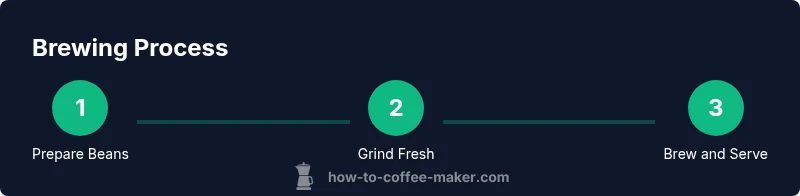
Select a roast and origin you enjoy. Weigh the beans precisely according to your target ratio and method, then grind just before brewing. This ensures maximum aroma and control over extraction.
Tip: Aim for consistency by using the same scale and beans for each test brew. - 2
Measure water and preheat
Fill your kettle with clean water and preheat your brewing vessel to approach brewing temperature. Preheating stabilizes the temperature during extraction and prevents temperature drop that could skew flavor.
Tip: If possible, heat your water to 92–96°C and pour slowly to maintain steady temperature in the vessel. - 3
Grind to target size
Grind just before brewing to preserve aroma. Adjust grind to match your method: medium for drip, medium-fine for pour-over, fine for espresso. Check the uniformity of grind size after grinding.
Tip: Compare two grind settings and choose the one that yields a cleaner cup with balanced sweetness. - 4
Brew with correct ratio and time
Pour water evenly over grounds according to your ratio, then time the brew according to method (e.g., 2–3 minutes for a pour-over, 25–30 seconds for espresso). Bloom for pour-over to optimize extraction.
Tip: Pour in stages if using pour-over to control saturation and avoid channeling. - 5
Pause, observe, and adjust
Taste a sample and note whether it’s under- or over-extracted. If needed, tweak one variable at a time—grind size, dose, or water temperature—to bring out desired sweetness and balance.
Tip: Keep a consistent log and test one variable per brew. - 6
Serve and reset equipment
Pour and enjoy while hot. Rinse and dry tools after brewing to prevent stale odors and maintain performance. Store beans in a cool, dry place away from direct light.
Tip: Establish a quick post-brew routine to maintain peak flavor in future batches.
Questions & Answers
What is the best water temperature for most brews?
Typically, 90–96°C (195–205°F) works well for most methods; adjust slightly based on roast level and technique.
Aim for about 195 to 205 degrees Fahrenheit for most brews, then fine-tune to taste.
How do I choose a coffee-to-water ratio?
Start with a standard range of 1:15 to 1:17 by weight, then adjust to taste and strength preferences.
Begin with 1 part coffee to 15 to 17 parts water and tweak from there.
Should I pre-wet the filter?
Yes. Pre-wetting removes papery taste and helps bloom, especially with paper filters.
Yes, rinse the filter before brewing to remove paper tastes.
What causes sour or under-extracted coffee?
Common causes are too coarse a grind, water that’s too cool, or too short a brew time.
Grind too coarse, water too cool, or brew time too short often leads to sour tastes.
How often should I descale my coffee maker?
Follow manufacturer guidance; typically every 1–3 months depending on water hardness and usage.
Descale every few months if you see scale buildup, following your machine’s guidance.
Watch Video
Key Takeaways
- Measure precisely for consistency.
- Control temperature and time for balanced extraction.
- Grind fresh and clean equipment regularly.
- Match grind size and brew method for better taste.
- Keep a brewing journal to improve over time.