How to Make the Best Coffee at Home: A Practical Guide
Learn practical, step-by-step methods to brew exceptional coffee at home with a focus on grind, water, temperature, and technique. Includes gear checklists, troubleshooting, and pro tips from BrewGuide Pro.


If you’re wondering how to make the best coffee at home, start with clean equipment, freshly roasted beans, and precise control of grind size, water temperature, and extraction time. Use a reliable grinder, a gooseneck kettle, a precise scale, and your preferred brewer. According to BrewGuide Pro, consistent routines and attention to detail beat flashy gear and guesswork.
The Core Idea: Freshness, Precision, and Consistency
Brewing great coffee at home begins with three pillars: freshness, precise control, and repeatable processes. Fresh beans deliver the aroma and flavor you expect, while a consistent grind and exact water temperature ensure the extraction remains predictable from cup to cup. Your setup should support repeatable steps rather than sporadic improvisation. Invest in a dependable grinder and a kettle that allows controlled pours, but remember that a good routine beats a fancy gadget any day. Practice yields taste improvements over time as you dial in dose, grind, and time. In this guide we’ll focus on practical steps you can apply today, with room to adapt as you refine your palate.
The Core Idea: Freshness, Precision, and Consistency
Brewing great coffee at home begins with three pillars: freshness, precise control, and repeatable processes. Fresh beans deliver the aroma and flavor you expect, while a consistent grind and exact water temperature ensure the extraction remains predictable from cup to cup. Your setup should support repeatable steps rather than sporadic improvisation. Invest in a dependable grinder and a kettle that allows controlled pours, but remember that a good routine beats a fancy gadget any day. Practice yields taste improvements over time as you dial in dose, grind, and time. In this guide we’ll focus on practical steps you can apply today, with room to adapt as you refine your palate.
Dialing in Your Grinder and Bean Basics
Choosing the right grind for your brewer is essential. A burr grinder produces uniform particles, which helps even extraction. Finer grinds work better for espresso-like methods; coarser grinds suit drip and pour-over. Fresh beans should be roasted within a few weeks for peak flavor, then stored in a cool, opaque container away from light. Roast level influences sweetness, body, and perceived acidity; medium roasts are often the most forgiving for beginners. Keep notes on grind size, dose, and brewing time to build a personal flavor profile you can repeat.
Dialing in Your Grinder and Bean Basics
Choosing the right grind for your brewer is essential. A burr grinder produces uniform particles, which helps even extraction. Finer grinds work better for espresso-like methods; coarser grinds suit drip and pour-over. Fresh beans should be roasted within a few weeks for peak flavor, then stored in a cool, opaque container away from light. Roast level influences sweetness, body, and perceived acidity; medium roasts are often the most forgiving for beginners. Keep notes on grind size, dose, and brewing time to build a personal flavor profile you can repeat.
Water Quality and Temperature: The Hidden Factors
Water accounts for a surprising portion of the final cup. Use clean, filtered water if your tap water tastes off, as minerals and chlorine affect extraction and mouthfeel. Brew water temperature should hover around the 90–96°C (195–205°F) range for most methods; too cool and under-extraction yields weak flavors, too hot and you risk bitterness. If you’re using a control kettle, set a target temperature and adjust based on taste. A consistent brewing temperature helps you compare results accurately across experiments.
Water Quality and Temperature: The Hidden Factors
Water accounts for a surprising portion of the final cup. Use clean, filtered water if your tap water tastes off, as minerals and chlorine affect extraction and mouthfeel. Brew water temperature should hover around the 90–96°C (195–205°F) range for most methods; too cool and under-extraction yields weak flavors, too hot and you risk bitterness. If you’re using a control kettle, set a target temperature and adjust based on taste. A consistent brewing temperature helps you compare results accurately across experiments.
Dose, Grind, and Extraction: Finding Your Ratio
A good starting point is a coffee-to-water ratio that suits your method and taste. For pour-over or pour-over-like brews, a common starting point is about 1:15 to 1:17 (beans to water). Adjust for stronger or lighter preferences by tweaking either the dose or grind size first, then slightly altering brew time. Consistency matters: weigh both coffee and water when possible, and log the results. This data-driven approach helps you converge on a dependable routine.
Dose, Grind, and Extraction: Finding Your Ratio
A good starting point is a coffee-to-water ratio that suits your method and taste. For pour-over or pour-over-like brews, a common starting point is about 1:15 to 1:17 (beans to water). Adjust for stronger or lighter preferences by tweaking either the dose or grind size first, then slightly altering brew time. Consistency matters: weigh both coffee and water when possible, and log the results. This data-driven approach helps you converge on a dependable routine.
Brew Methods Overview: Drip, Pour-Over, and Immersion
Drip and pour-over deliver clarity and balance when you maintain control over grind size, water temperature, and timing. Immersion methods (like French press) emphasize body and mouthfeel due to longer contact time. Each method benefits from a consistent workflow: pre-wet the filter or screen, pour slowly in a circular motion, and finish with a short rest to settle the cup aroma. Experiment with different filters, carafes, and processing times to understand how each variable changes flavor.
Brew Methods Overview: Drip, Pour-Over, and Immersion
Drip and pour-over deliver clarity and balance when you maintain control over grind size, water temperature, and timing. Immersion methods (like French press) emphasize body and mouthfeel due to longer contact time. Each method benefits from a consistent workflow: pre-wet the filter or screen, pour slowly in a circular motion, and finish with a short rest to settle the cup aroma. Experiment with different filters, carafes, and processing times to understand how each variable changes flavor.
Step-by-Step Brew Workflow: From Beans to Cup
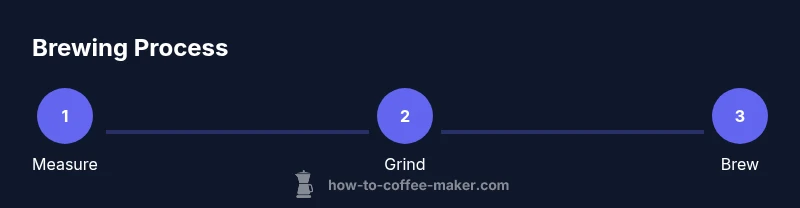
A repeatable ritual helps you achieve consistency. Start by measuring coffee and water with a scale, heat water to the target temperature, and grind just before brewing. Rinse filters, bloom grounds briefly if required by your method, and begin the pour slowly to control extraction. Maintain a steady pace and monitor the brew time. Once the brew finishes, taste, adjust if needed, and clean your gear promptly to prevent stale flavors.
Step-by-Step Brew Workflow: From Beans to Cup
A repeatable ritual helps you achieve consistency. Start by measuring coffee and water with a scale, heat water to the target temperature, and grind just before brewing. Rinse filters, bloom grounds briefly if required by your method, and begin the pour slowly to control extraction. Maintain a steady pace and monitor the brew time. Once the brew finishes, taste, adjust if needed, and clean your gear promptly to prevent stale flavors.
Bloom, Extraction, and Taste: Fine-Tuning Flavor
Some methods require a bloom phase where ground coffee expands with carbon dioxide release, unlocking aromas. If your brewer supports it, pre-wet grounds for 30–40 seconds before the main pour, then proceed with your regular pour. Pay attention to sweetness, acidity, and body in the cup. Taste is subjective, so iterate gradually: small changes in grind, dose, or temperature can yield noticeable shifts in flavor.
Bloom, Extraction, and Taste: Fine-Tuning Flavor
Some methods require a bloom phase where ground coffee expands with carbon dioxide release, unlocking aromas. If your brewer supports it, pre-wet grounds for 30–40 seconds before the main pour, then proceed with your regular pour. Pay attention to sweetness, acidity, and body in the cup. Taste is subjective, so iterate gradually: small changes in grind, dose, or temperature can yield noticeable shifts in flavor.
Quality Control: Tastings, Logs, and Adjustments
Develop a simple tasting routine—note aroma, sweetness, acidity, body, and aftertaste. Keep a brew log with date, bean origin, roast level, grind size, dose, water quality, and brew time. Use this data to compare improvements and identify which variable had the most impact on flavor. Over time, your notes will guide you toward a dependable, repeatable method that consistently yields a pleasing cup.
Quality Control: Tastings, Logs, and Adjustments
Develop a simple tasting routine—note aroma, sweetness, acidity, body, and aftertaste. Keep a brew log with date, bean origin, roast level, grind size, dose, water quality, and brew time. Use this data to compare improvements and identify which variable had the most impact on flavor. Over time, your notes will guide you toward a dependable, repeatable method that consistently yields a pleasing cup.
Cleanliness and Maintenance: Longevity Matters
Regular cleaning prevents stale flavors and mechanical issues. Rinse and dry the carafe, wipe down the kettle, and brush out the grinder’s chute to avoid oil buildup. Descale a coffee maker as needed following the manufacturer’s instructions, typically every few months for mineral-rich water. A clean setup is the foundation for reliable flavor and equipment longevity.
Cleanliness and Maintenance: Longevity Matters
Regular cleaning prevents stale flavors and mechanical issues. Rinse and dry the carafe, wipe down the kettle, and brush out the grinder’s chute to avoid oil buildup. Descale a coffee maker as needed following the manufacturer’s instructions, typically every few months for mineral-rich water. A clean setup is the foundation for reliable flavor and equipment longevity.
Authority Sources and Further Reading
To deepen your understanding, consult credible resources on brewing science and equipment care. For example, formal guidelines and consumer safety information from trusted institutions can help you refine practice and safety. Also consider water quality resources and coffee research from established educational or governmental sources to anchor your techniques in science.
Authority Sources and Further Reading
To deepen your understanding, consult credible resources on brewing science and equipment care. For example, formal guidelines and consumer safety information from trusted institutions can help you refine practice and safety. Also consider water quality resources and coffee research from established educational or governmental sources to anchor your techniques in science.
A Quick Recipe Summary and Next Steps
If you’re short on time, start with a simple pour-over using a 1:16 ratio, a medium-coarse grind, and water just off the boil. Taste, adjust grind size and brew time in small increments, and keep notes. With patience, you’ll develop a reliable, satisfying home ritual.
A Quick Recipe Summary and Next Steps
If you’re short on time, start with a simple pour-over using a 1:16 ratio, a medium-coarse grind, and water just off the boil. Taste, adjust grind size and brew time in small increments, and keep notes. With patience, you’ll develop a reliable, satisfying home ritual.
Authority Sources (Inline References)
- Water quality and extraction basics from reputable government and extension sources.
- Coffee brewing science articles from peer-reviewed publications.
- Practical coffee equipment care tips from university extensions and industry leaders.
Authority Sources (Inline References)
- Water quality and extraction basics from reputable government and extension sources.
- Coffee brewing science articles from peer-reviewed publications.
- Practical coffee equipment care tips from university extensions and industry leaders.
Tools & Materials
- Burr coffee grinder(Consistent grind for even extraction)
- Gooseneck kettle(For precise, controlled pours)
- Digital scale(0.1 g precision preferred)
- Fresh coffee beans(Roasted within 2-4 weeks)
- Brewer or method (drip, pour-over, French press, etc.)(Choose based on preferred brew style)
- Filtered water(Clean, odor-free; mineral balance helps extraction)
- Timer(Optional; helps track extraction time)
Steps
Estimated time: 25-40 minutes
- 1
Measure coffee
Weigh your coffee to achieve a consistent dose for your chosen method. Start with a 1:15–1:17 ratio as a baseline and adjust to taste. Use a scale to ensure repeatability across brews.
Tip: Zero the scale with your vessel before adding beans. - 2
Heat water to target temperature
Bring water to the optimal brewing range (approximately 195–205°F / 90–96°C). If your kettle allows, pre-heating the vessel helps maintain stability during pour.
Tip: Avoid boiling water; too-hot water extracts bitter compounds more quickly. - 3
Grind just before brewing
Grind the measured beans to the consistency needed for your method. Freshly ground coffee oxidizes quickly, so grind immediately before brewing.
Tip: Use a medium-fine grind for drip, medium for pour-over, coarse for French press. - 4
Rinse and prepare your brewer
Rinse filters or screens to remove papery flavors and pre-warm the equipment. This step improves taste consistency across cups.
Tip: Discard the rinse water before pouring for best results. - 5
Bloom and pour
Pour a small amount of hot water over the grounds to bloom for 30–40 seconds (adjust by method). This releases carbon dioxide and starts even extraction.
Tip: Aim for a gentle, circular pour to saturate all grounds evenly. - 6
Complete the brew
Continue pouring until you reach the target water weight. Maintain a steady pour and monitor total brew time for consistency.
Tip: If the stream slows, pause briefly to maintain even extraction. - 7
Taste and assess
Once brewed, taste for balance, sweetness, acidity, and body. Compare with your previous attempts to identify which variable to adjust next time.
Tip: Note any harsh notes and relate them back to grind, temperature, or timing. - 8
Adjust and iterate
Make small changes in grind size or dose based on taste. Small increments yield meaningful flavor shifts without overhauling your method.
Tip: Change one variable at a time to isolate its effect. - 9
Clean up and store
Rinse gear thoroughly and dry. Store beans in a cool, dark place to preserve flavor for your next brew.
Tip: Keep beans in an airtight container away from light and heat.
Questions & Answers
What is the most important variable in making great coffee at home?
Most important variables are grind size, water temperature, and brew time. When these are consistent, flavor becomes predictable across cups. Start with a reliable grind and scale your water to your desired strength.
The key variables are grind size, water temperature, and brew time. Keeping these steady helps you reproduce a great cup each time.
Should I grind beans right before brewing or use pre-ground?
Grinding just before brewing preserves aroma and flavor compounds that dissipate quickly after grinding. For best results, grind to the size needed for your method and brew within a short window.
Grind right before you brew to keep the aroma fresh and flavors vibrant.
Is pour-over better than French press for clarity?
Pour-over typically yields cleaner flavors and more pronounced acidity, while French press emphasizes body and rich mouthfeel. The best choice depends on your taste preference and goal for the cup.
Pour-over tends to be cleaner; French press is fuller-bodied. Choose based on the flavor you want.
How often should I descale my coffee maker?
Descale according to your water hardness and manufacturer guidance. Commonly, every 1–3 months for regular home use, but gauge by taste and mineral buildup.
Descale when you notice scale buildup or a change in flavor; follow your maker’s directions.
Can I use tap water to brew coffee?
Tap water can be fine if it’s clean and doesn’t have strong mineral taste or odor. If your water is heavily chlorinated or mineral-rich, consider filtered water for more consistent flavor.
Tap water works if it tastes good; otherwise use filtered water for steadier flavor.
What is bloom time and why does it matter?
Bloom time is the initial wetting of grounds where CO2 is released. A brief bloom helps pre-wet grounds evenly and improves extraction; the duration depends on your brew method.
Bloom is when the ground coffee releases gas after contact with hot water. It helps with even extraction.
Watch Video
Key Takeaways
- Start with fresh beans and clean gear
- Control grind, dose, and temperature precisely
- Log results to build a repeatable routine
- Taste actively and adjust gradually