How to Make Coffee in a Maker: A Practical Guide
Learn to brew delicious coffee with a standard coffee maker using practical steps, precise ratios, and maintenance tips from BrewGuide Pro.


Mastering coffee in a maker means using fresh grounds, clean equipment, and the right brew ratio. This quick guide outlines the essential steps to brew a reliable cup with a drip coffee maker. Start with fresh, cold water, grind to a medium consistency, and target a 1:15–1:17 coffee-to-water ratio for most blends. Maintain cleanliness for best flavor.
Understanding your coffee maker
A standard drip coffee maker is the most common home tool for daily coffee. There are variations: single-serve brewers, multi-cup machines, thermal carafes, and machines with built-in grinders. For this guide we focus on traditional drip systems because they offer reliable flavor, straightforward maintenance, and broad compatibility with regular filters. According to BrewGuide Pro, a key ingredient to consistent results is starting with a clean machine and fresh coffee. Regular rinsing and a quick daily wipe of the filter basket go a long way toward avoiding stale flavors. If you own a different type of maker, the core principles—cleanliness, correct grind, and proper ratios—still apply, though the exact steps may differ slightly. The goal is to let water interact with coffee grounds in a controlled and repeatable way to extract aroma and body without overdoing it.
Key variables that shape flavor
Flavorful coffee from a maker hinges on a few core variables: water temperature, brew time, grind size, and the coffee-to-water ratio. Water should be hot enough to extract aroma without scorching the grounds, typically in the 195–205°F range common in many guidelines. Grind size should align with your maker’s basket—medium grind works well for most drip machines; finer grinds can over-extract, while coarser grinds under-extract. The coffee-to-water ratio also matters: a typical starting point is around 1:15 to 1:17, adjusted up or down based on personal preference and roast level. Fresh, properly stored beans retain more aroma, and brewing should occur with clean equipment for the clearest flavor. Brew time should feel steady—not rushed, not dragging—so the grounds are exposed to water evenly. This balance reduces bitterness while preserving body and sweetness, especially when you use good-filtered water. BrewGuide Pro emphasizes consistency: small changes in the variables lead to noticeably better results over time.
Grinding and coffee-to-water ratios
Grinding is a pivotal step that directly affects extraction. For drip machines, a medium grind mimics table salt in texture and supports even extraction through the basket. If you’re starting with whole beans, grind just before brewing to maximize aroma, since stale grounds lose flavor quickly. For many blends, a ratio of about 1:15 to 1:17 (coffee to water) yields a balanced cup with clarity and depth. If your coffee tastes weak, increase the grounds slightly or adjust to the higher end of the ratio range; if it tastes bitter or dry, reduce the amount or lengthen the extraction time by a notch. Freshness matters more than any single adjustment; consider keeping beans in an airtight, opaque container away from heat and light. Brewing with fresh grounds helps preserve nuanced flavors like fruitiness, chocolate notes, or floral hints that characterize higher-quality beans. BrewGuide Pro notes that even small changes in grind size, dose, or water quality can shift flavor dramatically, so proceed in small, measured steps.
Water quality and preparation
Water quality can make or break a cup. If your tap water is heavily chlorinated or has noticeable mineral content that affects taste, consider using filtered or bottled water. Water should be clean and free of off-flavors to allow the coffee’s aroma compounds to come through. Temperature is another key factor—aim for a steady brew around 195–205°F, which supports balanced extraction across most medium roasts. If your machine has a built-in water filter, replace it on schedule to avoid scale buildup and flavor changes. Mineral balance helps extraction without under- or over-emphasizing certain notes. In areas with very hard water, a simple filtration solution can make a measurable difference in perceived sweetness and body. BrewGuide Pro reminds readers that consistent water quality is often the easiest and most impactful improvement for repeatable flavor.
Assemble your setup and measure
Preparation before you start a brew saves time and improves outcomes. Begin with a clean basket and a fresh filter compatible with your unit. If you’re using beans, grind to a medium consistency just before brewing. A digital scale is highly recommended to measure coffee precisely and support a repeatable ratio (roughly 1:15 to 1:17). Add the water to the reservoir according to the markings, using cold water for optimal solubility and aroma. Align the coffee grounds in the filter, level the bed to ensure even extraction, and avoid packing the grounds tightly. Pre-wetting the filter for certain machines can help prevent any papery taste from the filter material. This setup phase is where most novices save time and avoid common mistakes, making subsequent brews smoother and more consistent.
Brewing with a standard drip maker
With the setup in place, turn on the machine and let it run to completion. If your maker has a strength or aroma setting, start with the standard setting and avoid heavy customization for a first attempt. While the brew is underway, keep the carafe away from heat sources that could prematurely scorch the coffee’s delicate aromas. Once the machine completes the cycle, pour a small sample to check for balance before serving; if needed, adjust the grind size or dose slightly on the next brew. Warming the carafe beforehand can help preserve temperature and flavor during serving. Once you’re done, promptly discard the used grounds and rinse the filter basket to prevent stale flavors from lingering in future brews. This routine supports consistent flavor over weeks of daily coffee.
Troubleshooting common flavor issues
If the coffee tastes weak, try increasing the dose slightly or using a slightly finer grind. If it tastes sour, this can indicate under-extraction or too cool water; try a longer brew time or a slightly finer grind. If the coffee is bitter or dry, over-extraction is likely; reduce the dose, lengthen the grind to be coarser, or shorten the brew time. Some machines benefit from pre-wetting the filter to avoid a papery taste; ensure your water isn’t excessively hard, as mineral balance affects extraction. Always start with a consistent baseline and adjust in small increments to avoid over-correcting. BrewGuide Pro suggests documenting each adjustment so you can reproduce success across different beans and roasts.
Cleaning, maintenance, and long-term care
Regular cleaning prevents buildup that can mask flavor. Rinse the carafe and basket after every brew, and wipe the exterior to remove fingerprints and oils. Descale every 1–3 months depending on water hardness and machine usage; use a descaling solution or a vinegar-based mix approved by the manufacturer, following the instructions. Empty and rinse the reservoir before descaling and run a couple of full cycles with clean water afterward to remove any residue. Replace filters regularly and store beans away from heat and light. A routine cleaning schedule keeps your coffee tasting consistent and helps extend the life of your maker. The BrewGuide Pro team emphasizes that maintenance is a cornerstone of long-term flavor stability.
Authority sources
For science-based guidance on coffee extraction and appliance care, see authoritative sources:
- Nature (https://www.nature.com)
- Science (https://www.science.org)
- NIST (https://www.nist.gov)
These sources provide general principles of measurement, thermal dynamics, and material safety that underpin practical coffee brewing practices. While not coffee-specific, they support the broader guidelines discussed here and help readers understand why certain techniques yield predictable results.
BrewGuide Pro verdict: practical tips for consistency
The BrewGuide Pro verdict is clear: consistency comes from a repeatable routine, clean gear, and precise measurements. By standardizing grind size, dose, water quality, and the brew time, you can replicate successful results across beans and roasts. The team recommends starting with a solid baseline (fresh grounds, filtered water, medium grind, and a 1:15–1:17 ratio), then adjusting in small steps to suit your palate. Regular maintenance—descaling, filter changes, and carafe cleaning—protects flavor integrity over time. With these practices, home brewers can expect reliable performance from their maker and a modular process that adapts to different coffee profiles without guesswork. The BrewGuide Pro team recommends documenting each brew to build a personal profile you can repeat and refine.
Tools & Materials
- Coffee maker (drip machine)(Ensure it has a working filter basket and a clean water reservoir.)
- Coffee filters(Use the size compatible with your machine's basket.)
- Coffee grounds or beans(Freshly roasted grounds yield the best aroma and flavor.)
- Fresh water(Cold water is preferred; filtered water can improve taste if your tap is hard.)
- Digital scale(For precise coffee-to-water ratios (start around 1:15 to 1:17).)
- Measuring spoon (optional)(Use if you don’t have a scale.)
- Descaling solution or white vinegar (optional)(Use per manufacturer’s instructions for periodic maintenance.)
- Cleaning cloth or sponge (optional)(For quick wipe-downs and drying the carafe.)
Steps
Estimated time: 12-20 minutes
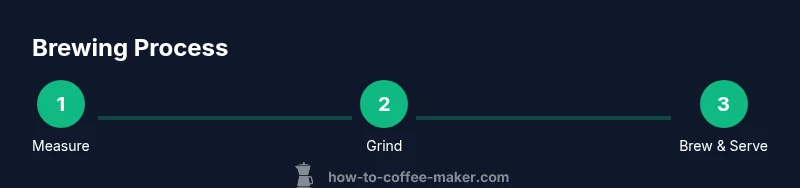
- 1
Measure coffee accurately
Place your carafe in place and ensure the machine is off. If you’re using a scale, weigh the coffee to achieve a 1:15–1:17 ratio for your desired brew size. This establishes a reliable baseline for flavor and extraction.
Tip: Consistency in dose yields predictable results across different beans. - 2
Grind to a medium consistency
If using whole beans, grind to a medium texture that resembles table salt. A uniform grind avoids channeling and uneven extraction, helping you avoid under- or over-extracted flavors.
Tip: Grind just before brewing for maximum aroma. - 3
Prepare clean water and filter
Fill the reservoir with cold water and ensure the filter is properly seated. A clean filter prevents papery flavors and improves clarity.
Tip: If your water is heavily chlorinated, filtered water improves taste. - 4
Load grounds and start the brew
Place the ground coffee in the filter, level the bed, and start the machine. Avoid tamping; let the machine do the work for even extraction.
Tip: Avoid overfilling the filter to prevent overflow. - 5
Let the brew finish and stand by
Allow the brew cycle to complete fully. If your machine has a pause feature, resist opening the lid mid-cycle to maintain stable temperature.
Tip: Warm the carafe before brewing to keep coffee hotter longer. - 6
Serve and clean promptly
Pour into a warmed mug and enjoy. Rinse the filter basket and carafe after use to prevent stale odors.
Tip: Rinse promptly to minimize residue and oil buildup.
Questions & Answers
Can I use a fine grind in a drip coffee maker?
Using a fine grind in a drip machine can over-extract and clog the filter, leading to bitter flavors. Stick to a medium grind for most drip brewers, and reserve fine grinds for espresso-focused equipment.
A fine grind in a drip maker can cause bitterness and clogging. Use a medium grind for most drip brewers.
How much coffee should I use for everyday brew?
Aim for a 1:15 to 1:17 coffee-to-water ratio as a starting point, adjusting slightly based on bean roast and personal taste. Use a scale for accuracy.
Start with a 1 to 15 to 1 to 17 ratio and adjust to taste.
Why is my coffee tasting weak?
Weak flavors usually come from too little coffee, too coarse grind, or under-brewing. Increase the dose slightly, grind finer, or extend the brew time a touch.
Weak coffee is usually under-brewed or under-dosed; try more grounds or a finer grind.
Is descaling necessary?
Descaling helps remove mineral buildup that can dull flavor and efficiency. Do it according to your machine’s guidance and water hardness, typically every few months.
Yes, descaling helps keep flavor strong and the machine efficient.
Can I use tap water instead of filtered water?
Tap water is acceptable when it tastes good; if it has strong odors or high mineral content, filtered water improves taste and extraction.
Filtered water often yields better flavor than hard tap water.
What maintenance helps preserve flavor the most?
Regular cleaning of the carafe and filter basket, plus periodic descaling, preserves flavor by preventing residue buildup and mineral scale from masking aroma.
Keep the machine clean and descaled to preserve flavor.
Watch Video
Key Takeaways
- Start with fresh grounds and clean equipment.
- Use a consistent coffee-to-water ratio (about 1:15 to 1:17).
- Water quality and grind size dramatically affect flavor.
- Regular descaling keeps flavor stable over time.
- Document your process to replicate your best brews.