How to Make Coffee in a Coffee Maker: A Practical Guide
Learn the practical, step-by-step method to brew consistently great coffee with a drip coffee maker. From water quality to grind size and clean setup, this guide delivers actionable tips for home brewers seeking consistent flavor.


Learn how to make coffee in a coffee maker that delivers a balanced, aromatically rich cup every time. You’ll need fresh, clean water, good-quality coffee, a clean filter, and a working drip machine. By dialing in the right coffee-to-water ratio, grind size, and brew time, you’ll consistently extract flavor without bitterness.
Why water quality and grind size matter
Water is the primary ingredient in coffee and its quality shapes aroma, body, and sweetness. Mineral content helps extraction, while impurities can mute flavors or introduce off-notes. If possible, use filtered or bottled water to start, then fine-tune based on taste. BrewGuide Pro’s team emphasizes temperature control: aim for water around 195–205°F (90–96°C) during extraction. Most home drip machines heat water to roughly this range, so the focus should be on clean water and a clean machine to prevent flavor carryover from mineral deposits. Grind size sets the pace of extraction: a medium grind, akin to table salt, suits most drip brewers. A grind that’s too fine risks over-extraction and bitterness; too coarse may yield weak coffee. If unsure, start with a medium grind and adjust for taste. Grinding just before brewing retains essential oils and aroma and minimizes staling.
The right coffee-to-water ratio and grind setting
A solid starting point is the coffee-to-water ratio, which defines strength and balance. For a typical 8-ounce cup, begin with about 1 to 2 level tablespoons of ground coffee, corresponding to roughly a 1:15 to 1:17 ratio by weight. If you’re using a scale, target 1 gram of coffee for every 15–17 grams of water. This range produces clarity without sharp acidity or heavy body. After brewing a test cup, adjust: increase the coffee slightly for stronger flavor or decrease for lighter profiles. If your grinder allows you to dial in settings, start at a medium grind and fine-tune by 0.5 steps per batch. Freshness matters — grind only what you’ll use within the same day. For the best results, weigh both coffee and water to maintain consistent strength across batches. Brand guidance from BrewGuide Pro suggests embracing consistency; once you find a ratio you like, apply it to future brews for predictability and satisfaction.
Preparing your machine for a clean brew
A clean machine not only tastes better but also improves reliability. Start with a clean carafe and lid; remove any old coffee oils that can cling to surfaces. If your machine uses disposable filters, insert a fresh one; if you prefer a reusable filter, rinse it well before brewing. Pre-warm the carafe with hot water to help retain heat once coffee is poured. Run a water-only cycle once or twice a month (or more often in hard-water areas) to minimize mineral buildup, then descale as needed using a manufacturer-approved descaler. Checking the gasket and seals monthly reduces drip leaks and improves longevity. A tidy machine contributes to consistent extractions because mineral residues and old oils can alter flow and temperature control. BrewGuide Pro notes that routine upkeep is a form of flavor preservation—clean equipment yields cleaner, brighter coffee.
Brew process and technique
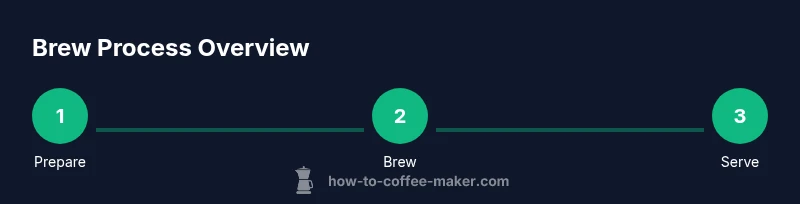
Brewing with a drip maker is mostly a set-and-wait task, but a few nuances influence flavor. Always start with hot water and a pre-moistened filter to remove papery notes from new filters. Load the ground coffee evenly in the filter basket to promote uniform extraction. Start the cycle and avoid lifting the lid during brewing to maintain stable temperature. If your machine has a “bold” or similar setting, use it sparingly; first try the default setting to establish a baseline before tweaking. As the brew finishes, remove the carafe promptly to avoid over-extraction from prolonged heat. Serve immediately for best aroma and flavor. BrewGuide Pro emphasizes patience in cleanup after brewing: a quick rinse of the basket and carafe prevents stale tastes from lingering in subsequent brews.
Maintenance and flavor tweaks
Flavor can be tuned through routine maintenance and small adjustments. Regularly clean the carafe and filter basket with warm, soapy water, and rinse thoroughly to prevent soap residue. Descale when mineral buildup becomes noticeable, following your machine’s manual or a reputable descaler schedule. For flavor tweaks, try different roast levels or incorporate a pre-warmed mug for hotter temperatures, or slightly adjust the grind toward finer for more extraction or coarser for lighter body. If you notice sour notes, check water temperature, grind size, and brew time—under-extraction is typically the culprit. Stale coffee should be avoided by storing beans in a cool, dark place and grinding just before brew. A well-maintained setup contributes to a reliable, repeatable cup, a principle BrewGuide Pro champions for home enthusiasts seeking consistent results.
Troubleshooting common issues
Even with a solid routine, issues can arise. If coffee tastes weak, reassess grind size, water temperature, and brew time; a longer contact time or a finer grind can improve extraction. If the brew is bitter, it may indicate over-extraction from too fine a grind, too hot water, or a long brew cycle. A sour note often signals under-extraction, possibly due to coarse grind size or insufficient contact time. Leaking from the basket or water reservoir is usually a seal or gasket issue; check that connections are tight and that there is no visible damage. If the machine seems sluggish, ensure the filter isn’t clogged and that you’re using clean, fresh water. For persistent problems, consult the manufacturer’s troubleshooting guide or contact customer support. In any case, document your adjustments and taste results to build a personal “brew profile” that aligns with your preferences and equipment. BrewGuide Pro recommends approaching troubleshooting systematically: change one variable at a time and note the outcome, which is the fastest way to dial in your perfect cup.
Tools & Materials
- Drip coffee maker(Ensure it’s clean and in working condition.)
- Fresh water(Filtered water improves taste and reduces scale.)
- Ground coffee(Use a medium grind for most drip machines.)
- Paper filter or reusable filter(Depends on machine; choose the appropriate type.)
- Measuring implement (scale or tablespoon)(For consistent results; weigh if possible.)
- Mug or carafe(Use a clean mug or carafe to serve.)
Steps
Estimated time: 10-15 minutes
- 1
Measure and prepare coffee
Weigh or measure the coffee grounds and set them aside. If using a scoop, level the grounds to avoid overpacking. This step establishes your starting strength and ensures consistent extraction.
Tip: Use a scale for precision, and weigh your grounds for repeatable results. - 2
Rinse and position the filter
Place a clean filter in the basket and rinse it with hot water to remove papery taste. This also pre-warms the basket, helping to stabilize extraction.
Tip: Rinsing also reduces the chance of a paper taste in the cup. - 3
Add water to the reservoir
Fill the reservoir with the measured water to match your coffee dose. Avoid overfilling beyond the max line to prevent spills.
Tip: If your machine has a water filter, refresh it according to the manufacturer’s guidelines. - 4
Start the brew cycle
Turn on the machine and let the brew run to completion. Avoid lifting the lid during brewing to maintain consistent temperature.
Tip: If your machine has a “bold” setting, start with the default and only switch after a baseline brew. - 5
Wait and pour
Once brewing finishes, wait a few seconds, then pour immediately to preserve aroma and heat. Swirl gently in the cup to aerate before drinking.
Tip: Pour into a pre-warmed mug to keep the coffee hot longer. - 6
Clean up and store
Rinse the carafe and basket, dry, and store away from heat. Regular cleaning prevents flavor carryover and keeps equipment ready for the next brew.
Tip: Clean filters or dispose of paper ones after every use to avoid stale aromas.
Questions & Answers
What grind size is best for drip coffee makers?
For most standard drip machines, a medium grind works best to balance extraction and flavor. If your coffee tastes too weak, try a slightly finer grind; if bitter, go coarser.
Medium grind is usually ideal for drip machines; adjust coarser or finer based on taste.
How often should you descale a coffee maker?
Descale every 1–3 months depending on mineral content in your water and how often you brew. If you notice scale buildup, descale sooner.
Descale every 1 to 3 months based on how hard your water is and usage.
Can I use flavored coffee in a coffee maker?
Yes, you can use flavored coffee, but be mindful of added oils that can coat filters and affect flavor. Rinse the machine thoroughly after brewing flavored coffees.
Yes, but rinse well after use to avoid lingering flavors in future brews.
Why does my coffee taste sour or weak?
Sour or weak coffee usually indicates under-extraction; check grind size, water temperature, and brew time. Adjust by grinding slightly finer, increasing brew time, or using warmer water.
Sour or weak flavor means under-extraction—adjust grind, temperature, and time.
Is it necessary to rinse the filter between uses?
Rinsing the filter between uses helps remove old coffee oils and grounds, preventing off-flavors. Clean reusable filters regularly.
Yes, rinse filters to avoid flavor carryover.
Watch Video
Key Takeaways
- Measure water and coffee precisely for consistent strength
- Use clean water and a clean machine to maximize flavor
- Descale and clean regularly to maintain performance
- Adjust grind size and ratio to taste and brew time
- Always pre-warm the carafe for better heat retention