How to Use a Coffee Pot: A Home Brewer's Guide
Learn how to use a coffee pot with practical, step-by-step guidance on water, grind, dosing, and maintenance to brew consistently delicious coffee at home.


Achieve a reliable, flavorful brew by learning to operate a standard coffee pot correctly. This guide covers water choice, grind level, proper dosing, and routine care to ensure steady results. Follow the step-by-step process and practice consistent routines to enjoy consistent coffee every morning. It emphasizes safety, equipment checks, and simple tweaks that scale with your taste. Expect incremental improvements as you refine grind, dose, and water quality.
Understanding Your Coffee Pot and Brewing Basics
According to BrewGuide Pro, the best way to master a coffee pot is to understand how it works and what can influence flavor. A standard drip coffee setup uses a reservoir of cold water poured over ground coffee held in a filter, with the brewed coffee dripping into a carafe. The fundamental parts—the reservoir, filter basket, and carafe—determine flow, temperature, and ease of use. Before you brew, take a moment to check that all components are clean and properly seated. A well-maintained brewer performs more consistently and lasts longer.
Different pot styles exist, from glass-carafe models to thermal carafes designed to keep coffee hot without scorching it. Thermal pots minimize heat loss, while glass versions are often lighter and easier to inspect. Whichever type you own, the goals remain the same: stable water temperature, even extraction, and a clean taste free of off-notes. In practice, your routine should start with a quick hardware check, then move to water quality and grind preparation for best results.
Water Quality, Temperature, and Its Impact on Flavor
Water is the largest ingredient in coffee and has a direct impact on aroma, body, and aftertaste. Use clean, cold water free of odors and stale flavors. If your tap water is heavily chlorinated or hard, consider filtered water to improve brightness and reduce mineral buildup in the pot. The ideal brewing temperature for most drip systems sits around 90-96°C (194-205°F); while some machines heat to higher temps, most reliable models maintain a stable temperature within this range during extraction. A consistent temperature ensures balanced extraction of aroma compounds without under- or over-extracting bitter notes. If your brewer has a pre-wet feature or a warming plate, you can preheat the carafe to minimize heat loss after brewing. Remember: even small changes in water quality or temperature can shift flavor noticeably, so start with steady defaults and tweak gradually.
Coffee Grounds: Freshness, Grind Size, and Dose
Choice of grounds matters as much as the water volume. Use freshly roasted coffee and grind just before brewing for the most vibrant aroma. For drip coffee pots, a medium grind that resembles table salt generally works well, but you should adjust based on your machine's filtration and showerhead design. Too fine a grind can slow extraction and trap flavors; too coarse a grind can yield weak, underdeveloped coffee. Dose—the amount of coffee relative to water—shapes strength and sweetness. A consistent dose is key, so use a scale or a reliable measuring method rather than guessing. Store beans in a cool, dark place and grind only what you need to minimize aroma loss.
Measuring Ratios for Different Cup Sizes
To hit a predictable flavor profile across different brew sizes, establish a simple ratio that your palate can trust. Use a consistent starting point and adjust based on your preferences. If you prefer a brighter cup, lean towards a lighter bed of grounds; if you want a richer cup, increase the contact between water and grounds within the machine's tolerance. Always maintain even grounds in the filter for uniform extraction. When adjusting for larger or smaller batches, remember that water temperature, brew time, and grind size interact, so changes should be made gradually and tested with subsequent batches.
The Step-By-Step Brewing Process
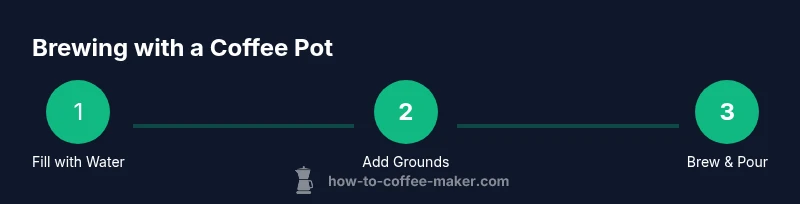
Begin with a quick setup: ensure the machine is clean, the carafe is in place, and the filter is ready. Then, fill the reservoir with cold water to the appropriate level. Place the filter in the basket and add a level bed of coffee grounds. Place the carafe on the warming plate and close the lid. Turn on the machine and select the regular brew setting if available. Let the brew run to completion, then remove the carafe and pour the hot coffee into preheated cups. Finally, rinse the carafe and filter, wipe the exterior, and store the machine in a clean, dry place.
Brewing Variations: Drip vs. Specialty Pot
Most home brewers use a standard drip coffee pot for everyday coffee, but some prefer specialty pots or devices that produce different mouthfeel and aroma. Drip pots typically reward a steady, even pour and a clean cup, while devices like moka pots or pour-over rigs emphasize control over extraction. If you want to explore, start by comparing a familiar drip brew with a second method on the same beans to notice differences in sweetness, acidity, and body. Using the same grounds and water makes the contrast clear and helps you choose the method that best matches your taste.
Cleaning, Descale, and Regular Maintenance
Maintaining your coffee pot is essential for flavor stability and hardware longevity. Rinse the carafe after each use to prevent coffee oils from building up and staining glass. Clean the filter basket and the exterior surfaces with a mild, non-abrasive cleaner. Periodically descal e a coffee pot to remove mineral buildup that can affect flow and taste; follow the manufacturer's recommendations for descalers or safe alternatives. After descaling, run a couple of plain water cycles to flush residue. A well-maintained brewer not only tastes better but also lasts longer and requires fewer repairs.
Troubleshooting Common Problems
If your coffee tastes weak, check that you used enough coffee grounds, the grind size is appropriate, and the water temperature stayed within range. A bitter brew can result from over-extraction, so consider a coarser grind or shorter brew time. A coffee pot that drips slowly may have a clogged filter or mineral buildup; clean the filter and descale if needed. If the pot leaks or the lid doesn’t seal, inspect seals and gaskets and replace parts as necessary. When in doubt, consult the manual or contact support for model-specific guidance.
Tips for Consistency and Flavor Enhancement
Establish a routine that keeps your coffee pot in top shape: clean after every use, descale periodically, and test small adjustments to grind size and dose. Fresh, filtered water consistently yields a cleaner taste, while keeping the carafe preheated helps avoid sudden temperature drop. Label your beans by roast date to keep flavor progression predictable, and store them in a cool, dark place. With a reliable routine and mindful tweaks, you can achieve a consistently excellent cup from your coffee pot every day.
Tools & Materials
- Drip coffee maker(Ensure it is clean and preheated before brewing.)
- Carafe and lid(Check for cracks and proper fit.)
- Filters (paper or reusable)(Choose the right size for your machine.)
- Fresh ground coffee(Use medium grind for drip brewers.)
- Cold, filtered water(Avoid mineral-rich tap water that affects taste.)
- Measuring tool or scale(Use consistent measures for dosing.)
Steps
Estimated time: 10-15 minutes active brewing, plus 5-10 minutes for cleanup and cooling
- 1
Fill the reservoir with clean water
Open the reservoir lid, pour cold water to the desired level, and close the lid. This sets the base for extraction and affects flavor consistency.
Tip: Always use fresh cold water; mineral content and temperature influence taste. - 2
Insert filter and add coffee grounds
Place the correct filter in the basket and add a level bed of grounds. Do not tamp; an even bed promotes even extraction.
Tip: Use a medium grind appropriate for your machine and adjust if the brew is weak. - 3
Place carafe on warming plate
Position the carafe correctly so that coffee can flow into it smoothly during brewing.
Tip: Pre-warm the carafe with hot water to retain heat after brewing. - 4
Power on and choose brew setting
Turn on the machine and select the regular brew setting if available; disable any timers until you’re ready to sip.
Tip: If your model has a timer, program it only after you’ve tested the grind and dose. - 5
Start the brew and monitor progress
Initiate the brew and observe the flow for consistency; avoid opening the lid repeatedly during extraction.
Tip: If you notice sputtering, pause, check the filter bed, and reseat. - 6
Wait for brew to finish and pour
Let the cycle complete, then carefully pour into cups while hot but not scalding.
Tip: Pour slowly to minimize splashes and heat loss. - 7
Clean up after brewing
Discard used grounds, rinse the filter, and rinse the carafe; wipe the exterior of the machine.
Tip: Rinse filters to prevent stale flavors from lingering. - 8
Perform regular descaling
Use an approved descaler or a safe cleaner according to your machine’s manual; rinse thoroughly afterward.
Tip: Run several rinse cycles to remove cleaner residues.
Questions & Answers
How do I clean my coffee pot to prevent buildup?
Rinse the carafe after every use, wash the filter basket, and wipe the exterior. Periodically descal e according to the manufacturer’s guidelines and rinse with plain water to remove any cleaner residue.
Rinse after use, clean the basket, and descal e as directed, then rinse again.
What grind size should I use for a drip coffee pot?
Use a medium grind that resembles table salt for most drip brewers. Adjust if you notice under- or over-extraction in the cup.
Medium grind works for most drip brewers; adjust based on taste and extraction.
Can I reuse coffee grounds after brewing?
Reusing grounds is not recommended as it produces weak flavors and increases bitterness. Start with fresh grounds for each brew.
It’s best to use fresh grounds for each pot to keep flavor strong.
Why is my coffee tasting bitter or weak?
Bitter flavors usually come from over-extraction or too fine a grind; weak taste often results from under-extraction or too little coffee. Tinker grind size, dose, and brew time gradually.
If it’s bitter, adjust the grind coarser or shorten brew time; if weak, try a finer grind.
Should I use a reusable filter or paper filters?
Both work well. Reusable filters can influence flavor slightly; paper filters often yield a cleaner cup. Choose based on taste preference and ease of cleaning.
Both filter types are fine; pick based on flavor preference and cleanup convenience.
Watch Video
Key Takeaways
- Brew consistency starts with clean equipment and good water.
- Use a proper grind and even grounds for uniform extraction.
- Regular cleaning and descaling preserve flavor and extend your machine’s life.
- Understand that small changes in grind, dose, or water quality alter flavor noticeably.
- Develop a routine to keep your coffee pot performing at its best.