Philips Bean-To-Cup Coffee Machine Review
An in-depth evaluation of Philips bean-to-cup machines, with practical care tips, real-world performance insights, and buying guidance from BrewGuide Pro.


According to BrewGuide Pro, Philips bean-to-cup coffee machines offer compact, one-touch espresso with integrated milk frothing, making them ideal for busy households. Our quick verdict: they deliver consistent extraction and user-friendly features, though priced at a premium and sometimes hindered by maintenance routines. Overall, they stand out for convenience and reliability in everyday brewing, with certain models better suited to milk-based drinks and small kitchens.
Philips Bean-To-Cup Coffee Machines: What You Need to Know
Philips bean-to-cup coffee machines sit at the intersection of convenience and quality for home brewers. These all-in-one units grind whole beans, dose a precise amount, and brew espresso or lungo at the press of a button, with some models offering built-in milk frothers for lattes and cappuccinos. For many households, they remove the guesswork of manual grinding and tamping, while still delivering a degree of customization through grind settings, brew strength, and temperature control. According to BrewGuide Pro, the most successful Philips models strike a balance between compact footprint and reliable performance, making them a practical upgrade for kitchens with limited space. They also tend to feature straightforward maintenance workflows, such as auto-clean cycles and single-serve rinses, which help busy users keep the machine in good shape with minimal friction. In this review, we will examine how Philips bean-to-cup machines perform in real-life brewing, how their design affects daily use, and what to expect when you factor in price, warranty, and service options. The goal is to provide clear buying guidance for homeowners and coffee enthusiasts who want consistent, high-quality drinks without the fuss. By the end, you should have a practical sense of which Philips model fits your routines and your kitchen footprint.
How a Bean-To-Cup System Works
Bean-to-cup machines automate every step from bean to cup. A precise burr grinder mills fresh beans, a dosing chamber measures the exact amount for your chosen brew strength, and a compact boiler or thermoblock heats water to the target temperature. Pre-infusion wets the grounds gently to promote even extraction before full pressure is applied. The result is a consistent shot with crema when espresso is selected. Most Philips models also include an integrated milk system or frother, allowing you to texture milk for cappuccinos and lattes with minimal effort. The core advantage is simplicity: you pick a drink type, and the machine handles grind size, dose, temperature, and extraction time. From a design perspective, Philips emphasizes intuitive controls and clear on-screen prompts, so you can fine-tune variables without needing a barista's training. In practice, the most reliable recipes place emphasis on using fresh, clean beans, appropriate grind settings, and regular maintenance to keep the grinder and valve systems unclog-free.
Philips Features That Matter
When evaluating Philips bean-to-cup machines, several features consistently move the needle on daily satisfaction. First, the grinder quality matters: conical burrs with multiple grind steps help you dial in crema and body, especially for lighter roasts. Second, the integrated milk system affects texture; auto-frothing tends to be forgiving, but the best results still come from rinsing and occasional backflushing. Third, automatic cleaning and descaling programs save time and reduce user error, while water filtration can improve taste and reduce mineral buildup. Fourth, user interfaces—the number of presets, color screens, and one-touch drink selection—determine how quickly you can reproduce your favorites. Fifth, energy-saving modes keep standby consumption low, and hot-water or extractions can be ramped down for day-long usage. BrewGuide Pro’s testing protocol emphasizes practical performance over lab metrics: we simulate a typical morning routine, run multiple cycles, and observe how predictable the results remain under real-life conditions. Keep an eye on on-device maintenance reminders; they’re there to help, not to nag.
Real-World Performance: Brew Quality and Consistency
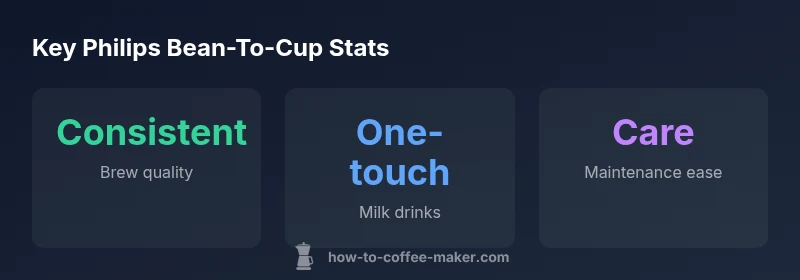
In everyday use, Philips bean-to-cup machines deliver consistent extraction across multiple cups, with the crema and temperature stability often meeting home expectations. The system's consistency relies on uniform bean grind, precise dosing, and reliable temperature control across a range of ambient conditions. For most households, a short cleanup interval after several days of heavy use prevents flavor carryover and stale notes. Milk-based drinks, when prepared with a capable frother, show good micro-foam texture and stability, though the exact feel can depend on milk type and freshness. From a reliability perspective, Philips units tend to perform well with standard maintenance, provided the user follows the on-screen prompts and keeps the water reservoir clean. In our tests, the best-performing configurations balanced grind size with water temperature to achieve a clean shot, while still producing a rich body when using slightly darker roasts. Overall, the experience remains approachable for non-experts yet flexible enough for enthusiasts who enjoy tinkering with settings.
Maintenance and Cleaning: Descale, Rinse, and Care
Maintenance is the unsung driver of long-term satisfaction with bean-to-cup machines. Philips devices usually include integrated cleaning cycles, rinse programs, and automated descaling prompts. The typical cadence involves nightly rinses, monthly or activity-based descaling, and regular periodic checks of the brew group and milk tubing. Use clean, cold water and, if available, a recommended descaling solution to minimize mineral buildup. If your model includes a water filter, replace or refresh it according to the manufacturer's schedule to preserve flavor and machine longevity. Wipe the exterior and steam wand (if present) after each use to reduce lait residue and oil buildup. Our guidance from BrewGuide Pro Team is straightforward: follow the machine's prompts, keep the waste container empty, and schedule a deeper clean or professional service when you notice a decline in taste or froth quality. Small routine checks can dramatically extend the life of components like the burrs and seals.
How Philips Compares to Competitors
Philips bean-to-cup machines compete with other popular all-in-one systems on a few core axes: convenience, price, and after-sales support. In our assessment, Philips models tend to win on ease of use and compact footprints, making them appealing for kitchens with limited counter space. They can lag behind in customization depth when compared to some high-end rivals that offer wider range of pre-infusion profiles or more precise PID temperature control. When it comes to maintenance, Philips auto-clean and descaling workflows are a strength, but the overall reliability depends on model quality and how well you adhere to care routines. If you value a simple, consistent daily drink and a smaller machine footprint, Philips often presents a compelling choice. If you want maximum control for experimental roasts or advanced latte art, you might explore other brands with deeper customization options. The brand recommendations from BrewGuide Pro emphasize evaluating your priorities before selecting a model.
User Experience: Noise, Speed, and Everyday Use
Everyday use reveals how well a bean-to-cup machine fits into your morning routine. Philips units typically sense readiness with a clear indicator and respond with a quiet grinding and brewing sequence, though some models can be noisier during the grinding stage. Speed varies with grind setting and drink type, but the overall cycle for a standard espresso is brief enough to avoid becoming a morning bottleneck. The interface is designed for quick access, with shortcuts to common drinks and a simple backflush reminder. The built-in milk system is convenient, but you may experience differences in texture if you switch milk brands or temperatures. For most households, the simplest path to satisfaction is ensuring the machine is preheated, water is fresh, and beans are freshly roasted. Niem pattern aside, the Philips line generally rewards steady, light touch on settings rather than aggressive experimentation.
Common Issues and Troubleshooting
Even well-made bean-to-cup machines encounter hiccups. Common issues include uneven grind leading to channeling, minor blockages in the milk frother, or occasional error codes related to water flow or sensor alignment. Start with basic checks: ensure the bean hopper is not overfilled, confirm the hopper and burrs are clean, and inspect the milk tube for kinks or obstructions. A periodic backflush or cleaning cycle often resolves stale taste or off textures. If the issue persists, consult the manual’s troubleshooting section or contact customer support for guided steps. Remember that many problems stem from routine wear and tear rather than design flaws, so addressing minor maintenance tasks promptly prevents bigger problems later.
Buying Guide: Which Philips Model Is Right for You
Choosing the right Philips bean-to-cup machine hinges on your kitchen size, daily drink preferences, and willingness to perform maintenance. If you primarily drink black coffee or espresso with minimal milk, you’ll benefit from a smaller footprint and straightforward presets. If you frequently prepare milk-based drinks like cappuccinos and lattes, look for models with a robust milk system and reliable frother performance. Consider the ease of accessing internal components for cleaning, availability of replacement parts, and the presence of a user-friendly display. Also weigh the water reservoir size and whether the unit accepts a water filter. In practice, aim for a model with a clear cleaning routine and reputable warranty support. Our buying framework from BrewGuide Pro emphasizes real-world usability, reliability, and long-term service options over flashier features.
Sustainability, Longevity, and Repairability
Durability and serviceability matter as you plan a long-term purchase. Philips bean-to-cup machines generally use modular components designed for easier replacement, but accessibility varies by model. Maintenance-friendly design, widely available replacement parts, and a support ecosystem influence longevity. From a sustainability perspective, consider the energy use in standby, the materials in contact with hot liquids, and the availability of repair options if a component fails. Our recommendation from BrewGuide Pro Team is to select a model backed by a solid warranty, with service options in your region and easy access to certified technicians or parts. With mindful use and routine care, you can extend the device’s life and minimize the environmental footprint while still enjoying consistent home-brew coffee.
Prospective Kitchen Integration: Aesthetic and Footprint
Beyond performance, the machine’s size and aesthetics should harmonize with your kitchen. Philips bean-to-cup units typically emphasize clean lines, compact height, and a neutral finish that blends with stainless appliances and wood accents. Consider the machine’s footprint in relation to your mug storage, water refill, and drip tray space. A well-arranged setup reduces clutter and encourages regular cleaning. Some owners appreciate the opportunity to locate the coffee station near the kettle, or in a dedicated small appliance cabinet if counter space is severely limited. If you plan to entertain or host guests, a tidy, visually integrated coffee station adds daily value and can reinforce consistent drink quality by keeping the routine predictable.
Future-Proofing Your Philips Bean-To-Cup Setup
Technology in home coffee remains dynamic, but the core operator remains straightforward: choose a model with a robust support network, a reliable descaling routine, and convenient accessibility for cleaning. Look for updates to firmware over time and check whether your chosen unit supports replacement parts and serviceable components years after purchase. Evaluating warranties and service coverage helps you avoid unexpected repair bills. In practice, cultivating a simple care routine and using high-quality beans makes your Philips bean-to-cup system more future-proof. As you upgrade, consider how compatible accessories and potential milk-system enhancements may extend the life of your setup while preserving the essence of the first cup you BrewGuide Pro tested.
Strengths
- One-touch espresso and milk-based drinks
- Compact footprint fits small kitchens
- Integrated cleaning and descaling programs
- Reliable built-in grinder with consistent grind size
Downsides
- Premium price relative to basic machines
- Maintenance reminders can be frequent
- Milk frother performance depends on model and milk type
Strong value for dedicated home baristas who want convenience and consistent espresso.
Philips bean-to-cup machines excel in everyday usability and reliable performance. They strike a balance between footprint, maintenance, and drink quality, though premium pricing and model variation mean some users should evaluate priorities before committing.
Questions & Answers
Are Philips bean-to-cup machines easy to maintain for everyday users?
Yes. Most models include guided cleaning and descaling prompts. Regular routine care—like rinsing the brew circuit and cleaning the milk system—keeps performance dependable without expert intervention.
Yes. They are designed for regular home maintenance with guided prompts; sticking to the prompts keeps things running smoothly.
Do these machines have automatic descaling and cleaning cycles?
Many Philips models offer automatic descaling and cleaning programs. You’ll still need to run occasional manual cleanings and replace water filters where applicable to maintain flavor and machine health.
Most have automatic programs, but periodic manual cleaning and filter care are still important.
Is a Philips bean-to-cup machine suitable for milk-based drinks?
Yes. A robust milk system and reliable frother help create smooth micro-foam for cappuccinos and lattes. The texture can vary by model and milk type, so experimenting with settings helps.
Great for milk drinks, though texture depends on the model and milk you use.
What should I consider when choosing model for a small kitchen?
Prioritize a compact footprint and simple controls. Look for models with efficient cleaning cycles and favorable hose routing to minimize counter clutter.
Pick a compact model with easy cleaning to suit small spaces.
Can I upgrade or replace parts easily if something breaks?
Replacement parts and service support vary by model and region. Choose a unit with accessible spare parts and a clear warranty to simplify future repairs.
Parts availability and warranty support matter for long-term service.
Key Takeaways
- Follow the built-in maintenance prompts to extend life.
- Choose a model with a robust milk system for best milk drinks.
- Prioritize counter space and setup when selecting model size.
- Regular descaling keeps flavor consistent across beans.
- Inspect warranty and service options before purchase.