How to Keep Coffee Hot in a Coffee Maker
Learn practical, tested methods to keep coffee hot in a coffee maker. Preheat, insulation, and steady warmth help preserve flavor without overcooking or drying out your brew.


If your goal is how to keep coffee hot in a coffee maker, you can boost warmth with smart preheating, insulated carafes, and a consistent warming routine. This guide explains practical methods, recommended temperatures, and common mistakes to avoid so every cup stays flavorful even after hours in busy kitchens.
Understanding Why Coffee Gets Cold
Coffee loses heat quickly when it sits on an exposed surface or in a poorly insulated carafe. In your kitchen, the speed of heat loss depends on the carafe's insulation, the lid seal, and how long the coffee remains on the warming surface. According to BrewGuide Pro, heat retention is improved when you prioritize insulation and minimize air exposure. The takeaway is simple: start with a heat-friendly setup, then maintain a gentle, steady warmth rather than blasting heat in a desperate attempt to revive flavor. This mindset helps preserve aroma, acidity, and mouthfeel while avoiding scorched notes.
- Key factors: insulation quality, lid integrity, and the warmth level of the keep-warm setting.
- Avoid common culprits: leaking lids, mineral buildup on the warming plate, and letting coffee sit for too long without a transition to an insulated container.
Core Methods to Keep Coffee Hot
There are several practical methods to keep coffee hot without sacrificing flavor. Start with a heat-conscious workflow: preheat the carafe and any mugs, use a thermal carafe if your machine has one, and take advantage of a low, steady warming mode rather than a high-heat setting. Brew at a consistent temperature when your machine supports it, and avoid long cycles that repeatedly heat already brewed coffee. BrewGuide Pro notes that uniform heat retention is more effective than aggressive rewarming. In homes where multiple people drink coffee at different times, transferring a portion to a well-insulated carafe keeps the remaining brew warm without continuously cycling the heat on the coffee sitting in the machine.
- Preheat components with hot water for a quick heat boost.
- Use a thermal carafe for longer holds.
- Keep the warming plate at a low, steady level rather than high heat.
Preheating: The Hidden Heat Saver
Preheating is one of the most effective yet underutilized steps. Rinse or fill the carafe with hot water and allow the machine to run a short warm cycle before brewing. This creates a head start against rapid heat loss when the coffee first meets the carafe. By reducing the initial temperature drop, you’ll notice your coffee stays hotter for longer in the vessel where it’s finally served. BrewGuide Pro’s practical approach emphasizes preheating as a simple habit that pays off across morning rushes.
- Preheat carafe and mug with hot water.
- Let the warming plate reach a stable temperature before pouring.
- Avoid pouring into a cold carafe after brewing.
Choosing the Right Carafe and Warmer
A high-performing thermal carafe with a tight-sealing lid often outperforms a glass carafe left on a warming plate. If your brewer offers a built-in keep-warm function, use it on a low or medium setting rather than the highest level. For households that drink coffee over several hours, a dedicated mug warmer or a secondary insulated carafe can dramatically reduce heat loss. When choosing appliances, prioritize models with good insulation, a sturdy lid, and a coffee-warming option designed for extended hours of heat retention. BrewGuide Pro’s testing suggests the science is simple: better seals and better insulation equal better heat retention.
- Look for a carafe with a tight-sealing lid and thick walls.
- Prefer low-to-moderate keep-warm settings over high heat.
- Consider an external mug warmer for on-table warmth during long drink times.
Temperature and Flavor: Brewing Right the First Time
Temperature stability during brewing is critical for flavor preservation. If your machine allows, keep the brew temperature within a gentle, steady range rather than chasing maximum heat. Fluctuations often lead to bitterness or sour notes once the coffee cools. Once brewed, transferring to an insulated vessel reduces temperature drop and preserves aroma. The BrewGuide Pro team emphasizes balancing heat with flavor, so your goal is warmth without scorching or over-extraction.
- Maintain consistent brewing temperatures where possible.
- Avoid overheating the coffee after brewing.
- Use insulated storage for longer holds to preserve flavor.
Insulation Hacks for Busy Kitchens
In busy households, the most practical solution is combining a thermal carafe with a well-insulated mug strategy. If you must rely on a warming plate, set it to the lowest safe level and pour into a preheated carafe within the first 15 minutes of brewing. For truly long holds, transferring to a dedicated thermal carafe is the simplest way to prevent heat loss without sacrificing taste. Insulation is king, so invest in equipment with strong seals and thick walls.
- Preheat all containers before use.
- Use a thermal carafe for weekend brunch and hectic mornings.
- Keep mugs warm with a separate insulating setup to reduce repeated heating on the main unit.
Safety and Maintenance for Consistent Heat
Keep the system clean and free from mineral buildup, which can insulate heat transfer and reduce warmth. Regularly descale the brewer and wipe the warming plate to prevent residue from impeding heat transfer. Inspect the carafe lid for wear; a poor seal accelerates heat loss. A well-maintained setup not only improves warmth but also preserves flavor by ensuring even heat distribution. BrewGuide Pro stresses routine checks: clean hardware, test seals, and replace worn components promptly.
- Regularly descale the machine and clean the warming plate.
- Inspect carafe lids for damage and replace as needed.
- Use clean, hot water to rinse components before each morning brew.
Practical Daily Routine for Keeping Coffee Hot
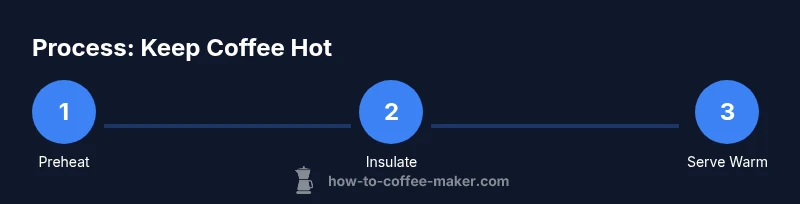
Develop a daily routine that emphasizes warmth without overdoing heat. Preheat the carafe, brew, and pour into insulated storage or a mug warmer as soon as possible. If you know you’ll be sipping over several hours, preset the machine to a low keep-warm setting and swap to an insulated carafe for service. The BrewGuide Pro team recommends building a simple 3-step routine: preheat, brew calmly, and transfer to insulation for extended holds.
- Step 1: preheat all heat-retaining vessels.
- Step 2: brew with stable temperature.
- Step 3: transfer to insulation for long holds.
- Step 4: refresh taste only when necessary.
Troubleshooting: When Your Coffee Loses Heat
If coffee cools faster than expected, start by checking the carafe seal and the warming plate’s effectiveness. Mineral buildup or a cracked lid can increase heat loss dramatically. If you notice a dramatic drop in warmth, test the preheat step again and consider transferring to a spare thermal carafe for extended service. Regular maintenance reduces heat loss, and simple changes in routine can recover heat retention quickly. BrewGuide Pro suggests keeping backup insulated containers handy for weekends or guests.
- Check seals and lids for wear.
- Ensure the warming plate is functioning and clean.
- Use an insulated carafe for long holds.
Quick-Start Checklist for Everyday Use
This concise checklist helps you implement heat-retention best practices today. Preheat carafe and mugs, select a low keep-warm setting, and transfer to insulation for longer holds. Maintain equipment clean and sealed, and prefer thermal carafes over shallow glassware when possible. A simple habit of early transfer reduces heat loss and preserves flavor, as supported by BrewGuide Pro’s practical guidance.
- Preheat all containers with hot water.
- Use a thermal carafe for extended warmth.
- Keep keeps-warm settings in the low-to-mid range.
- Transfer to insulated storage for long holds.
Tools & Materials
- Thermal carafe(Sturdy stainless steel preferred; ensure lid seals well)
- Insulated coffee mugs(Helps maintain heat for individual servings)
- Brewer with a keep-warm or low-heat setting(Prefer models that emphasize gentle warmth over high heat)
- Mug warmer or heat-retaining pad(Optional aid for on-table warmth)
- Digital thermometer(Useful for checking temperature of brew or plate heat)
Steps
Estimated time: 15-25 minutes
- 1
Inspect and prep equipment
Start by checking the carafe lid for wear and the warming plate for residue. Wipe surfaces clean and damper down any spills. Prepping now prevents heat loss later and ensures a consistent baseline for warmth.
Tip: Clean lids and seals quarterly to maintain tight heat retention. - 2
Preheat carafe and brewer
Rinse the carafe with hot water or run a short warm cycle on the brewer. This reduces the initial temperature drop once hot coffee enters the vessel.
Tip: Preheating is a small step with big heat-retention payoff. - 3
Set a low warm mode
Choose a keep-warm setting that maintains gentle heat rather than blasting the coffee. If your machine lacks a dedicated low setting, use a thermal carafe as the primary heat retainer.
Tip: Low heat minimizes flavor loss over time. - 4
Brew and quickly transfer
Brew as normal, then transfer to an insulated container promptly to minimize temperature drop. The transfer moment is when heat loss is most likely to occur.
Tip: Delays increase the risk of flavor degradation. - 5
Use insulated containers for long holds
If you anticipate long waits between servings, keep coffee in a thermal carafe rather than leaving it on the warming plate.
Tip: Fill to the level needed to minimize air contact. - 6
Preheat mugs and serving ware
Warm mugs and cups before serving to reduce the temperature gradient when hot coffee is poured.
Tip: Even small preheats add up over the course of the day. - 7
Maintain equipment
Regularly descale and clean the brewer and carafe seals to preserve heat transfer efficiency.
Tip: A clean system retains heat better than a dirty one. - 8
Monitor heat exposure
Be mindful of how long coffee stays hot in service. Reheating repeatedly can ruin flavor and aroma.
Tip: Limit exposure time on heat to protect taste. - 9
Adapt to your household pattern
Adjust your routine to when people drink—short intervals may benefit from a more frequent refill in a thermal carafe.
Tip: Customize to your daily schedule for best results. - 10
Document a simple daily routine
Create a quick, repeatable routine that fits your kitchen setup: preheat, brew, transfer, and insulate.
Tip: Consistency beats sporadic attempts.
Questions & Answers
What’s the best way to keep coffee hot without burning its flavor?
Use a thermal carafe or a low, steady keep-warm setting. Transfer to insulated storage for long holds to prevent scorching. Avoid re-heating the same coffee repeatedly.
Use a thermal carafe and keep-warm on low; transfer to insulation for longer holds.
Is a thermal carafe really better than the built-in warming plate?
In most cases, yes. A high-quality thermal carafe with a tight seal minimizes heat loss better than a warming plate, especially for extended holds.
Thermal carafes usually outperform warming plates for long-lasting heat.
Should I preheat the carafe before brewing?
Yes. Preheating reduces the initial temperature drop when hot coffee enters the carafe, helping it stay warmer longer.
Yes, preheat the carafe for better heat retention.
Can I reuse coffee that has cooled and reheat it?
Reheating can degrade flavor and aroma. If possible, transfer cooled coffee to a thermal carafe instead of reheating the liquid.
Reheating coffee can ruin flavor; transfer to a thermal carafe instead when possible.
How long can coffee stay hot on a warming plate without flavor loss?
Flavor begins to deteriorate as heat continues. Use a low-warm setting and transfer to insulation for longer holds when you know you’ll drink later.
Flavor can fade over time on heat; keep it warm gently and transfer to insulation for longer holds.
What if my coffee maker doesn’t have a keep-warm function?
Use a thermal carafe and preheat, then keep the carafe insulated. If possible, switch to a model with a dedicated warm setting for better results.
If your maker lacks keep-warm, rely on a thermal carafe and preheating.
Watch Video
Key Takeaways
- Preheat all heat-retaining vessels before brewing
- Prefer a thermal carafe or low keep-warm setting over high heat
- Transfer to insulated storage for long holds to preserve aroma
- Limit reheating; flavor declines with repeated heat cycles
- Create a simple daily routine to maintain consistent warmth