How to Use a Coffee Maker with Pods
Master pod-based coffee brewing with practical steps, compatibility checks, maintenance routines, and troubleshooting to extract the best flavor from your pod machine.


Using a coffee maker with pods is a quick, mess-free way to brew consistent cups. In this guide you’ll verify pod compatibility, choose the right size, and set proper water temperature and cup size. According to BrewGuide Pro, start with manufacturer-approved pods and a clean reservoir for best flavor. Ensure the machine is powered off before loading a pod and always use fresh water.
Understanding Pod Systems
Pod systems are designed to simplify at-home brewing by locking flavor into a pre-measured portion that fits a compatible brewer. They come in several formats, including proprietary capsules designed for a single brand and universal pods that promise cross-brand compatibility. Some pods are metal or plastic, others are compostable or reusable. The goal is consistent extraction with minimal mess, but the key to success is matching the pod to your machine’s design and seal. When done well, pods can deliver clean, balanced coffee with less cleanup than traditional ground coffee, while preserving aroma and crema where applicable. The BrewGuide Pro team emphasizes starting with reputable brands to minimize variability between batches and to reduce the risk of seal failure or leakage. In this context, you’ll also consider pod freshness, storage, and the impact of pod material on flavor and sustainability.
Pod Compatibility and Pod Types
Compatibility is the most critical factor when choosing pods. Always consult your machine’s manual to confirm which pod formats it accepts. Some devices require proprietary pods that only work with that maker’s model, while others support universal pods that fit a standard diameter and seal. When evaluating pod types, check the pod’s diameter, seal design, and whether it uses a foil lid or a snap-on lid that can affect how the pod seats in the holder. If your device offers a strong/regular brew option, experiment with different pod densities to gauge extraction strength. To avoid flavor inconsistencies, keep a small, rotating set of pod styles that are confirmed compatible with your unit and always ensure the pod sits level in its slot before brewing.
Prep, Water, and Cleaning Basics
Flavor starts with water quality. Use fresh, cold water every time and consider filtered water to reduce mineral buildup that can dull your cup and stress internal components. Before brewing, rinse the reservoir and lid to remove any old coffee oils. After brewing, rinse the pod holder and drip area to prevent oils from building up and potentially clogging the unit. If your machine has a cleaning cycle, run it with plain water periodically to purge oils. Regular quick cleans after each batch—wiping the exterior and seals—prolong the machine’s life and maintain consistent flavor. The BrewGuide Pro guidance stresses avoiding mineral-laden water and adhering to the manufacturer’s cleaning procedures for best results.
Brew Settings and Flavor Dialing
Pod brewing offers a streamlined approach to flavor customization. Start with a standard 6–8 oz (180–240 ml) cup as a baseline, then explore small adjustments to cup size, brew strength, and temperature if your model permits. Some machines provide a pre-infusion or extended contact time option that can intensify body and enhance sweetness in darker roasts. If you’re working with light roasts, a slightly hotter setting or longer contact time may extract more complex notes, while dark roasts can benefit from a gentler flow and shorter contact. Always taste and adjust gradually—small changes yield noticeable, repeatable differences.
Environmental Considerations and Pod Waste
Pod systems offer convenience, but consider environmental impact. If possible, use reusable pods filled with fresh coffee or choose compostable or recyclable pods where local facilities allow. Rinse pods promptly to avoid residue buildup that complicates recycling. Manage waste by storing unused pods in a cool, dry place and promptly discarding spent pods in an appropriate container. From a usage perspective, moderation and responsible disposal help minimize land-fill impact and support sustainable brewing without sacrificing flavor. Remember that waste reduction is part of the overall coffee experience, not just a side benefit.
Troubleshooting Common Pod Brew Issues
If a brew tastes weak, verify pod compatibility, ensure you’re using the recommended brew size, and confirm the pod is seated correctly. A misaligned pod or a clogged valve can block flow, resulting in weak extraction or uneven flavor. Leaks usually indicate a seal problem around the pod holder or a mis-seated lid; check those areas and wipe clean. If the machine fails to start after pod loading, confirm the reservoir is properly seated and the lid closed. For stale flavors, inspect pod freshness and storage conditions, and avoid leaving pods in humid or hot areas. Regular rinsing and a quick cycle with clean water can prevent buildup that dulls both aroma and taste.
Care, Descaling, and Long-Term Maintenance
Descaling should be performed according to the manufacturer’s guidance, particularly in areas with hard water. Use only descaling solutions approved for your device, and follow the recommended dilution and soak times to protect seals and gaskets. After descaling, run multiple clean-water cycles to purge residues and restore optimal temperature. Establish a simple routine: weekly quick cleans, monthly internal checks, and quarterly descalings if your water is hard. A well-maintained pod machine delivers consistent flavor and extends the device’s lifespan.
Tools & Materials
- Pods (coffee pods)(Use manufacturer-approved or compatible pods; check your machine’s compatibility)
- Fresh water(Use clean, cold water; filtered water is preferred)
- Mug or cup(Pre-warm if possible)
- Measuring pitcher or bottle(Helpful for filling the reservoir on some models)
- Soft cloth or sponge(For quick wipe-downs after brewing)
- Descaling solution(Only when descaling according to manufacturer schedule)
Steps
Estimated time: 10-15 minutes for setup; 2-3 minutes per brew
- 1
Check pod compatibility and machine readiness
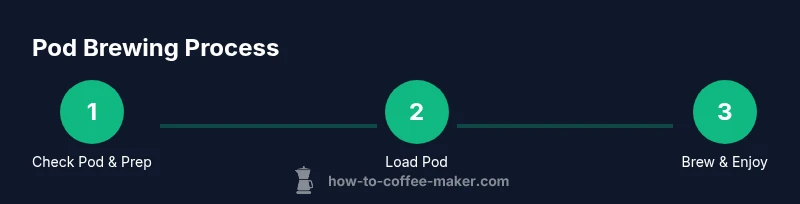
Power off the machine and review your pod options before loading. Confirm the selected pod type matches your machine’s compatibility list and verify the water reservoir is clean and filled with fresh water to the recommended level. If necessary, consult the user manual for any model-specific quirks.
Tip: Always start with manufacturer-approved pods to avoid clogs or misreads. - 2
Load the pod correctly and seat it
Open the brew compartment, place the pod in the holder, and ensure it sits flat without crimping or tearing. Close the lid securely and wipe away any loose coffee grounds from the rim to prevent leaks.
Tip: Don’t force the pod; pressure can distort the seal and affect extraction. - 3
Fill water reservoir and align for brew
Fill with clean cold water up to the max line indicated by your machine. Ensure the reservoir is firmly seated and free of debris. If your model uses a water filter, replace it according to the manufacturer’s schedule.
Tip: Filtered water minimizes mineral buildup and improves flavor. - 4
Select brew size and settings
Choose the desired cup size and, if available, strength or aroma settings. Some machines offer pre-infusion or extended brew options for richer flavor. Confirm the machine is set to a standard brew temperature (usually around 90-96°C) if adjustable.
Tip: For a stronger cup, choose a smaller volume and a longer contact time. - 5
Start the brew and monitor
Place your mug on the drip tray, start the cycle, and observe for any leakage or unusual sounds. If your machine supports a programmable shutoff, enable it to prevent overflows.
Tip: Do not leave a full mug unattended during brewing. - 6
Rinse and perform post-brew cleanup
After brewing, run a short clean water cycle or manually rinse the pod holder. Wipe the area and discard the used pod properly. Allow the machine to cool before removing the drip tray for cleaning.
Tip: Always finish with a quick rinse to prevent coffee oils from sticking.
Questions & Answers
Are all coffee pods compatible with every pod-enabled machine?
Not all pods fit every machine. Check the user manual for supported pod formats and any diameter or sealing requirements.
Compatibility depends on your model; check the manual for supported pod formats.
Can I reuse a pod?
Pods are designed for single use. Reusing can lead to weak flavor and possible contamination.
Pods are for one-time use; reuse is not recommended.
Why is my brew weak or sour?
Possible causes include incompatible pod, insufficient water, or incorrect brew settings. Try a compatible pod, adjust water amount, and reset settings.
Weak flavor? Check pod compatibility and water amount.
How often should I descale or clean my pod machine?
Follow the manufacturer’s recommendations for descaling and consider your water hardness. Regular cleaning prevents buildup and clogs.
Descale according to the maker’s schedule.
Can I make iced coffee with pods?
Yes. Brew a stronger concentrate with a smaller cup size or use a dedicated iced coffee setting if available, then chill the cup quickly.
Yes, you can. Just adjust brew and chill fast.
Are there safety concerns with hot water?
Always handle hot components with care and use heat-resistant mugs. Let the machine cool before touching internal parts.
Be careful with hot surfaces and components.
Key Takeaways
- Verify pod compatibility before brewing
- Use fresh water and reputable pods
- Dial in brew size and strength for flavor
- Maintain regular cleaning and descaling as per the manual