How to Self-Clean a Cuisinart Coffee Maker
Learn how to safely self-clean your Cuisinart coffee maker. This BrewGuide Pro step-by-step guide covers when to descale, how to run the cycle, rinse thoroughly, and maintain peak flavor over time.


Goal: safely reset and remove mineral buildup from a Cuisinart coffee maker using the built-in self-clean cycle or an approved descaling method. You’ll need water, an approved descaler or white vinegar, and a clean carafe. This guide walks you through when to descale, how to run the cycle, and how to rinse for optimal performance.
Understanding Cuisinart Self-Clean Features
Cuisinart coffee makers are designed with a built-in cleaning mechanism that helps remove mineral buildup that accumulates from daily use. The self-clean feature is intended to simplify descaling, but the exact process can vary by model. In general, you’ll be guided by a cycle that uses hot water and a cleaning solution to circulate through the heater and circuitry, dislodging coffee oils and mineral deposits. For best results, always consult your model’s user manual to confirm whether it supports a built-in self-clean cycle and which cleaning agents are approved. According to BrewGuide Pro, staying aligned with manufacturer recommendations protects internal components and preserves taste. Fresh data and guidance from the BrewGuide Pro Team emphasize using a descaler that is explicitly labeled safe for coffee makers and avoiding substances that could harm seals or filters. Keeping your Cuisinart clean helps maintain aroma, avoids off-flavors, and extends the life of your brewer.
When to Clean Your Cuisinart Coffee Maker
Mineral buildup is a natural part of using any coffee maker, especially in areas with hard water. If you notice slower brewing, a cloudy carafe, off-tasting coffee, or a sour odor when you pour, it’s time to clean. Regular maintenance reduces the risk of mineral crusts forming on water tubes and the hot plate. BrewGuide Pro recommends scheduling a descale when you consistently detect changes in flavor or brewing speed, and more frequent cleans are warranted in regions with hard water. The goal is consistent performance and flavor without lengthy downtime.
Choosing a Descaling Method
There are two common paths for descaling: using a commercially formulated descaling solution or applying distilled white vinegar. Descale solutions labeled safe for coffee makers are designed to be effective while gentler on seals and gaskets. Vinegar is a traditional option, but it isn’t universal—some Cuisinart models or user manuals advise against vinegar due to potential odor or residue. Always check your specific model’s manual before choosing a method. If you opt for a commercial descaler, follow the package directions precisely, including dilution ratios and contact times. BrewGuide Pro’s analysis underscores that following the manufacturer’s guidance yields the safest, most reliable results and preserves machine longevity.
How to Prepare for the Self-Clean Process
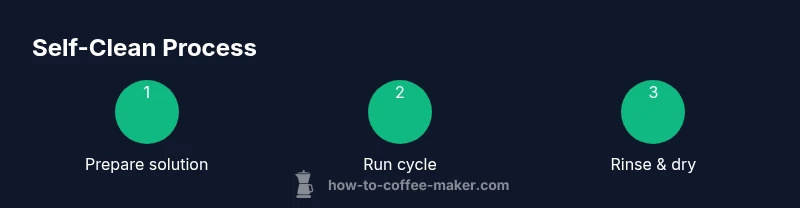
Before you begin, unplug the machine and remove any removable parts such as the filter basket and carafe. Rinse these components with warm water to eliminate loose coffee residues. Decide which cleaning agent you will use—descaling solution or vinegar—and prepare the reservoir accordingly. If using a descaler, mix it with water per package instructions. If using vinegar, dilute with water to the recommended ratio. Lay out a clean towel or cloth to catch any drips and have a timer handy so you don’t overlook cycles. This prep minimizes mess and ensures the cycle runs smoothly.
What to Expect During the Self-Clean Cycle
During the cycle, the machine will circulate the cleaning solution through the hot water path, soaking internal tubing, and rinsing channels. Depending on the model, this process may take multiple passes and can include pauses as the solution soaks through deposits. It’s important not to remove parts or interrupt the cycle unless the machine instructs you to do so. After the program completes, you’ll typically need to run one or more plain water rinses to flush out any cleaning solution and residues. Expect a brief period of steam and a noticeable aroma as oils and mineral films are displaced, followed by a cleaner overall taste profile in future brews.
Rinsing and Drying for Best Flavor
Rinsing is a critical step after descaling. Run at least two fresh-water cycles, emptying the carafe between runs to ensure any residual cleaner is removed. If your model has a reset option or a second rinse mode, use it to maximize cleanliness. After the final rinse, remove all parts and dry them thoroughly before reassembly. Wipe down the exterior to remove any splashes and prevent smudges. Once dry, fill the reservoir with clean water and brew a test cup to verify the water’s clarity and aroma, confirming the descaling was successful.
Troubleshooting Common Issues After Self-Clean
If flavors persist or you notice a persistent odor after cleaning, re-run a clean cycle with fresh water and inspect seals, gaskets, and the carafe for trapped residues. Check the screen and filter basket for buildup and clean as needed. If the water still appears cloudy or tastes odd, consider repeating the rinse sequence or using a different descaling product recommended for coffee makers. Ensure proper drying and air circulation to prevent musty smells. BrewGuide Pro suggests documenting your cleaning schedule to track when mineral buildup reappears and adjust frequency accordingly.
Maintenance Habits to Extend Brewer Life and Flavor
Regular maintenance reduces the frequency of heavy descaling. Use filtered or bottled water to minimize mineral content and wipe the exterior weekly to prevent coffee oils from solidifying on surfaces. Periodically clean the carafe, basket, and lid with warm soapy water and ensure the drip tray is free of spills. If you reside in a hard-water region, you might alternate between a gentle rinse and a full descalation cycle to keep deposits from accumulating. These practices help maintain consistent flavor, reduce the risk of scale-induced hot spots, and preserve heating performance over time.
Common Mistakes to Avoid During Self-Cleaning
Avoid running a cleaning cycle with expired or incompatible cleaning agents. Do not ignore the manual’s recommendations about descalers and rinse times. Skipping the final rinse can leave residues that alter taste, and neglecting to dry components may invite mold growth in damp crevices. Don’t improvise with aggressive cleaners, as harsh chemicals can damage seals and wicks. Adhering to manufacturer guidance and using appropriate agents is essential for safe, effective self-cleaning.
Tools & Materials
- Distilled white vinegar(Use only if model/manual permits; some manuals advise against vinegar.)
- Commercial descaling solution (coffee maker safe)(Follow product directions for dilution and contact time.)
- Water (fresh, cold)(For descale solution and for rinses; filtered water reduces mineral load.)
- Carafe (clean, empty)(Used for cycles and rinsing; ensure it’s dishwasher-safe if you plan to clean it in the dishwasher.)
- Soft cloth or towel(Dry surfaces and wipe spills after cycles.)
Steps
Estimated time: 60-90 minutes
- 1
Gather cleaning supplies and prepare workspace
Collect your descaling solution or vinegar, water, and a clean carafe. Unplug the unit and remove any removable parts. Set out a towel to catch drips and clear a space so you won’t spill when transferring hot water. This preparation reduces mess and confusion during the cycle.
Tip: Have a timer ready, so you don’t miss soak times or rinse cycles. - 2
Decide on the cleaning method
Choose either a commercial descaler or vinegar, depending on your model’s guidance. If using a descaler, follow the package’s dilution instructions. If your manual allows vinegar, dilute with water as recommended. This choice determines the dilution ratio and soak times for optimal results.
Tip: Double-check your model’s compatibility to avoid damage. - 3
Fill reservoir and start the cycle
Pour the cleaning solution into the reservoir according to your chosen method. Fill with fresh water for rinsing later. Activate the self-clean cycle if your model has it, or run the descaling cycle manually if required. Do not interrupt the cycle unless the manufacturer instructs you to.
Tip: Do not use hot water directly; use the recommended temperature. - 4
Allow soak time if required
Some models pause to let the solution soak deposits in place. If your model instructs you to pause, don’t bypass the interval. This soaking helps dissolve mineral buildup more effectively than a single pass.
Tip: Set a timer to avoid over-soaking and potential odor build-up. - 5
Rinse with fresh water cycles
Once the cleaning cycle completes, run multiple full-water cycles with the carafe in place to flush any cleaner out. Repeat until the water runs clear and the aroma is neutral. This step is critical to prevent lingering flavors.
Tip: Use a fresh carafe and avoid mixing residues with future brews. - 6
Final dry and test brew
Wipe down exterior and parts, let everything dry completely, and run a test brew with plain water. Assess whether flavors are back to baseline. If not, you may need an additional rinse cycle or a repeat of the cleaning sequence.
Tip: Keep a log of the steps and times for future reference.
Questions & Answers
Can I use vinegar in my Cuisinart coffee maker self-clean process?
Vinegar is sometimes an option, but it isn’t guaranteed for all models. Always check your manual before using vinegar. If allowed, dilute properly and complete a thorough rinse afterward.
Vinegar can be used on some models if the manual allows it, but you must rinse well afterward.
What descaling solution should I use with a Cuisinart coffee maker self-clean?
Choose a descaling solution labeled safe for coffee makers and follow the package directions for dilution and contact time. This helps protect seals and filters while removing buildup.
Use a descaler designed for coffee makers and follow the label instructions.
How long does the self-clean process take?
The duration varies by model and method, but plan for a series of cycles that may take up to a full hour or more, including multiple rinses. Always follow your model’s timing guidelines.
expect a longer process that includes cycles and rinses; check your model’s times.
My coffee tastes off after cleaning—what should I do?
Rinse more cycles with fresh water and brew a test cup to verify. If off flavors persist, repeat the rinse or consult the manual for model-specific advice.
If the taste is off, run more rinses and test with water first.
Is self-cleaning safe for all Cuisinart models?
Most Cuisinart coffee makers offer a self-clean or descaling option, but always consult your model’s manual to confirm compatibility and recommended method.
Most models support cleaning, but check your manual for model-specific steps.
How often should I descale my Cuisinart coffee maker?
Descale based on water hardness and usage; high mineral content means more frequent cleaning. Use your manual’s guidance and your taste tests to determine frequency.
Clean as mineral buildup becomes noticeable and adjust to your water hardness.
Watch Video
Key Takeaways
- Follow manufacturer guidance for self-cleaning to protect components.
- Use the right descaler and thorough rinsing to restore flavor.
- Regular maintenance with filtered water extends brewer life.