Drip Coffee Maker Manual: Setup, Use & Care Guide
Practical, step-by-step instructions to set up, operate, clean, descale, and troubleshoot a drip coffee maker. Learn how to optimize flavor, maintain the machine, and avoid common pitfalls with expert guidance from BrewGuide Pro.


Use this guide to master your drip coffee maker with a clear, model-specific manual. Learn setup, operation, cleaning, descaling, and basic troubleshooting to brew consistently delicious coffee at home. Follow step-by-step instructions, avoid common mistakes, and maintain your machine for years of reliable performance. It covers grind calibration, water temperature, and brew time to suit your taste, with practical tips drawn from BrewGuide Pro expertise.
What the drip coffee maker manual covers
A drip coffee maker manual is more than a quick-start guide; it is the blueprint for safe operation, consistent flavor, and long-term reliability. In this section we outline what you should expect to find, from model-specific setup instructions to preventive maintenance schedules. For homeowners and coffee enthusiasts, understanding the manual helps you tailor the brew to your taste while avoiding common mistakes such as overfilling baskets or using damaged filters. According to BrewGuide Pro, a thorough manual consolidates safety warnings, care steps, and troubleshooting tips in one accessible reference. The drip coffee maker manual typically covers: installation basics, water and filter requirements, daily use steps, cleaning routines, descaling guidance, and when to contact support. It may also provide model-specific diagrams, part numbers, and user tips. Familiarize yourself with the controls, the location of the reservoir, and the type of filter your unit uses. This foundation makes every subsequent step simpler, whether you own a compact single-serve model or a heavy-duty home brewer.
Understanding the basics of drip brewing
Drip brewing employs hot water poured over ground coffee that passes through a filter, yielding a clean, balanced cup. The process relies on stable water temperature, uniform extraction, and a predictable contact time. In a typical drip system, grind size, filter type, and carafe shape influence flavor and aroma. The manual often explains how to set up the machine, how to prime the filter basket, and how to verify that nothing obstructs the water path. Understanding these basics helps you diagnose why a brew might taste flat or sour and guides you toward improvements without expensive equipment.
Pre-brew prep: water, filters, and grind
Quality starts before the machine fires up. Begin with clean water and a fresh filter. The manual usually specifies the right filter type and whether a paper or reusable basket is preferred. Water quality matters: filtered water or water with balanced mineral content can improve extraction and taste. Grinding fresh beans just before brewing is essential, but the grind should suit the machine’s basket size—too coarse or too fine will change contact time and strength. If you’re unsure, start with a standard medium grind and adjust after your first few brews.
Setup and operation: from unplugged to Brew
Before brewing, place the machine on a stable, heat-resistant surface away from sinks and heat sources. Plug in the unit and ensure the reservoir is properly seated. Rinse the carafe and filter basket to remove dust and packaging residue. Install the correct filter, add ground coffee, and fill the reservoir with the appropriate amount of water as specified in the manual. Start the brew cycle and observe the flow; if the stream is irregular or stalls, consult the troubleshooting section in your manual before taking drastic measures.
Measuring for flavor: ratios and grind size
Flavor precision comes from consistent ratios and grind size. The manual often suggests a starting point—such as a standard measure per cup—and recommends adjusting based on taste. Keep grounds level and avoid tamping; unlike espresso, drip coffee relies on gravity and pour rate, not pressure. If you notice weak flavor, increase the coffee amount slightly or adjust the grind to be slightly finer. Conversely, if the brew is bitter, try a coarser grind or slightly less coffee. Keeping notes helps you dial in your preferred profile over time.
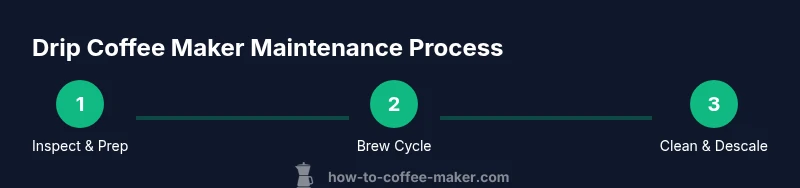
Cleaning and descaling routine
Regular cleaning extends the life of your drip coffee maker and preserves flavor. The manual should outline daily quick-clean steps (rinse carafe, wipe the exterior) and periodic deeper cleaning. Descale the brew path and reservoir to prevent mineral buildup, following the recommended descaling interval and product guidance. Rinse thoroughly after descaling to avoid any lingering taste. A clean machine produces clearer flavors and prevents foul odors from stale coffee oils.
Troubleshooting common issues
Brewing problems often fall into a few categories: weak or sour coffee, slow or no flow, leaks, or unusual noises. Use the manual’s troubleshooting flowchart to diagnose issues like stale beans, clogged filters, or an incorrectly seated reservoir. Try routine fixes first—switch filters, clean debris from the basket, or replace a worn seal. If the device still misbehaves, consult the manufacturer’s support resources or seek authorized repair services.
Enhancing flavor with water and filters
Flavor improvements come from water quality and appropriate filtration. The manual may recommend using filtered water, cleaning the reservoir regularly, and replacing filters on schedule. Some machines offer carbon or mineral filters; these can adjust mineral content, which affects taste and stability of extraction. Pair this with properly stored beans, a clean grinder, and accurate measurements for a consistently pleasing cup. Small tweaks can make a noticeable difference over time.
Safety and maintenance reminders
Safety comes first. Always unplug the machine before cleaning, never immerse the base in water, and avoid contact with hot surfaces. Use non-abrasive cleaning tools and mild detergents. Regular maintenance reduces the risk of mineral buildup and electrical faults. Keep accessories in their designated places, check for worn gaskets or seals, and replace parts only with compatible components from the manufacturer. Proper care minimizes safety hazards and ensures reliable performance.
When to replace components and upgrade
Even well-maintained drip coffee makers have a finite lifespan. The manual may indicate replacement intervals for gaskets, seals, and hoses or recommend upgrading after a set period or when performance declines. When you notice persistent leaks, inconsistent brewing, or frequent malfunctions despite proper cleaning, consider replacing worn parts or upgrading to a newer model with improved efficiency and features. A well-chosen upgrade can improve flavor, energy use, and convenience.
Tools & Materials
- Drip coffee maker(Any standard drip model with a carafe and filter basket)
- Paper coffee filters(Choose size compatible with your basket)
- Measuring tool (scale or scoop)(Prefer a digital scale for accuracy)
- Carafe(Ensure lid is intact and clean)
- Water (fresh, filtered preferred)(Use clean water to improve flavor)
- Soft cloth or sponge(For daily wipe-downs and gentle scrubbing)
- Descaling solution or white vinegar(Use per manufacturer guidelines if descaling is needed)
- Mild dish soap(For occasional cleaning of exterior parts)
- Replacement parts (optional)(Check compatibility with your model)
Steps
Estimated time: 20-35 minutes
- 1
Check brewer and supplies
Power off the unit and inspect the exterior for damage. Gather filters, carafe, scoop or scale, and clean cloth. Confirm the water source is available and the reservoir seats properly.
Tip: Having a tidy workstation prevents misplaced parts and speeds up setup. - 2
Rinse carafe and basket
Rinse the carafe and filter basket with warm water to remove dust and packaging debris. This helps prevent any paper taste from transferring to the brew.
Tip: A quick rinse also pre-heats the carafe for better heat retention. - 3
Measure coffee and fill reservoir
Place a clean filter in the basket and measure the coffee. Use your scale for accuracy, or start with the manufacturer’s recommended scoop per cup and adjust after tasting.
Tip: Record your measurements to track flavor changes across batches. - 4
Place filter and add grounds
Add the ground coffee to the filter, ensuring an even level without tamping. A level bed promotes uniform extraction as water passes through.
Tip: Avoid grounds touching the rim of the filter to prevent overflow. - 5
Start brew and monitor
Fill the reservoir with the recommended amount of water, start the brew, and observe the flow. If the stream seems slow or uneven, stop and check for clogs or mis-seated parts.
Tip: If your machine has a warming plate, consider pouring coffee promptly to avoid over-brewing. - 6
Finish and serve
Allow the brew to finish, then promptly remove the carafe and pour. Leaving coffee on the warming plate too long can dull flavor.
Tip: Rinse the filter and carafe between uses to maintain cleanliness. - 7
Clean after brewing and descale
Rinse the basket, carafe, and filter once cooled. Perform a descaling cycle according to the manual when mineral buildup becomes noticeable.
Tip: Regular descaling prevents bitter flavors and improves reliability.
Questions & Answers
How often should I descale my drip coffee maker?
Most manufacturers recommend descaling every 1-3 months depending on usage and water hardness. If your brew tastes off or the water flow slows, consider descaling sooner.
Descale every few months or sooner if flavor changes or flow slows.
Can I use filters from other brands?
Yes, as long as the filter fits the basket and the material is compatible with hot water. Always verify fit before brewing.
Yes, use a compatible filter that fits your basket.
Why is my coffee tasting weak?
Weak flavor usually means too little coffee, too coarse a grind, or too little contact time. Try a slightly finer grind, more grounds, or a small increase in brew time.
Weak flavor often means not enough coffee or grind is too coarse.
Is it safe to run a cleaning cycle with just water?
Running a water-only cycle is common for flushing the system, but follow the manufacturer’s guidance to avoid damaging seals or filters.
Usually fine, but check your manual before running a water-only cycle.
What water temperature is ideal for drip brewing?
Aim for hot water just below boiling. Most drip brewers perform best around the mid- to high- range temperatures for balanced extraction.
Hot water near boiling temperature gives the best balance.
How do I replace the carafe lid?
Consult the user manual for compatible replacement lids and model-specific steps. If the lid is cracked, replace it to prevent spills.
Check your manual for the right lid replacement steps.
Watch Video
Key Takeaways
- Know what your manual covers and follow model-specific steps.
- Use clean water and fresh filters for best flavor.
- Descale regularly to prevent mineral buildup.
- Clean daily to maintain performance and taste.
- Tune grind size and dosage to suit your palate.