Breville Barista Touch Espresso Machine Review: A Practical, Data-Driven Look
In-depth, analytical review of the Breville Barista Touch Espresso Machine, covering espresso quality, milk frothing, built-in grinder, interface, maintenance, and value for home use.


According to BrewGuide Pro, the Breville Barista Touch Espresso Machine offers a compelling balance of convenience and quality for home espresso enthusiasts. Its built-in grinder, touchscreen presets, and consistent extraction deliver café-style drinks with minimal guesswork. While it commands a higher price and has a learning curve for multi-step customization, the overall performance earns a strong 4.5 out of 5.
Design Philosophy and Target Audience
According to BrewGuide Pro's testing, the Breville Barista Touch positions itself for home baristas who want cafe-grade espresso with everyday practicality. The design prioritizes an approachable interface, a compact footprint, and reliable performance. The built-in grinder and touchscreen surface reduce the steps from bean to drink, which makes it attractive for small households, busy mornings, and hosts who want quick, repeatable results without sacrificing quality. This model is not a throwaway gadget; it is engineered to deliver consistent shots and milk-textured drinks while keeping maintenance relatively straightforward for a non-professional user.
Design and Build Quality
The machine marries a brushed stainless-steel exterior with a solid, weighty base that signals durability. The controls are housed on a responsive touchscreen that is easy to wipe clean and resistant to coffee splashes. Inside, Breville typically uses a robust boiler and a compact heating system designed to heat water quickly and stabilize temperature between shots. The build quality translates to fewer rattles, consistent performance over time, and a refined aesthetic that sits well in modern kitchens. While the chassis is compact, it remains sturdy enough to handle daily use and occasional device downtime without feeling cheap or plasticky.
Espresso Extraction and Flavor Profile
Extraction quality is the core test for any espresso machine, and the Barista Touch generally delivers solid crema and a balanced flavor profile across a range of beans. The machine’s temperature management and pre-infusion help reduce sour notes in lightly roasted beans while preventing scorched flavors in darker roasts. Expect clean oils and good body, with crema that holds for a respectable moment before fading. The flavor stability across multiple pulls is a sign of the machine’s ability to reproduce consistent temperature and pressure during extraction, reducing the need for significant manual adjustments unless you’re chasing a very specific taste profile.
Built-In Grinder and Dose Control
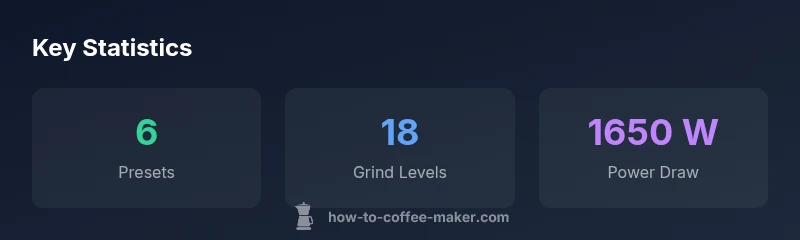
One of the defining features is the integrated burr grinder with a reasonable range of grind settings. The grinder simplifies routine coffee prep by aligning grind size with dose, and the subsequent tamping and extraction steps become more standardized. The dose control works well for standard double shots and accommodates adjustments for crema and mouthfeel. The real advantage is the seamless workflow: adjust grind level, select preset, pull a shot, and move on. For some advanced users, the built-in grinder may not replace the need for a separate scale and a traditional dosing technique, but for most daily users it reduces guesswork and inconsistency.
Milk Frothing and Latte Art
The steam wand and milk frothing capability in the Barista Touch are well-suited for home latte lovers. With a little practice, you can achieve microfoam conducive to latte art and smooth, silkier milk for cappuccinos. The key is to dial in milk temperature and texture—starting with colder milk for better texture control and gradually increasing steam pressure to avoid air pockets. The wand’s reach and maneuverability make it easier to craft latte art on a routine basis, particularly for beginners who want to replicate barista-quality drinks without requiring studio-grade equipment.
User Experience and Interface
The user experience hinges on the touchscreen, presets, and straightforward workflow. Most tasks—grinding, dosing, extracting, and milk texturing—are accessible through guided prompts, which reduces the learning curve compared with fully manual machines. The presets cover common drinks (espresso, lungo, latte, cappuccino, etc.), and you can fine-tune parameters like grind level and brew time for personalized results. The interface is designed to be forgiving for newcomers while offering room for experimentation for more experienced users who want to tinker with settings.
Temperature Stability and Extraction Metrics
Temperature stability is crucial for repeatable results, and the Barista Touch demonstrates solid performance in this area through a compact yet well-insulated boiler system. The device is designed to respond quickly to changes in grind size or dose without large temperature swings during successive shots. While not a lab-grade machine, it provides reliable heat-up times and stable extraction windows that yield consistent shot quality for common beans and roasts. For those who chase exact temperature curves, a separate thermometer and a controlled ambient environment can further improve precision, but most users will find the built-in stability sufficient for daily use.
Maintenance, Cleaning, and Descale Needs
Routine cleaning is straightforward: wipe the exterior, rinse the group head, and keep the steam wand clear of milk residue after each use. Descaling is recommended on a schedule that accounts for water hardness in your area; the manual typically outlines a simple descale cycle with a dedicated solution. Regular backflushing and cleaning of the steam wand help preserve flavor consistency and extend the machine’s life. The design prioritizes ease of maintenance, minimizing the time required to keep the system in good condition.
Value, Longevity, and Replacement Parts
Pricing for this class of machine reflects the premium features—built-in grinder, touchscreen interface, and consistently reliable performance. Over several years of use, the convenience and repeatable results can offset the upfront cost compared with buying separate devices (grinder, manual machine, milk frother). Breville maintains a broad ecosystem of replacement parts and consumables, which supports longevity and ongoing upkeep. In short, this model tends to reward users who value practical reliability and café-grade drinks over the bare minimum entry-level experience.
Real-World Usage Scenarios
For weekday mornings, the Barista Touch shines in delivering a quick, consistent shot followed by a silky milk drink. On weekends, the same setup supports experimenting with roast profiles and bean varieties, thanks to adjustable grind settings and dose control. For guests, the presets offer predictable drinks with a single tap, minimizing the risk of a misstep during a social gathering. The machine adapts well to a small home workflow where multiple people enjoy similar drinks, and the learning curve becomes a finite investment in quality and speed over time.
Comparison to Key Alternatives
In the Breville lineup, the Barista Touch sits between the entry-level express models and the higher-end, more manual Pro variants. Compared with a basic pump espresso machine, the Barista Touch saves time and requires less manual technique for everyday drinks while offering room for customization. Against a modular setup without a built-in grinder, you gain convenience and a more compact footprint but may sacrifice some degree of ultimate control over grind and dose; for many users, the trade-off is worth the additional ease of use and consistent results.
How to Decide If This Model Is Right for You
If you prioritize speed, consistency, and a low learning curve while still chasing café-quality drinks at home, this model is a strong fit. If you want to push the envelope with hyper-tuned grind sizes, dose weights, or off-brand beans with extreme variance, a more hands-on, modular approach might be preferable. Consider your kitchen space, typical coffee routine, willingness to practice latte art, and the willingness to invest in maintenance over time when deciding.
Strengths
- Built-in grinder and adjustable grind size
- Touchscreen presets simplify drink prep
- Reliable temperature control for consistent shots
- Compact footprint suitable for small kitchens
Downsides
- Higher upfront cost than entry-level machines
- Learning curve for advanced customization
- Milk froth quality requires practice to master microfoam
- Limited upgradeability compared to modular setups
Best for home baristas who want cafe-grade drinks with minimal manual effort
The Breville Barista Touch delivers reliable espresso and smooth milk froth with a guided workflow. It justifies the premium price through convenience and consistent performance. For those who crave complete control over grind and dose, a more modular setup could be a better fit.
Questions & Answers
Is the Breville Barista Touch Espresso Machine easy for beginners?
Yes, it offers guided presets and an intuitive interface, though mastering grinder settings and milk texturing takes practice.
Yes, it's beginner-friendly thanks to presets, but you’ll want to practice grind and milk texture.
Can I use pre-ground coffee with this machine?
You can, but the built-in grinder is designed to optimize freshness; using pre-ground coffee may result in less flavor control.
You can use pre-ground, but for best results grind fresh.
How often should I descale and how to do it?
Descale according to the water hardness and manufacturer guidance; typically every few months in hard water areas.
Descale as recommended in the manual.
How does it compare to non-integrated setups?
It offers speed, convenience, and consistent milk froth; you trade some control over grind and dose.
It’s faster and easier, but less tweakable than a modular setup.
What warranty comes with the machine?
Breville provides a standard warranty; terms vary by region and model.
Breville's standard warranty applies; check your region’s terms.
Key Takeaways
- Start with the built-in grinder and presets to learn the workflow
- Dial in grind size and dose to match your beans for best flavor
- Practice milk-texturing technique for latte art
- Expect a premium price, but enjoy long-term convenience
- Descale regularly to maintain consistent extraction