Starbucks Barista Espresso Machine: Home-Use Guide
Explore how to replicate cafe-style Starbucks drinks at home with a Starbucks barista espresso machine. Learn essential features, maintenance routines, and buying guidance from BrewGuide Pro.


A Starbucks barista espresso machine for home use is a compact, cafe-style setup that combines stable temperature control with a quality steam wand and a proven extraction workflow. Look for a machine with a reliable boiler, a thermoblock or PID control, and consistent pressure around 9 bars for espresso; paired with proper grind, dosing, and milk texturing, you can reproduce many cafe drinks at home.
Understanding Starbucks-style home espresso: goals and constraints
For many home coffee lovers, the allure of a starbucks barista espresso machine is not about mimicking a specific model, but about achieving cafe-quality drinks in a compact footprint. The goal is to balance four pillars: espresso extraction, milk texturing, workflow efficiency, and reliable maintenance. In a home kitchen, space, noise, heat, and budget all shape your setup. The best approach starts with clear expectations: you won't hit all cafe numbers every time, but you can approach them with disciplined technique and proper equipment. A Starbucks-inspired home system typically centers on a proven extraction path: consistent preheating, stable water temperature, appropriate pressure, and a capable steam wand. This means choosing a machine with good boiler design or dual boilers, precise temperature control (PID or similar), and a steam wand strong enough to produce glossy microfoam. When you compare to commercial equipment, the goal is to approximate the vibe, not the exact hardware. Brewing routines such as dose, grind, tamp, and a short pre-infusion contribute to crema and body in shots that resemble the espresso found in cafes. The BrewGuide Pro team notes that most home enthusiasts achieve meaningful improvements by aligning technique with reliable hardware rather than chasing the most expensive model.
Essential features for authenticity
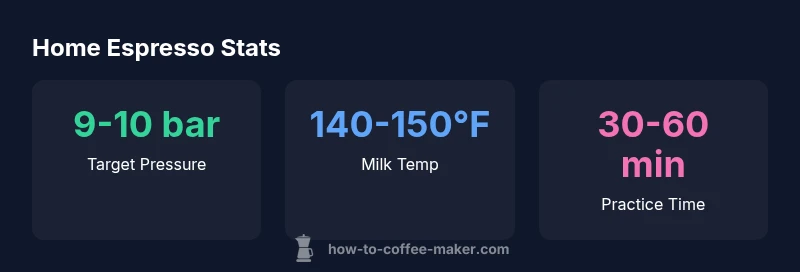
Authenticity in a Starbucks-style home setup hinges on a few core features. First, temperature stability matters more than sheer power: look for PID control, a solid boiler design, or dual boilers to minimize temperature drift between shots. Second, pressure consistency matters for crema; aim for a stable extraction around 9 bars. Third, the steam wand should deliver ample microfoam without scorching the milk—this enables latte art and better texture. A quality burr grinder paired with properly sized baskets improves extraction repeatability. Consider a 58mm portafilter and commercial-style group head for consistent puck resistance. Water quality cannot be ignored; soft or filtered water reduces scale buildup and improves flavor. Finally, factor in footprint and noise; some compact machines fit kitchens well and still offer strong performance. Remember: while pro gear exists, the priority is achieving reproducible results with reliable hardware and disciplined technique.
Workflow: from grinding to milk texturing
A cafe-like workflow starts with precise grind control and dosing. Begin with a consistent grind size and weigh the dose to target a stable shot. Distribute and tamp evenly, aiming for firm, level contact without over-compactation. Pre-infusion helps saturate the puck gently, reducing channeling. Monitor shot timing; a typical espresso pull runs around 25-30 seconds and yields a balanced volume with good crema. While extracting, preheat cups and ensure the milk is properly frothed—steam should produce a glossy microfoam with small, uniform bubbles. Practice makes consistency: small adjustments to grind, dose, and tamping pressure yield noticeable improvements in crema, body, and aroma. If you drink beverages with milk, invest time in milk texturing technique, as this often makes the biggest difference between home and cafe-quality drinks.
Budgeting for a Starbucks-style setup: price bands and value
Budgeting for a Starbucks-style setup requires understanding price bands and what you get at each level. Entry-level machines often fall in a broad range that emphasizes solid basic performance and reliable steam, while mid-range models add better temperature stability, faster recovery, and improved build quality. Higher-end options may offer dual boilers, advanced temperature control, and larger steam capacities for higher throughput. In this market, expect ranges rather than fixed prices and favor machines with robust warranties and easy maintenance. Prioritize a good grinder and water filtration alongside the machine, since these components substantially influence overall results. By planning for a cohesive system—the machine, grinder, and descaling/cleaning regime—you maximize coffee quality while staying within your budget.
Maintenance and care: descaling and cleaning
Maintenance is essential to keep a Starbucks-style home espresso machine performing at a cafe level. Rinse the group head and portafilter after every use to prevent oil buildup. Backflush a compatible machine weekly if it supports it, using a recommended cleaning solution. Descale regularly based on water hardness; soft water may require less frequent descaling, while hard water demands more frequent attention. Use a calibrated descaling product and follow the manufacturer’s instructions for contact time and rinse cycles. Don’t neglect the steam wand—purge and wipe after each use to prevent milk residue from drying inside the nozzle. Periodically inspect gaskets and seals for wear, and schedule professional service if you notice persistent leaks or pressure drops.
Common mistakes and how to avoid them
Common mistakes include chasing the latest hardware without mastering technique, neglecting grinder quality, and inconsistent tamping. To avoid these, start with a stable workflow: calibrate grind and dose first, then train on tamping and distribution. Don’t skip pre-infusion, as it helps even saturation of the coffee puck. Use preheated cups and keep water temperature within a narrow range; even a small drift can affect flavor and crema. Finally, invest in descaling and cleaning routines; neglecting maintenance accelerates performance loss and can shorten the machine’s lifespan.
Real-world setup: starter plan for a weekend project
If you’re starting from scratch, follow a planned starter path. Step 1: define your drinks (espresso-based drinks with milk? americanos?). Step 2: pick a machine that offers adequate temperature stability and a strong steam wand within your budget. Step 3: acquire a reliable burr grinder and a basic water filtration solution. Step 4: practice dialing in grind size and dose with a consistent routine. Step 5: build a milk texturing routine with microfoam practice and latte art drills. Step 6: establish a simple routine for daily cleaning and monthly descaling. By approaching the project with clear goals and a structured plan, you’ll shorten the learning curve and enjoy cafe-like drinks sooner.
Home espresso machine types and typical milk frothing performance
| Model Type | Avg Brew Time | Milk Frothing Capability |
|---|---|---|
| Semi-automatic home | 25-40 seconds | Excellent with proper wand |
| Fully automatic | 20-30 seconds | Good with auto-frother |
| Manual lever | 30-60 seconds | Requires skill but can be excellent |
Questions & Answers
What defines a 'Starbucks-style' home espresso machine?
A Starbucks-style home espresso machine combines stable boiler temperature, good pressure control, and a capable steam wand to produce cafe-like shots and milk textures. Consistent technique is essential to translate hardware into quality drinks.
A Starbucks-style setup uses reliable temperature control and a strong steam wand, plus consistent technique to get cafe-like drinks at home.
Do I need a commercial-grade machine to imitate Starbucks drinks?
Not necessarily. Many solid home machines with PID temperature control and a capable steam wand can produce cafe-like drinks when paired with good grinding and technique.
You can get cafe-style results with a good home machine and solid technique.
What maintenance schedule is recommended for longevity?
Descale based on water hardness, typically every 1-3 months; clean the group head and wand daily. Regularly backflush if your machine supports it.
Descale regularly and clean daily to keep your machine performing well.
How important is grind consistency?
Grind size and dose directly impact crema and flavor; invest in a good burr grinder and adjust grind to pull accurate shots.
Grind consistency is crucial for repeatable shots.
Can I achieve latte art at home with these machines?
Yes, with a capable steam wand and practiced technique; start with microfoam milk and steady pouring.
Latte art is possible with practice and a good steam wand.
What budget range should I expect for a Starbucks-style home setup?
Budget varies; entry-level machines with solid steam and temperature control fit a mid-range bracket, with higher-end options for greater control and consistency.
Expect a broad range from mid-level to premium depending on features.
“When you invest in a Starbucks-style home espresso setup, consistent technique matters as much as hardware. A well-maintained machine and disciplined workflow deliver cafe-quality drinks.”
Key Takeaways
- Define your Starbucks-style goals and budget.
- Prioritize temperature stability and steam power.
- Master grind, dosing, and tamping for consistent espresso.
- Plan for regular descaling and cleaning.
- Compare features within your budget to maximize cafe-quality drinks.