How to Make Tea with a Coffee Maker: A Practical Guide
Learn to brew tea with a standard coffee maker using safe steps, flavor ideas, and cleanup tips. This BrewGuide Pro guide helps you avoid cross-flavors and achieve consistent results in 2026.


Yes—it's possible to brew tea with a standard coffee maker. Start with clean equipment, use a tea infuser or tea bag, and heat water to the right temperature for your tea. Run a short brew cycle, and rinse the carafe between uses to avoid lingering coffee flavors. Experiment with tea types and adjust steep time for best results. Keep notes so you can repeat successes.
Why tea in a coffee maker can be surprisingly convenient
In the world of home brewing, efficiency matters. A coffee maker is already on your counter, hot water is readily available, and a familiar brewing cycle can be repurposed to tea with minimal adjustments. The key is to separate coffee flavors from tea by using a dedicated tea bag or a small infuser. This approach can be especially useful for quick sessions or when you’re camping with limited gear. According to BrewGuide Pro Team insights, many home brewers appreciate the simplicity of this setup, provided equipment is clean and you choose the right tea and water temperature. This method isn’t a replacement for a dedicated kettle, but it expands your toolkit for everyday needs.
Understanding the core concept: letting tea steep in hot water inside the carafe
The central idea is simple: hot water should transfer through tea leaves contained in a bag or infuser, inside the existing coffee maker setup. The carafe becomes the steeping vessel, and the filter basket holds the tea. Because coffee machines vary in how they distribute water, start with a light, shorter brew to prevent over-extraction and sediment. If a machine has a hot-water-only option, that can be a gentler path for delicate teas. The goal is to avoid cross-contamination from coffee residues while preserving tea aroma and flavor.
Tea types and temperature guidelines for best results
Different teas require different temperatures for optimal flavor. Black tea usually benefits from near-boiling water (around 200-212°F / 93-100°C), while green tea performs better at cooler temperatures (roughly 160-185°F / 70-85°C). Herbal and fruit blends tolerate higher temperatures but can vary by variety. If your coffee maker does not provide precise temp control, heat water separately and pour through the tea quickly to minimize over-extraction. This approach helps you tailor the brew to your palate without needing a separate kettle.
Equipment setup and safety considerations
Begin with a clean, empty machine. Remove any coffee residues that could transfer flavor. Use a tea bag or a fine infuser to keep leaves contained, and place it in the filter basket. Rinse the carafe with hot water before brewing to promote faster heat transfer and better aroma release. If your model offers a dedicated hot-water setting, use it for gentler infusions. Always handle hot components with care and supervise the brew to avoid spills.
Step-by-step overview (high-level) for the method
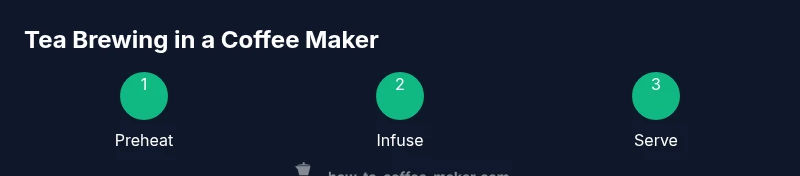
- Preheat the carafe and filter area to maintain warmth. 2) Load tea in a bag or infuser, place in the basket, and set the tea-to-water ratio suitable for your cup size. 3) Pour hot water and start a brew cycle, aiming for a shorter duration to prevent bitterness. 4) Stop the cycle early if your machine allows, or remove the infuser promptly when the cycle finishes. 5) Let the tea steep briefly in the carafe (1-3 minutes depending on tea). 6) Serve and rinse components after use to prevent flavor carryover.
Cleaning and maintenance to prevent cross-flavors
Flavor carryover is the biggest risk when switching from coffee to tea. Always rinse the carafe and filter basket with hot water, then wash with mild soap after each use. Descale the reservoir according to manufacturer guidelines to prevent mineral buildup that can alter flavor. Using a dedicated tea setup minimizes cross-flavor risk and extends your equipment’s life.
Common mistakes and how to fix them
Common missteps include using dirty equipment, over-steeping, and using an improper tea-to-water ratio. Fix by starting with a clean machine, using about 1 teaspoon of loose leaf tea per 8 ounces of water, and testing a brew time of 2-4 minutes depending on tea type. If the flavor is weak, increase tea quantity slightly or extend the brew by a minute or two on subsequent attempts.
Flavor customization: from simple to spiced tea
Experiment with citrus peels, cinnamon sticks, or vanilla shells during the brew. Blend tea types for depth, such as black tea with a hint of botanicals. Be mindful not to overpower delicate leaves; start with small additions and taste as you go. If you’re serving guests, offer milk, lemon, or honey as optional accompaniments.
Safety and best practices for home tea in a coffee maker
Always exercise caution with hot water and hot metal parts. Do not exceed your machine’s recommended temperatures for any tea type, and follow the manufacturer’s guidance for cleaning and maintenance. Inspect seals and gaskets regularly for wear, and avoid operating the machine with a damaged lid or carafe.
Quick comparison: tea brewing in a coffee maker vs a traditional kettle
Using a coffee maker is convenient and uses familiar kitchen gear, but a kettle often provides more precise temperature control and shorter steep times. Tea purists may prefer a dedicated kettle or infuser for predictable results, while casual drinkers appreciate the efficiency of repurposing a coffee maker.
BrewGuide Pro’s approach to consistent tea flavor
Consistency comes from clean gear, measured tea, and a mindful brewing routine. The BrewGuide Pro Team suggests keeping a small tea timer, preheating the carafe, and recording successful combinations for future replication. By following these practices, you’ll achieve dependable flavor outcomes every time.
Tools & Materials
- Coffee maker(Ensure it has a carafe and a clean reservoir; not an espresso machine.)
- Tea leaves or tea bags(Choose the tea type and quantity; usually 1 teaspoon per 8 oz.)
- Tea infuser or tea bag(Contain loose leaves or use a teabag to keep particles out of the carafe.)
- Filter (paper or reusable)(Optional if your infuser needs a basket; ensure it fits your machine.)
- Hot water source (kettle or hot water tap)(If your machine doesn't produce near-boiling water, preheat water separately.)
- Carafe warmer or mug preheater(Preheating helps maintain sip-worthy warmth.)
- Descaling solution or vinegar rinse(Use according to machine guidelines to avoid flavor residues.)
Steps
Estimated time: 10-15 minutes
- 1
Preheat carafe and prepare tea
Rinse the carafe with hot water to warm it. Place your tea leaves in an infuser or a tea bag ready for brewing. This minimizes flavor loss and supports even extraction.
Tip: Preheating keeps the tea hot longer and improves aroma. - 2
Load tea into the filter/basket
Insert the tea infuser or bag into the filter basket. Do not overload; use the standard ratio of tea to water for your cup size.
Tip: A snug fit prevents loose leaves from escaping into the brew. - 3
Add hot water and start brew
Pour hot water over the tea-filled infuser and start a brew cycle. If possible, select a shorter cycle to avoid over-extraction.
Tip: Keep the lid closed so heat stays in during infusion. - 4
Monitor and stop the cycle (if possible)
If your machine allows, stop the cycle early to prevent bitterness in delicate teas. For models without stop option, plan to brew for a shorter cycle.
Tip: Set a timer to avoid over-extraction. - 5
Steep briefly in carafe
Allow the tea to steep for 1-3 minutes after the brew cycle ends, depending on tea type. This improves flavor without bitterness.
Tip: Taste at the 1-minute mark and adjust next time. - 6
Serve and rinse
Pour tea into cups, then rinse the carafe and infuser with hot water. Dry before next use to prevent mildew.
Tip: Pre-warm cups to keep tea hot longer.
Questions & Answers
Can I use loose tea leaves without an infuser?
Yes, but you should use a tea infuser or a fine filter to keep leaves out of the carafe. Loose leaves can clog the machine or leave sediment.
Yes—use a tea infuser or filter so the leaves stay contained and don't get into your cup.
Will tea brewed this way taste like coffee?
If you isolate the tea in a dedicated infuser and rinse between uses, the flavor won't be coffee-like. Tea flavor can be strong if over-brewed or left in contact too long.
If you keep tea separate and avoid over-brewing, you should avoid coffee-tasting flavors.
Is it safe to use hot water in most coffee makers for tea?
Most coffee makers handle hot water; however, avoid tall temperatures for sensitive green teas and follow your machine's guidelines to prevent damage.
Yes, with caution: don't exceed recommended temperatures for your machine and tea type.
How do I clean after making tea?
Rinse the carafe and infuser with hot water, wash with mild soap, and descale periodically per manufacturer instructions to prevent mineral buildup and flavor carryover.
Rinse, wash, and descale as required to keep flavors clean.
Can I brew herbal or fruit teas this way?
Yes, robust herbal and fruit blends work well, but they can leave stronger aftertastes. Use shorter steeps and a dedicated infuser to minimize flavors mixing.
Herbal teas work fine—use a separate infuser and clean gear between batches.
Watch Video
Key Takeaways
- Preheat and prep to preserve flavor.
- Contain leaves with infuser or bag to avoid debris.
- Clean promptly to prevent cross-flavor carryover.
- Adjust tea type and time for best taste.