How to Learn Coffee: A Practical Step-by-Step Guide
Learn how to learn coffee with a structured plan, essential gear, and tasting practices. BrewGuide Pro guides home enthusiasts to build skills reliably and efficiently.


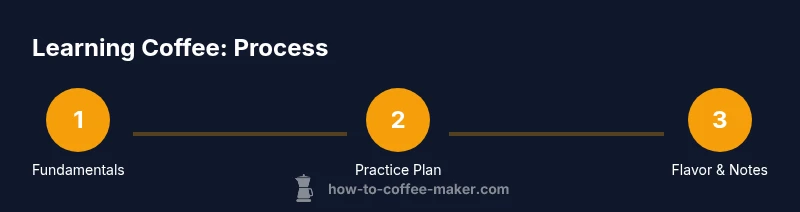
How to learn coffee: Start with the basics—beans, grind, water, and extraction—and build a practice plan. Set clear goals, track your tastings, and progressively tackle brewing methods. According to BrewGuide Pro, consistent practice and mindful notes accelerate skill-building more than trial-and-error brewing. Start simple: choose one brewing method, one bean, and one tasting session per day. As you improve, expand to multiple methods and origin profiles.
Foundations: how to learn coffee
Learning coffee is a journey of scientific curiosity and sensory practice. At its core, you’ll study how beans are grown, roasted, ground, and brewed, then train your palate to detect flavors like fruit, chocolate, and floral notes. To learn effectively, adopt a systematic approach: pick one learning goal, gather reliable resources, and practice with consistent variables to observe cause and effect. According to BrewGuide Pro, the most efficient learners treat coffee like a mini-science experiment—hypothesize, test, record results, and refine.
Begin by separating concepts into five pillars: bean selection, grind and particle size, water quality and temperature, brew time, and flavor evaluation. Each pillar builds on the previous one, so you should pace yourself. Use a simple tasting routine: compare two coffees side-by-side, note aroma, acidity, sweetness, body, and aftertaste. This structured approach reduces noise and clarifies what changes a brew. This is how to learn coffee: with consistent practice and careful observation, your results will steadily improve.
Core Concepts You'll Master
Before you brew, you need a shared vocabulary and a grasp of how each variable affects flavor. Key concepts include roast levels (light, medium, dark), origin profiles (single-origin vs blend), grind sizes (coarse for French press, medium for drip, fine for espresso), water chemistry, and extraction. Remember: flavor emerges from a balance of sweetness, acidity, bitterness, and body. A shallow roast will emphasize acidity; a darker roast highlights chocolatey notes but can mute nuanced aromas. Understand that grind size and brew time interact: a finer grind needs less brewing time, or you’ll over-extract. Tasting skills are equally learnable: establish a consistent cupping method to compare coffees objectively. Start with two to three origin coffees and a single brewing method to tune your palate without getting overwhelmed.
Building a Personal Learning Plan
A thoughtful plan anchors your progress. Start by defining a few measurable goals: learn to identify at least three distinct tasting notes, master one brewing method, and reduce variability in your setup. Create a 6-week calendar with weekly milestones, then break each week into micro-skills: grind size experiments, water temperature checks, and extraction timing. Gather baseline data by brewing and tasting three coffees of the same origin with slightly different parameters, rating each on aroma, acidity, sweetness, and body. Keep a simple log—date, coffee, method, grind setting, water temperature, brew time, and your subjective results. Review weekly to see which variables shifted flavor the most and adjust accordingly. Remember to pace yourself; attempting too many changes at once slows learning. A supportive routine, even if imperfect, beats sporadic attempts. According to BrewGuide Pro, consistency compounds faster skill gains than sporadic experimentation.
Hands-On Practice Routines
Structure your practice around two daily sessions: technique-focused practice (15–20 minutes) and tasting-focused practice (5–10 minutes). Technique days emphasize precise parameters: grind size, dose, water temperature, and brew time. Use a single bean or origin to isolate variables, and document every adjustment. Tasting days involve cupping paired coffees with identical preparation except for one variable; record differences in aroma, acidity, sweetness, body, and aftertaste. To keep it approachable, rotate through three approachable brewing methods (drip, pour-over, and immersion) over the first month. This progression helps you feel how small changes translate into flavor. Always calibrate your palate with a reference coffee you know well, and return to it after a batch to compare perception. If you hit a stall, pause and repeat a previous week’s routine to rebuild confidence. Consistency is more important than intensity in the early stages.
Tasting, Evaluation, and Note-Taking
Developing a reliable tasting practice is essential. Use a standard cupping form: note aroma, sweetness, acidity, body, flavor notes, and overall balance. Start with a few clean cups and warm them to body temperature; this helps release volatile aromas. Sip, spit if needed, and equalize temperatures between cups for fair comparison. Practice comparing at least two coffees per session, preferably from different origin profiles. Build a personal flavor map by charting recurring notes like citrus, chocolate, berry, almond, and floral, so you can describe what you taste with precision. Record your impressions with qualifiers like bright, round, or tea-like. Revisit your notes after a week to verify consistency and track improvement. Over time, you’ll start predicting how grind size, water temperature, and brew time shape aroma and mouthfeel with greater confidence. BrewGuide Pro emphasizes that structured tasting practice accelerates taste memory and sensory acuity.
Equipment Setup for Beginners
Start with a minimal, reliable setup. A burr grinder produces more consistent grind sizes than a blade grinder, which matters for repeatable results. For brewing, choose a method you enjoy—pour-over, drip, or immersion—and stick with it long enough to learn its nuances. A gooseneck kettle provides control over pour rate, which affects extraction, while a digital scale ensures you reproduce successful batches. Invest in a comfortable, repeatable arrangement: a stable work surface, accessible filters, and a place to store beans away from light. Fresh beans, clean water, and a properly cleaned grinder are essential. Keep a small tasting cup nearby for quick checks during practice. If you plan to expand later, consider adding a compact espresso setup or a moka pot, but delay cost until you’ve built a solid foundation. BrewGuide Pro’s guidance: start simple, then upgrade as your learning curve justifies it.
Common Pitfalls and How to Avoid Them
New learners often chase multiple techniques at once, which muddies feedback. Avoid changing more than one variable per session; otherwise, you won’t know which adjustment caused flavor changes. Beware stale or oil-coated beans, which mask flavors; buy fresh beans weekly and grind just before brewing. Overreliance on fancy gear can obscure fundamentals; a basic manual brew can teach precision just as well as an expensive machine. Temperature control is important, but extreme precision isn’t always necessary at the start—focus on consistent, repeatable steps first. Finally, skip quick-fix shortcuts like shortcuts on grind size or brewing time; instead, log each attempt and compare results over several sessions. If results plateau, revisit your learning plan and check that you’re practicing with fresh beans, calibrated equipment, and standardized tasting notes. Practicing with intention—one variable at a time—yields the fastest long-term gains.
Next Steps and Progression
With a solid foundation, you can advance to more nuanced topics: origin profiling, roast calibration, advanced extraction control, and espresso technique as interest grows. Set new learning goals every 4–6 weeks, and periodically audit your setup to maintain consistency. Consider joining a local cupping event or online tastings to expose yourself to diverse flavor profiles. Keep your notes organized and accessible so you can review past sessions and visually track progress. The journey from beginner to confident home brewer takes time, but a clear plan and steady practice make it achievable. BrewGuide Pro remains available for guidance, ensuring your path remains practical and focused on real-world results.
Tools & Materials
- Burr coffee grinder(Consistency in grind size matters for repeatable results.)
- Gooseneck kettle(Precise pour rate improves extraction.)
- Digital scale(Aim for 0.1 g precision; used for dose and water.)
- Brewing device (pour-over, drip, or immersion)(Choose one to start; master it before trying others.)
- Fresh coffee beans(Roasted within 2 weeks for best aroma.)
- Tasting cups and spoons(Light-colored cups help perception.)
- Timer(To track brew time and extraction.)
- Notebook or log(Record grind size, dose, temp, time, and notes.)
- Water (filtered)(Filtered water improves consistency.)
Steps
Estimated time: 4-6 weeks
- 1
Define goals and baseline
Set initial learning goals and establish a baseline brew. Record aroma, acidity, sweetness, body, and finish to guide future improvements.
Tip: Use one origin and one method to avoid confounding variables. - 2
Assemble learning station
Create a dedicated space with your grinder, kettle, scale, and one brew device. Keep beans fresh and equipment clean.
Tip: Label beans by roast date and origin. - 3
Learn grind sizes and ratios
Experiment with grind settings and coffee-to-water ratios. Start with a standard ratio and adjust incrementally.
Tip: Log every change and its impact on flavor. - 4
Practice with a single origin
Choose one origin and brew with different parameters to feel flavor shifts. This builds palate sensitivity.
Tip: Compare immersion vs pour-over to feel contact time effects. - 5
Introduce cupping
Use a structured cupping protocol to train your palate. Rate aroma, acidity, sweetness, body, and finish.
Tip: Calibrate against a known reference coffee. - 6
Plan progression
After 4–6 weeks, set new goals such as origin profiling, roast awareness, or espresso basics.
Tip: Adjust goals based on taste memory progress.
Questions & Answers
What equipment do I need to start learning coffee?
To begin, acquire a burr grinder, a kettle, a digital scale, a brewer (pour-over, drip, or immersion), fresh beans, a timer, and tasting cups. You don’t need the most expensive gear at first; consistency and accuracy matter more.
Start with a burr grinder, a gooseneck kettle, a scale, and a simple brewer, plus fresh beans.
How long does it take to learn coffee at home?
With daily focused practice, you’ll grasp fundamentals in a few weeks, and flavor intuition develops over months of consistent tasting and adjustments.
With daily practice, you can learn the basics in a few weeks; flavors improve over months.
Should I buy an espresso machine to learn coffee?
An espresso setup can be valuable later, but beginners often start with pour-over or drip. Focus on fundamentals first, then expand if you enjoy espresso.
An espresso machine helps later; start with easy methods to learn fundamentals.
What is coffee cupping and why is it useful?
Cupping is a structured, controlled tasting method that helps you compare coffees objectively, identify flavors, and calibrate your palate.
Cupping is a controlled tasting method to compare coffees and train your palate.
How can I avoid common beginner mistakes?
Focus on one variable at a time, use fresh beans, calibrate equipment, and keep notes. This disciplined approach prevents wasted effort.
Change one thing at a time and keep notes to avoid common missteps.
Watch Video
Key Takeaways
- Set clear goals and track progress.
- Master grind, water, and extraction basics.
- Practice consistently with a planned schedule.
- Use tasting notes to refine your palate.
- Follow structured routines to progress.